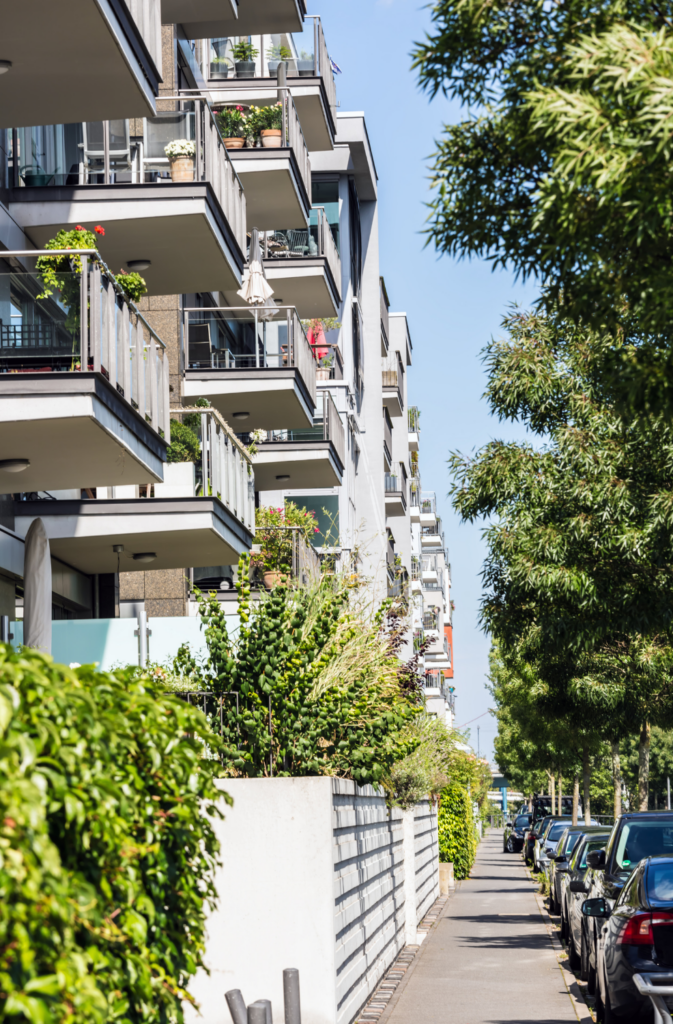
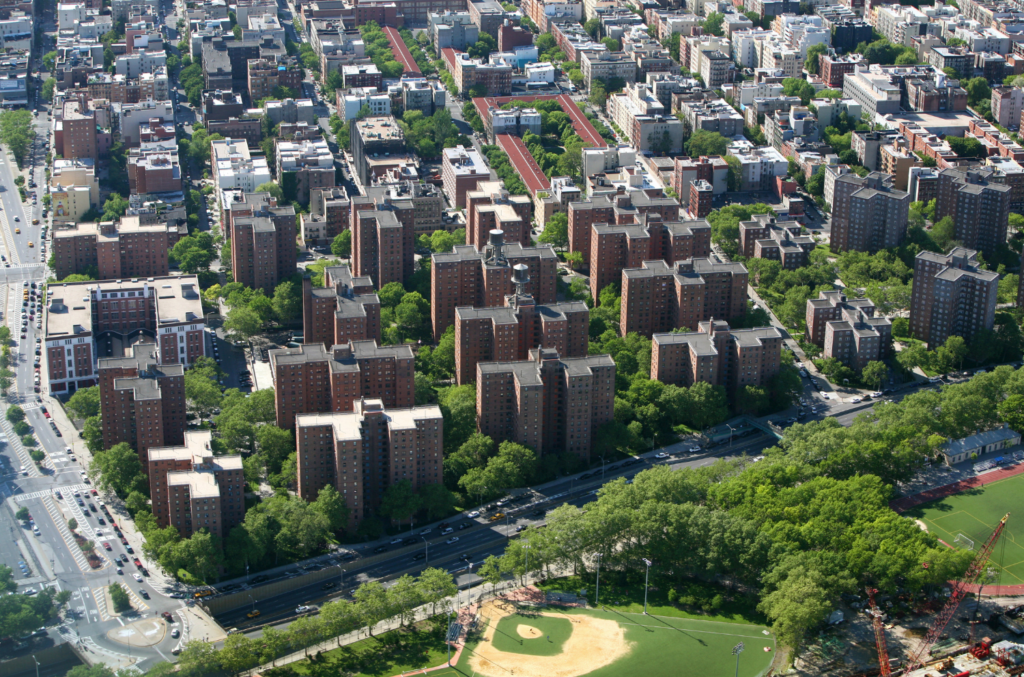
Delivering adequate housing depends on how we plan and manage our cities: recognizing the social, economic and ecological functions of land, and ensuring homes sit within well-serviced, liveable neighborhoods. Adequate housing should be environmentally sustainable, climate resilient and culturally appropriate.
Dwellings may be structurally sound and legally secure, and still fail the people living in them. A home that floods every rainy season because the wetland upstream was filled in is not adequate housing. A home that becomes dangerously hot each summer because the neighbourhood has no tree canopy and no permeable ground is not adequate housing. A settlement cut off from clean water because the catchment that supplies it has been degraded is not adequate housing.
Nature should not be seen as additional or decorative to the hard infrastructure. It is infrastructure, and in many cases the cheapest, most durable infrastructure a city can invest in.
The scale of the housing backlog around the world has created pressure to release land quickly and build at the urban edge, where land is cheapest. That pressure, unmanaged, produces sprawl into many of the ecosystems that regulate water, temperature and disaster risk for the wider city.
The solutions require compact, well-located, well-serviced neighborhoods where ecological infrastructure is mapped and protected. Ideally this approach would be designed in from the start, but it could also be applied to informal settlement upgrading; because often, restoring the stream a settlement sits beside, creating safe usable public open space, and reducing flood exposure can improve lives far beyond the structures themselves.