Connecting citizens to nature: The strategy behind Yokohama’s waterside campaign

What is Yokohama Waterside Oshi-katsu?

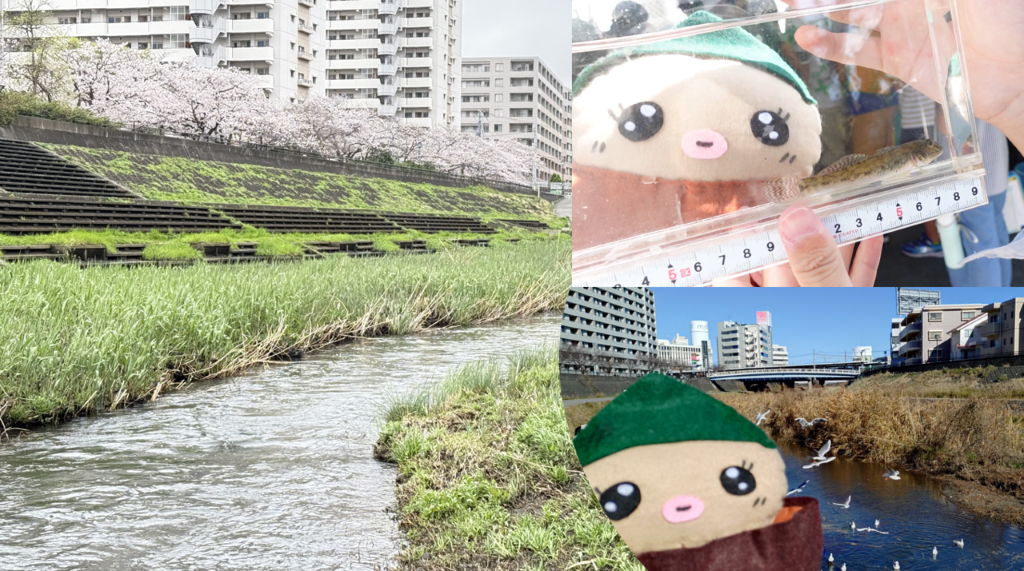
“Oshi-katsu,” which refers to the act of supporting one’s favorite people or characters such as idols, artists, or anime characters, has become a powerful cultural trend in Japan. The City of Yokohama is utilizing this concept to promote its waterside areas under the campaign “Yokohama Waterside Oshi-katsu”, which offers a variety of content, including the citizen-led survey “Yokohama Waterside Report,” as well as blogs and social media posts by “Donburako”, the mascot character. These fun-oriented activities incorporate a casual and playful approach, aiming to encourage citizens to visit local watersides, discover their charm, and ultimately foster active engagement with the local water environment.
The Yokohama Waterside Report

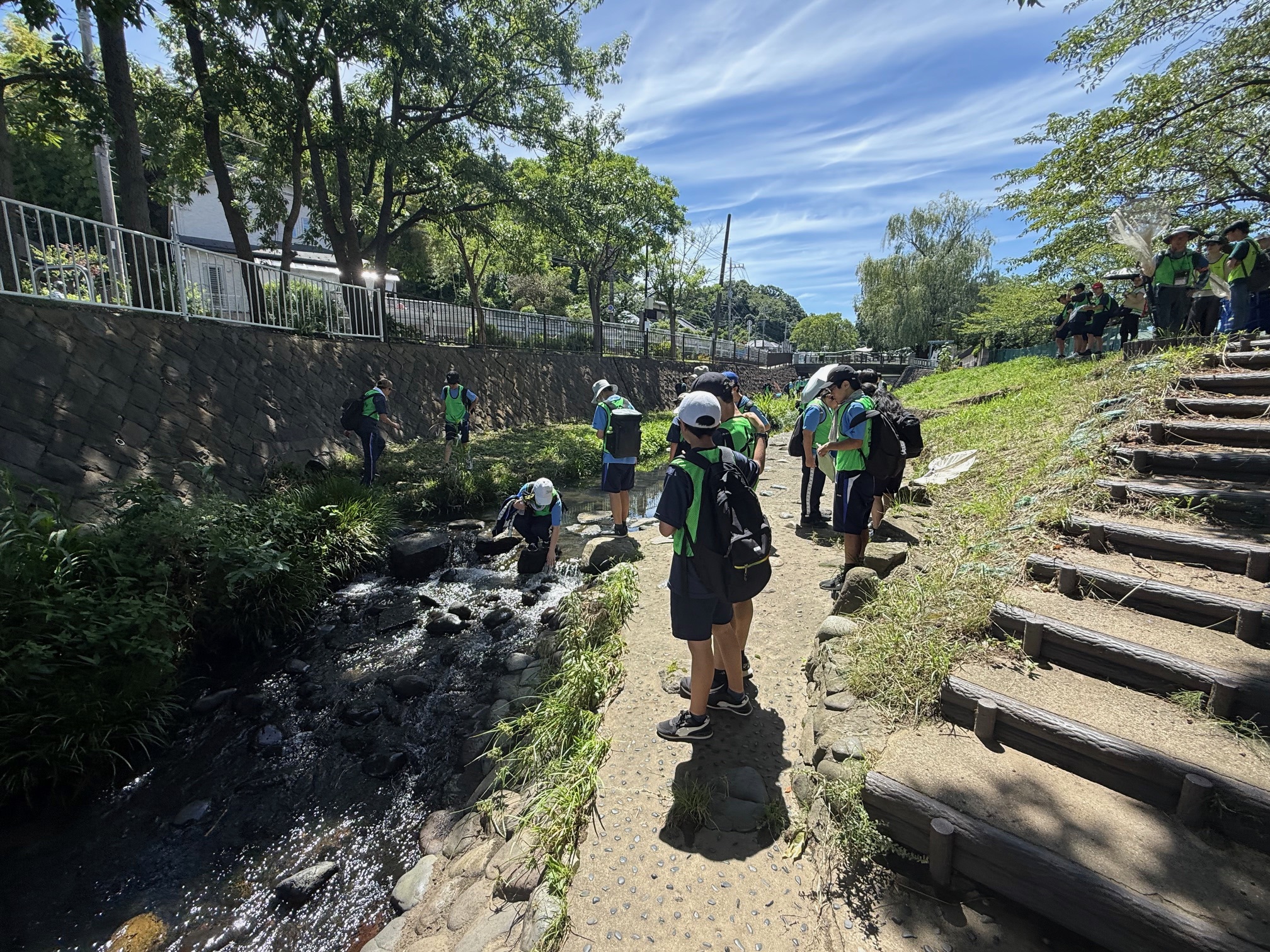
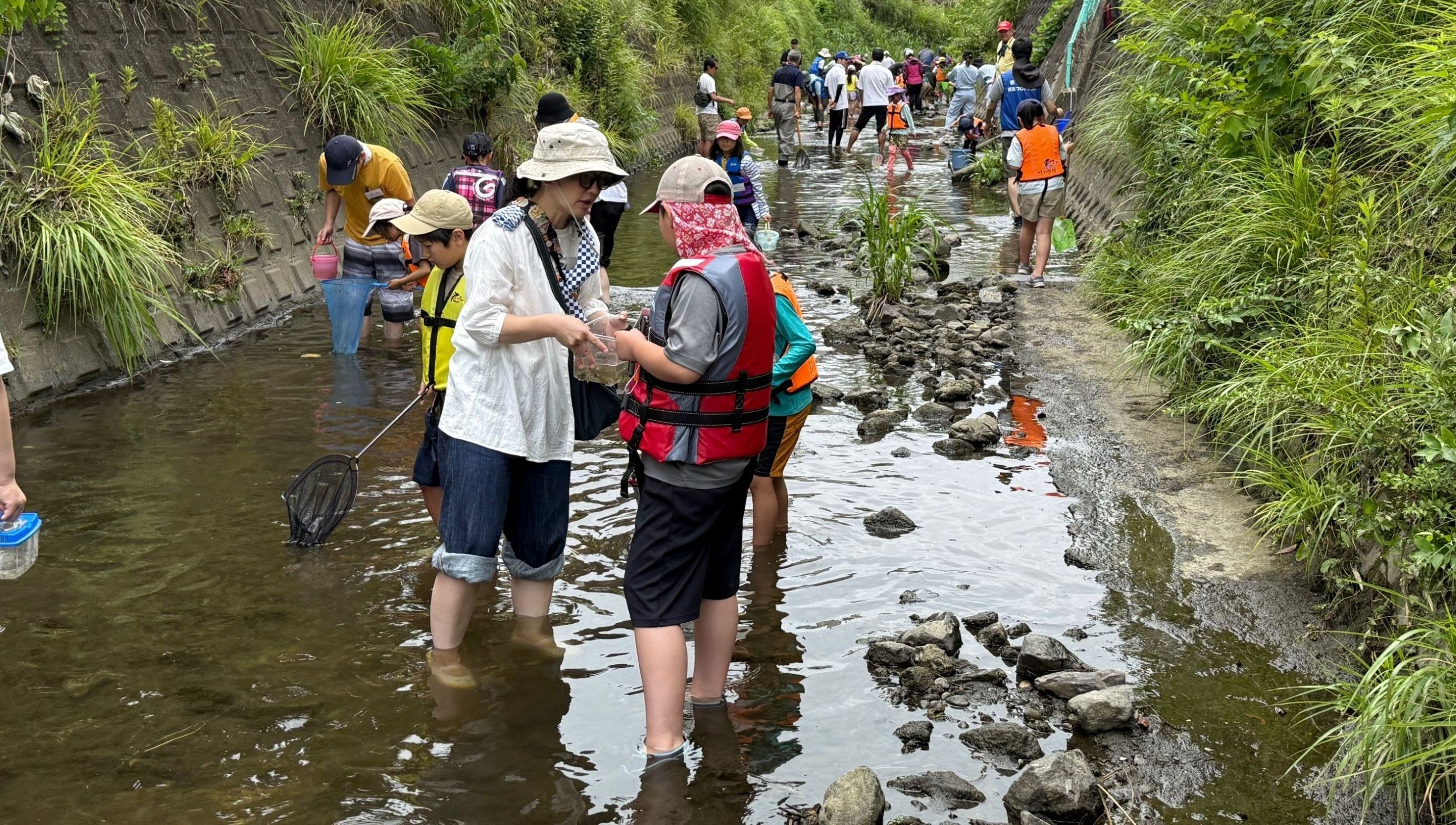
The Yokohama Waterside Report, the core content of the Yokohama Waterside Oshi-katsu, is a citizen‑led survey that assesses watersides using the Water Environment Soundness Index. The Index evaluates watersides across five indexes: natural state, richness in plants and animals, water clarity, pleasant waterside environment, and regional water culture. By assessing waterside areas based on these five indexes, participants can observe them from multiple perspectives. By gaining a deeper understanding of the unique characteristics of each waterside, the hope is that people will discover their own “oshi” (favorites). Anyone can participate in the Yokohama Waterside Report. Forms and manuals are available on the website and it is also possible to participate through the app. The city compiles the submitted reports and publishes them annually.

Voices of participants

Participants expressed surprise at the clarity of the water and the abundance of aquatic life, with some showing interest in joining future waterside conservation activities. These responses suggest that many citizens are not fully aware of the actual conditions of watersides in their local areas, and that providing opportunities to raise awareness can serve as a motivator for participation in waterside conservation activities.

Meet Donburako, the campaign mascot

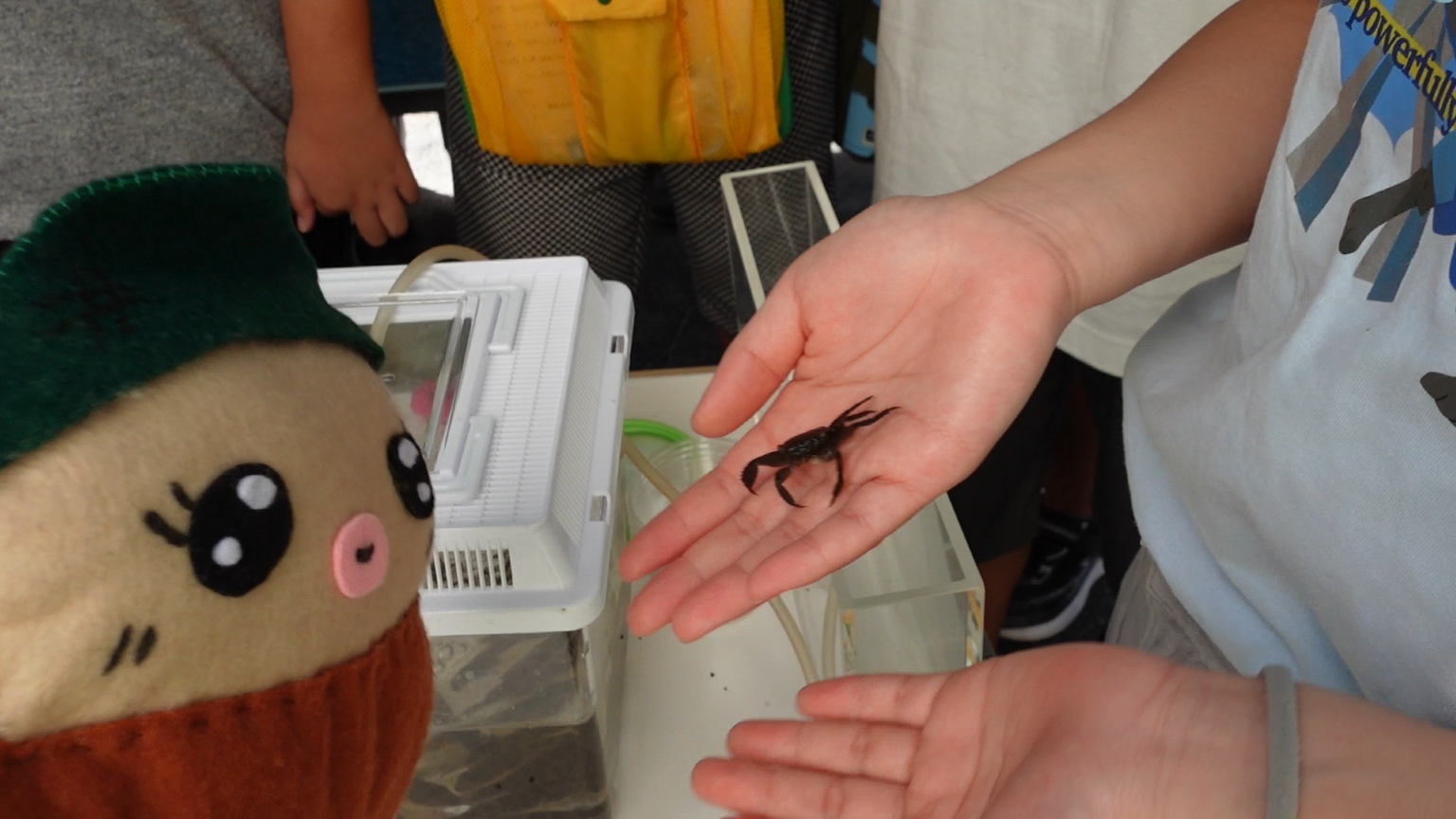
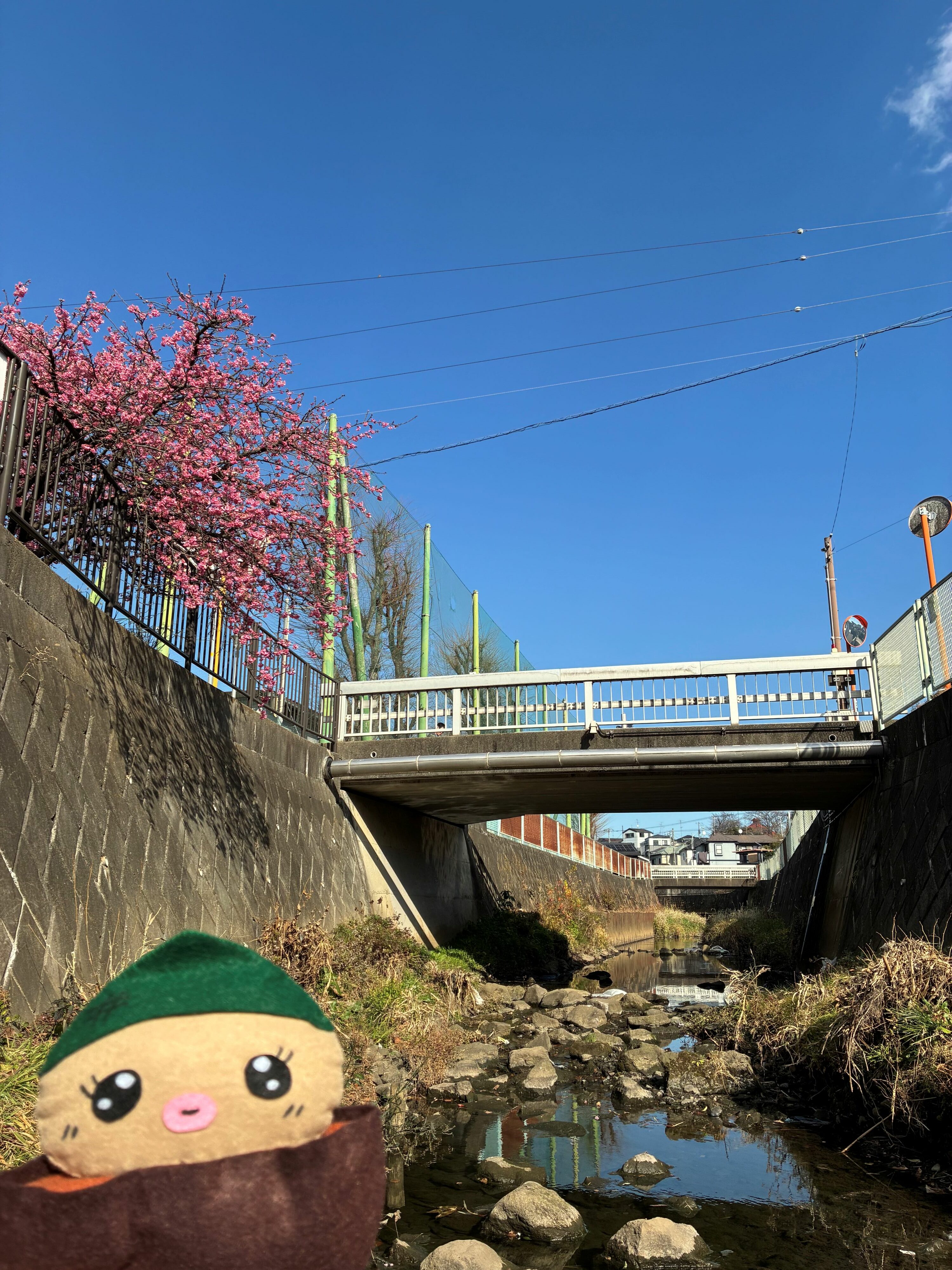
The initiative features an original character, “Donburako,” a mysterious, lovable creature travelling along rivers and coastal waters in a bowl-shaped boat. The word “donburako” is an onomatopoeic expression describing something gently floating down a river in a Japanese folktale. Combined with its adorable appearance, the name evokes a sense of familiarity. In recent years, the use of characters has become a popular trend to create emotional connections and make ideas more approachable. Donburako adds a friendly and playful touch to the campaign through its blog and social media posts, attracting people’s interest.

Background of the initiative

Yokohama achieved significant improvements in water quality after the severe pollution period of the 1950s to 1970s, and today it is home to beautiful watersides. However, surveys have revealed that citizens’ satisfaction with the water environment is not very high, indicating that approaches focused mainly on water quality are no longer sufficient. At the same time, Japan’s Basic Environment Plan identifies well-being as a top objective. Considering these circumstances, the goal for the city is to enhance citizens’ satisfaction with waterside areas and related well-being through the current water environment policy. To this end, the city decided to implement an initiative to help citizens recognize the attractiveness of waterside areas.

Meanwhile, Yokohama has many citizen groups working on the conservation and restoration of waterside environments, and their activities have produced tangible results, such as the return of fireflies and dragonflies to local watersides. The city examined why these groups are engaged in such efforts and concluded that their motivation comes from a deep connection and care for their local watersides.

Yokohama believe that in order to encourage more people to have such a connection with waterside areas, the city should prioritize collaboration with community groups already familiar with these areas and with local schools that are actively engaged in ESD. In addition, to reach audiences who are not currently interested, the city planned to use “enjoyment” as a gateway to spark their interest in waterside activities.

Through these initiatives, Yokohama aims to help citizen groups and students discover diverse attractions and characteristics of waterside environments that they may not have noticed before, further deepening their appreciation. At the same time, for citizens who lack interest in watersides, the city devised ways to spark curiosity by connecting the ideas of “fun” and “liking” to oshi-katsu, a form of Japanese culture centered on supporting one’s favorite interests.

How does this initiative work?

The governance of this initiative is structured as a networked system led by the City of Yokohama, which provides overall coordination. Any citizen can participate in the Yokohama Waterside Oshi‑katsu, which is centered on the Yokohama Waterside Report, and surveys may also be conducted jointly by the city, citizen groups, and schools.

Regarding how responsibilities are shared, citizens conduct the surveys, while the city is responsible for compiling and publishing the results. When surveys are conducted collaboratively with schools or citizen groups, responsibilities are usually shared as follows: schools handle classroom activities and student supervision; citizen groups provide interpretive guidance on the history and characteristics of the local waterside; and the city is responsible for explaining the survey procedures.

Additionally, to broaden the reach of the Yokohama Waterside Oshi‑katsu, the city participates in various events. In these cases, the event organizers are responsible for overall management, while the city takes charge of operating booths and related activities. Collaboration generally starts with the city reaching out to stakeholders and remaining open to their proposals.

The value and impact of the initiative

By creating opportunities for people to discover the charm of watersides, the initiative fosters a deep connection and care for watersides, leading to citizens’ proactive involvement in environmental conservation. The project thus contributes to sustainable urban development and improved well-being.

Credit: This article and the images included were shared by the City of Yokohama and ICLEI Japan.