Head of Government
 Kizo Hisamoto
Mayor of Kobe of City of Kobe
Kizo Hisamoto
The loss of biodiversity is truly a global challenge, and we all need to protect our native species and ecosystems to stem the tide of this alarming change. The City of Kobe, on its part, is committed to finding answers to these challenges on our local level, so that we can contribute to solving these problems on the global scale.
GALLERY
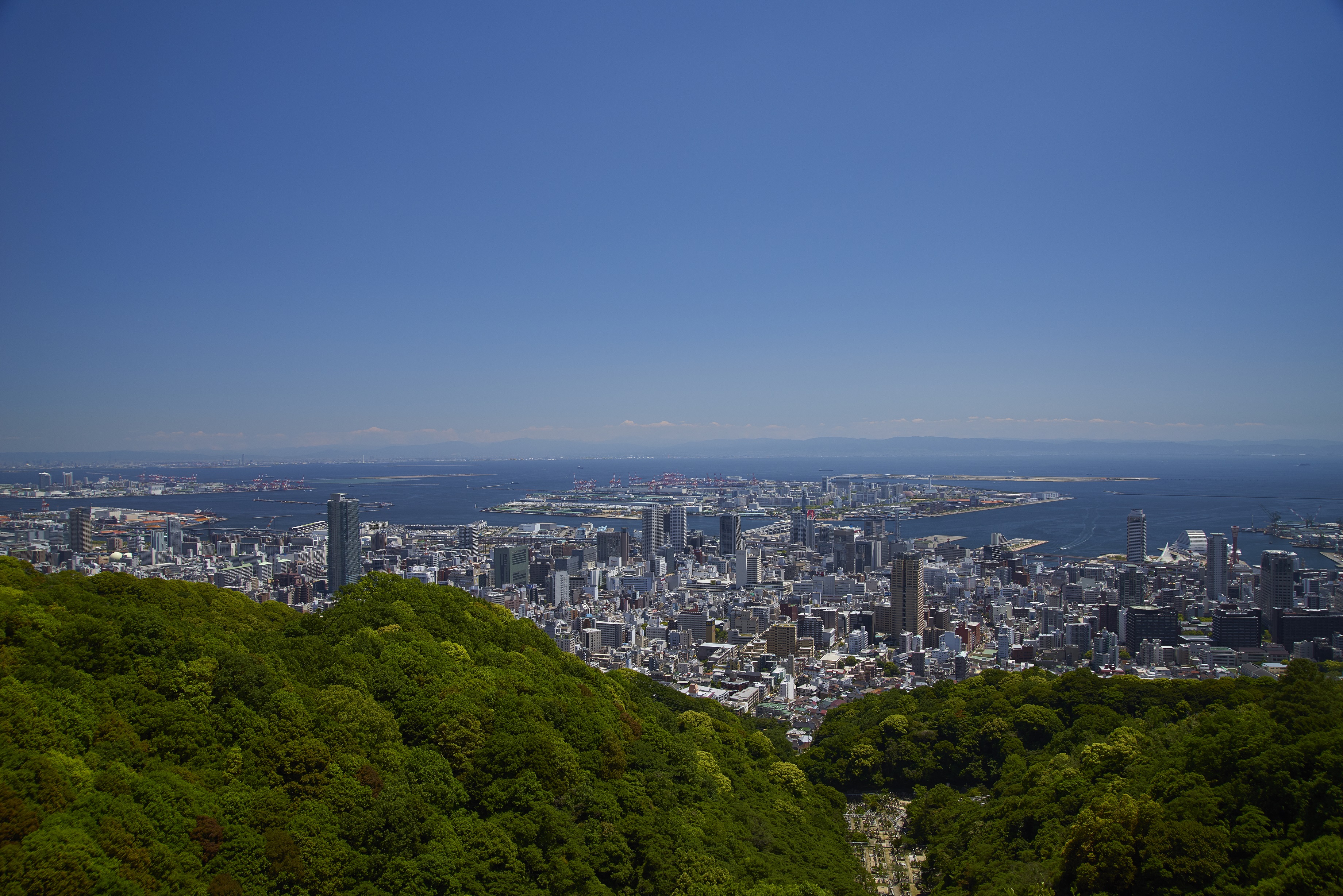
This mountain range stretches for approximately 30 kilometers from east to west right next to the urban areas between Osaka and Kobe. It is home to diverse vegetation, such as beech forests, and offers plentiful opportunities for hiking, nature exploration, and birdwatching.
.jpg)
These landscapes consist of a mosaic of diverse environments and support a large number of endangered flora and fauna. Parts of these areas have been recognized by the United Nations as sites of outstanding biodiversity, and host various pilot projects to enhance biodiversity in collaboration with a wide range of stakeholders, including citizen groups, private companies, universities, NPOs, and government agencies. The projects themselves deal with biodiversity monitoring, restoration of abandoned farmland, and environmental education.
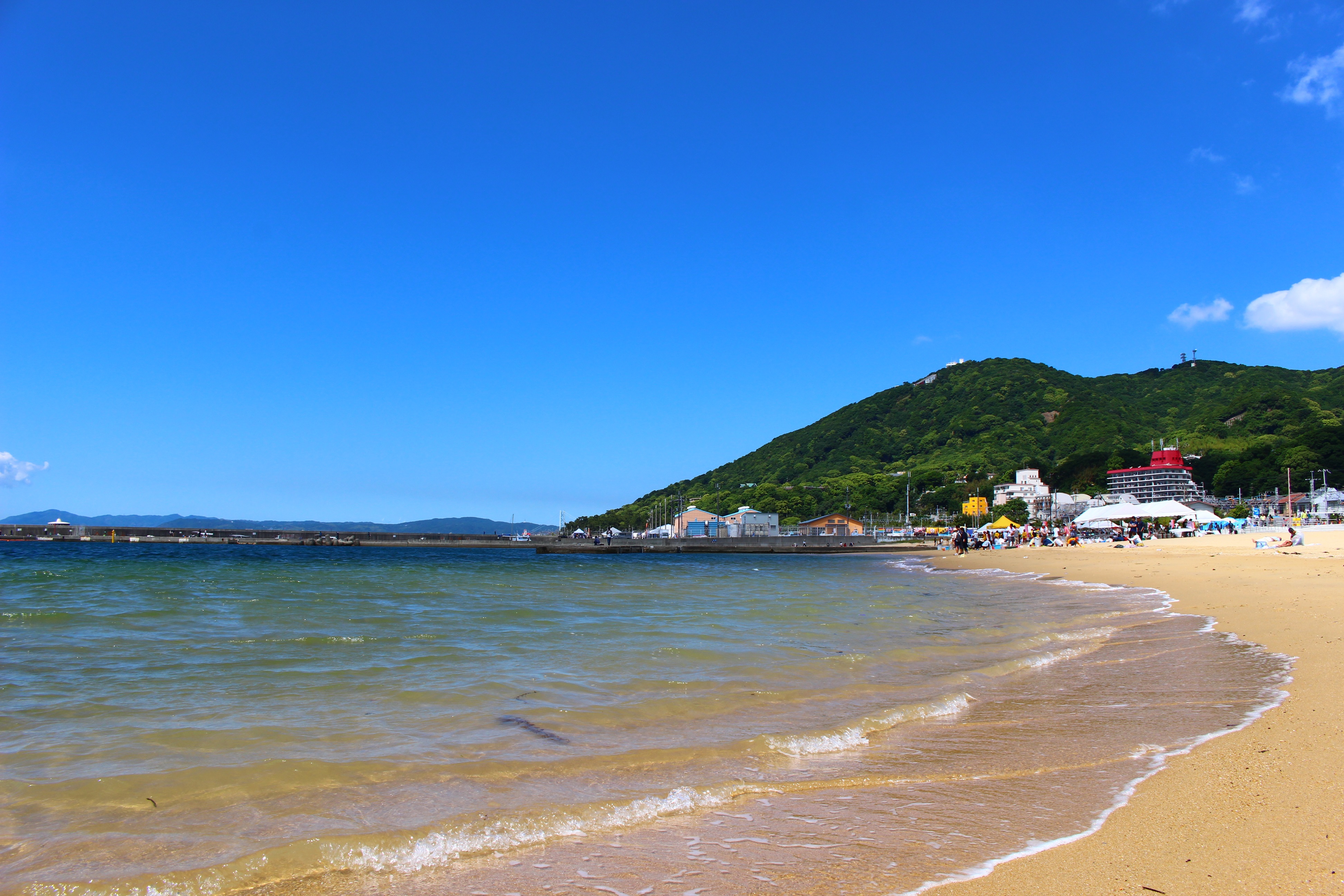
There are many rich ecosystems along our coastline that are maintained through appropriate human management and use. These coastal environments are home to many seagrass meadows and seaweed forests, known as cradles of the sea for providing habitats for small fish, crustaceans, and other marine life. Carbon absorbed by seaweeds and seagrasses through photosynthesis and subsequently stored in the seabed or deep layers of the ocean is known as blue carbon, which is attracting increasing attention as a measure against global warming.
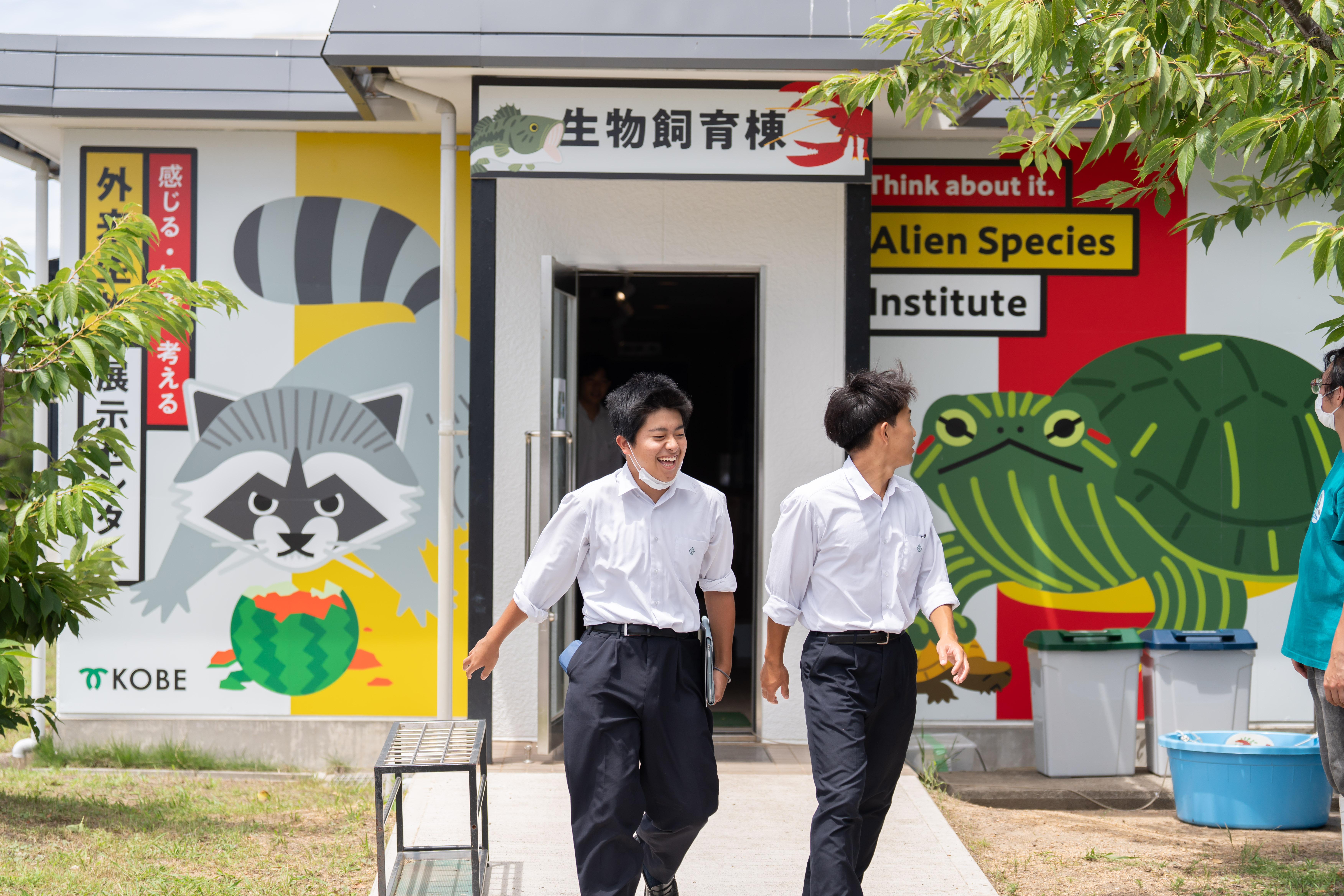
The center is used as a place, where people can see and touch live and stuffed specimens, listen to explanations by specialists, learn about the problem by looking at panels and videos, and think about how invasive species introduced by humans threaten biodiversity, and why we need to solve this problem.
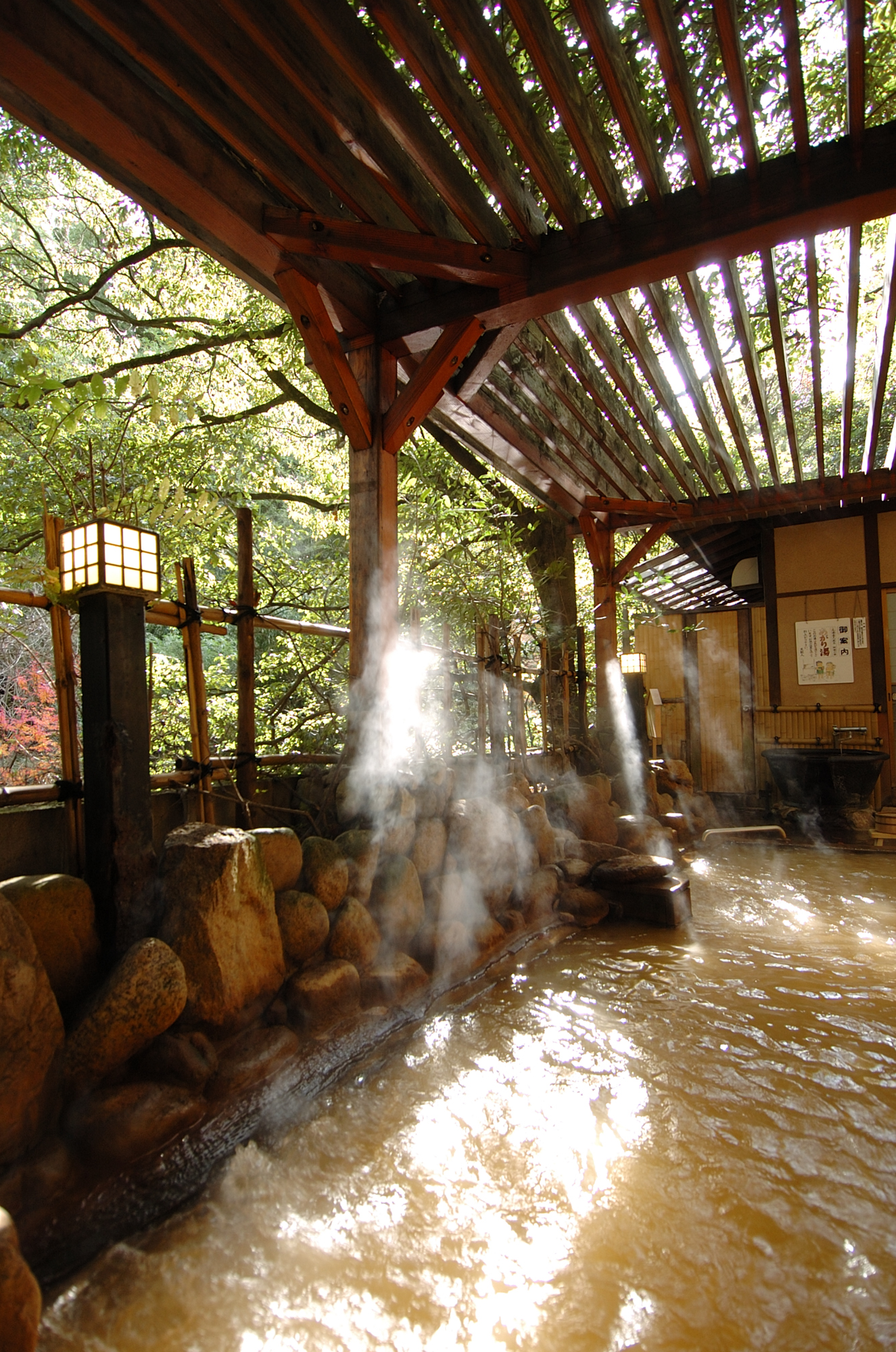
With a history spanning over 1,400 years, Arima Hot Springs are renowned as one of Japan’s three oldest and most famous hot springs. They are also known as the Golden Spring for the hot brownish water, and people were visiting them for therapeutic bathing for centuries. The spring source where the Golden Spring bubbles to the surface is a popular sightseeing spot, too. Steam billows up from the nearly 100℃ water, creating an atmosphere that perfectly captures the charm of a traditional hot‑spring town.

Benefiting from the natural gifts of the Rokko Mountains, which include high‑quality Yamada Nishiki rice, mineral‑rich water, and cold winter winds blowing down from the mountains, the sake‑brewing industry has always flourished in this region. In FY2020, Kobe and four nearby cities submitted a joint cultural heritage designation petition, which led to the recognition of Itami and Nada Gogo sake producing regions as official heritage sites.