Head of Government
 Kai Wegner
Mr of Berlin
Kai Wegner
GALLERY
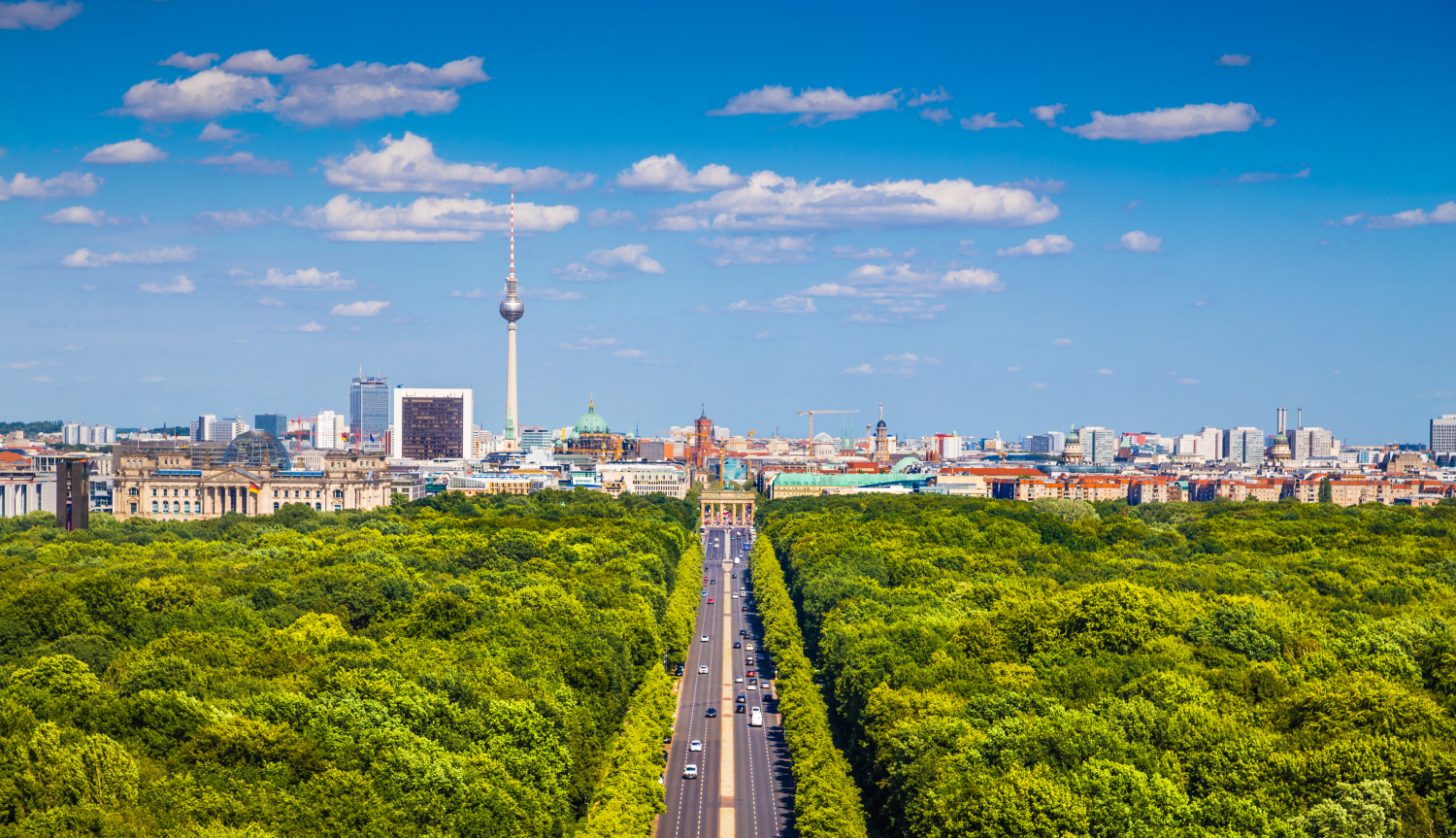
Berlin’s Tiergarten is a large central park that combines landscaped gardens, forests, and meadows in the heart of the city. It provides habitats for diverse plants and wildlife while offering residents and visitors a green oasis for recreation, relaxation, and nature experiences. (© Photo: SenMVKU)
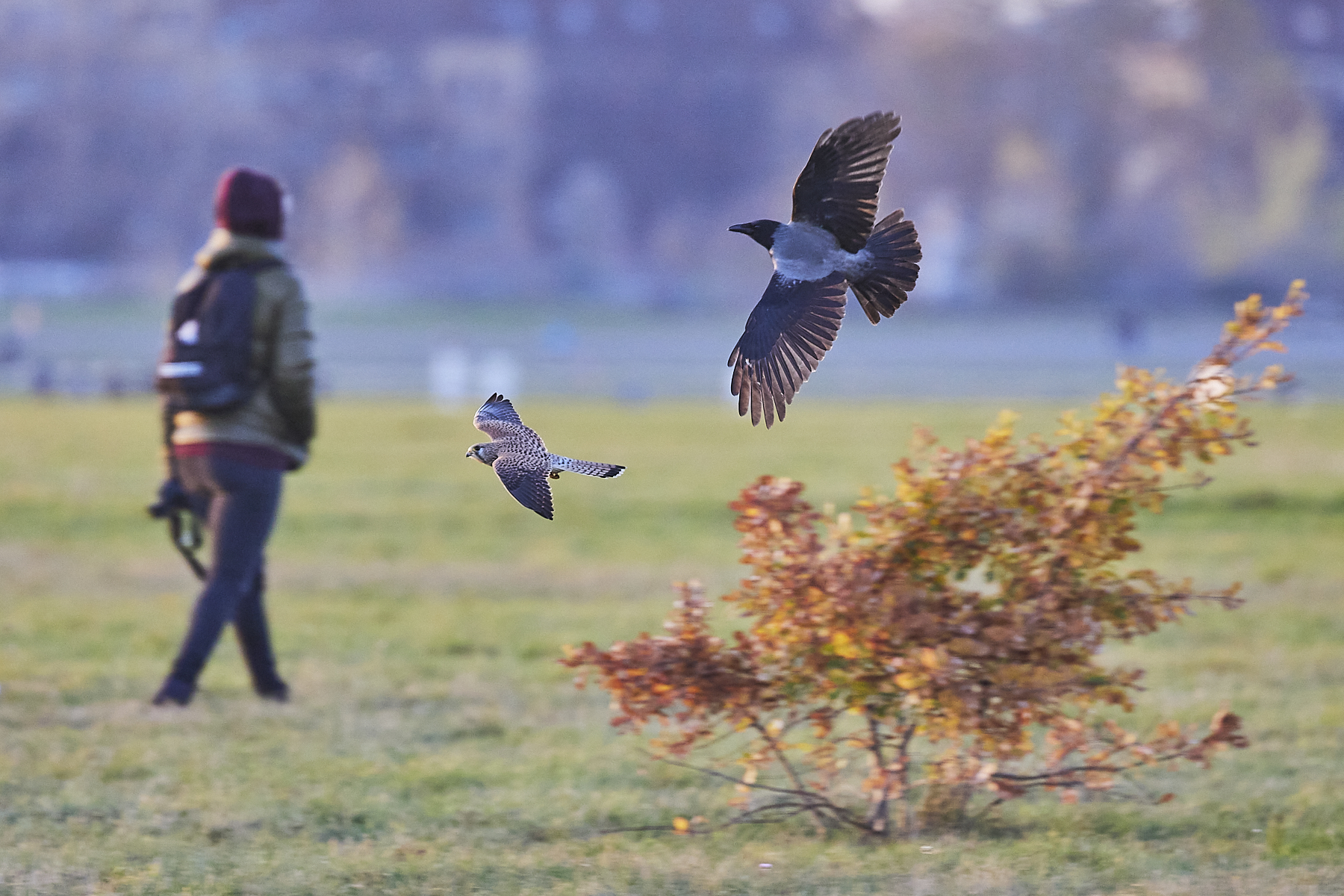
Tempelhofer Feld is a vast open space in Berlin that combines rich history with urban nature. Once an airport, it is now a unique landscape of wide grasslands, wildflowers, and bird habitats, offering room for recreation while preserving biodiversity. (© Photo: J. Vorholt)
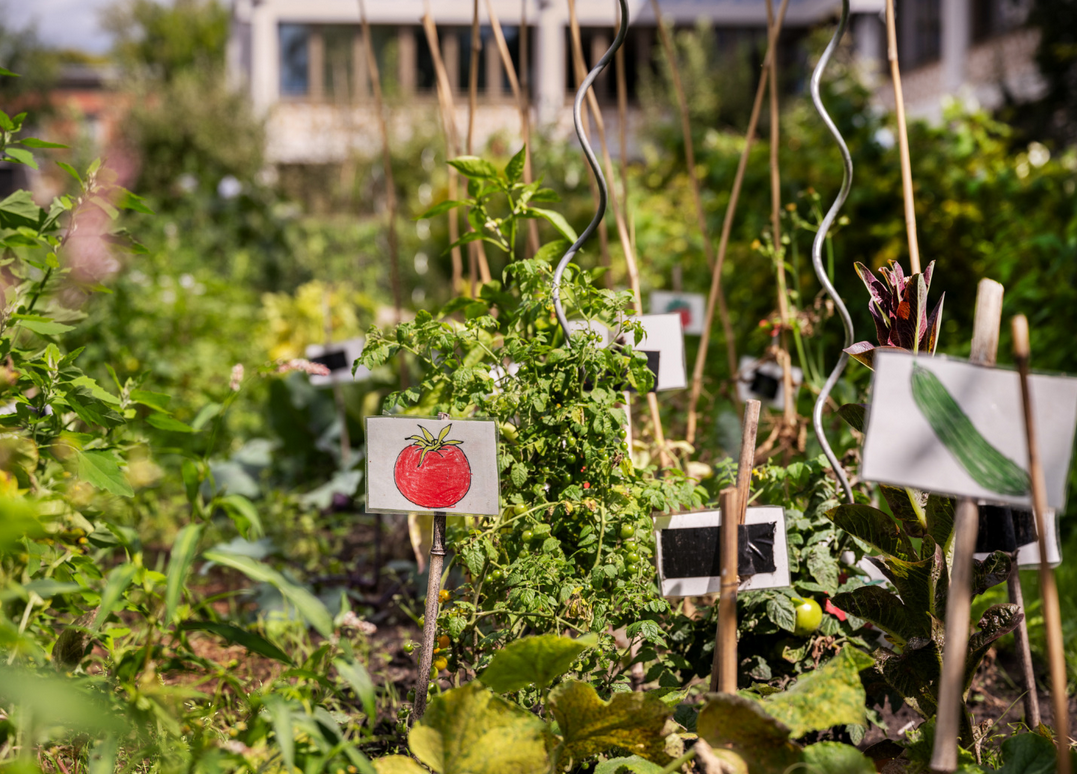
Berlin’s community gardens are spread across many neighborhoods and parks, often found on former vacant lots, rooftops, and along railway lines. These locally rooted green spaces create small ecological islands where plants, insects, and people interact, strengthening both urban biodiversity and community life. (© Photo: D. Schwelle)
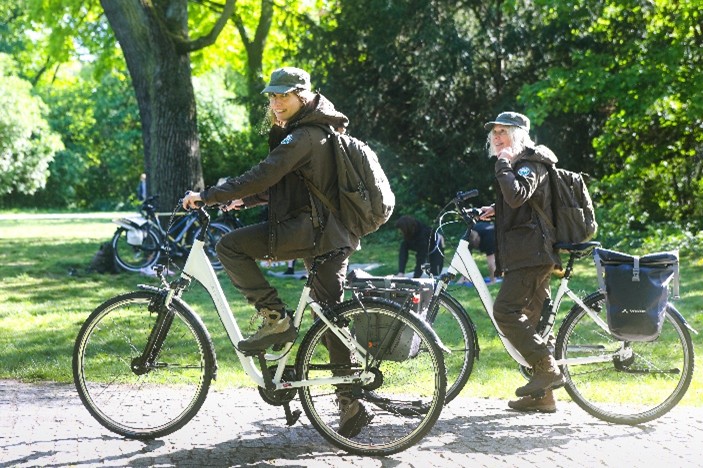
A team of 26 urban nature rangers works across parks, nature reserves, and protected landscapes throughout Berlin. They guide visitors, protect wildlife and habitats, and help connect people with the city’s diverse urban nature through education and on-site presence. (© Photo: Stiftung Naturschutz Berlin)
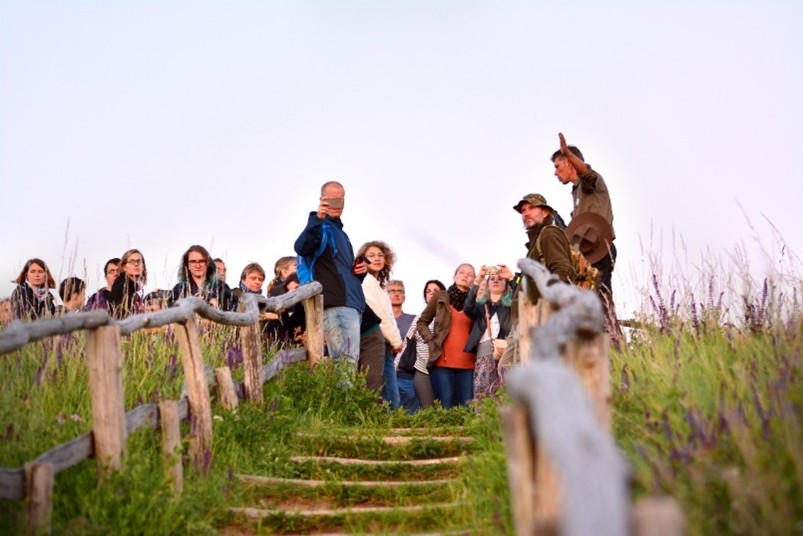
The Long Day of Urban Nature is a special city-wide event in Berlin that takes place across numerous parks, nature reserves, and hidden green spaces. It invites people to discover the city’s biodiversity through guided walks, workshops, and hands-on activities, highlighting Berlin’s rich urban nature. (© Photo: Stiftung Naturschutz Berlin)
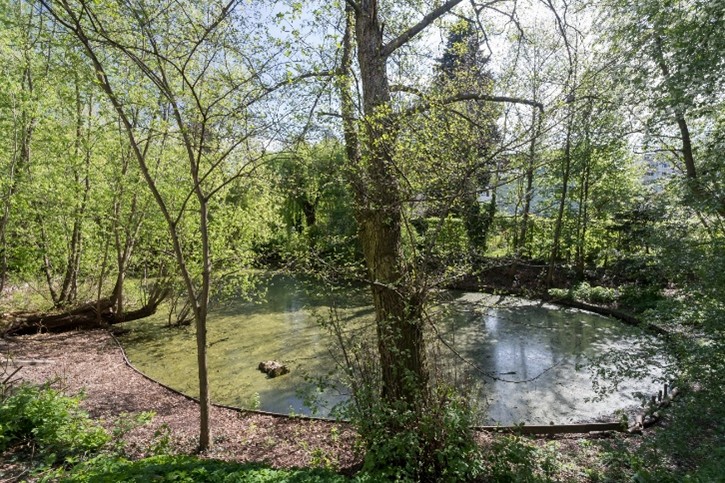
Blue Pearls Berlin is a project that restores and enhances around 30 small water bodies, such as ponds and wetlands, across the city. These “blue pearls” support biodiversity, provide habitats for plants and animals, and offer new opportunities for people to experience and connect with Berlin’s urban nature. (© Photo: C. Libuda)
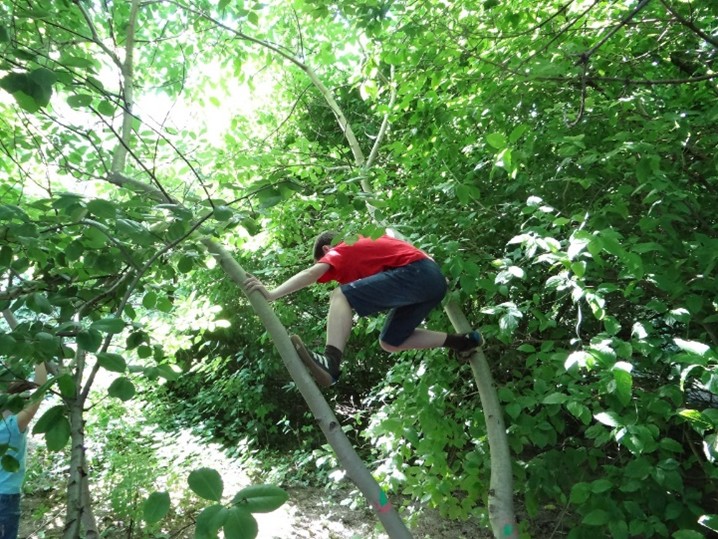
Berlin’s nature experience areas are designed spaces across the city where people - especially children - can explore, play, and learn in direct contact with nature. They combine meadows, forests, and wetlands to foster hands-on environmental education while supporting urban biodiversity. (© Photo: F. Meissner)
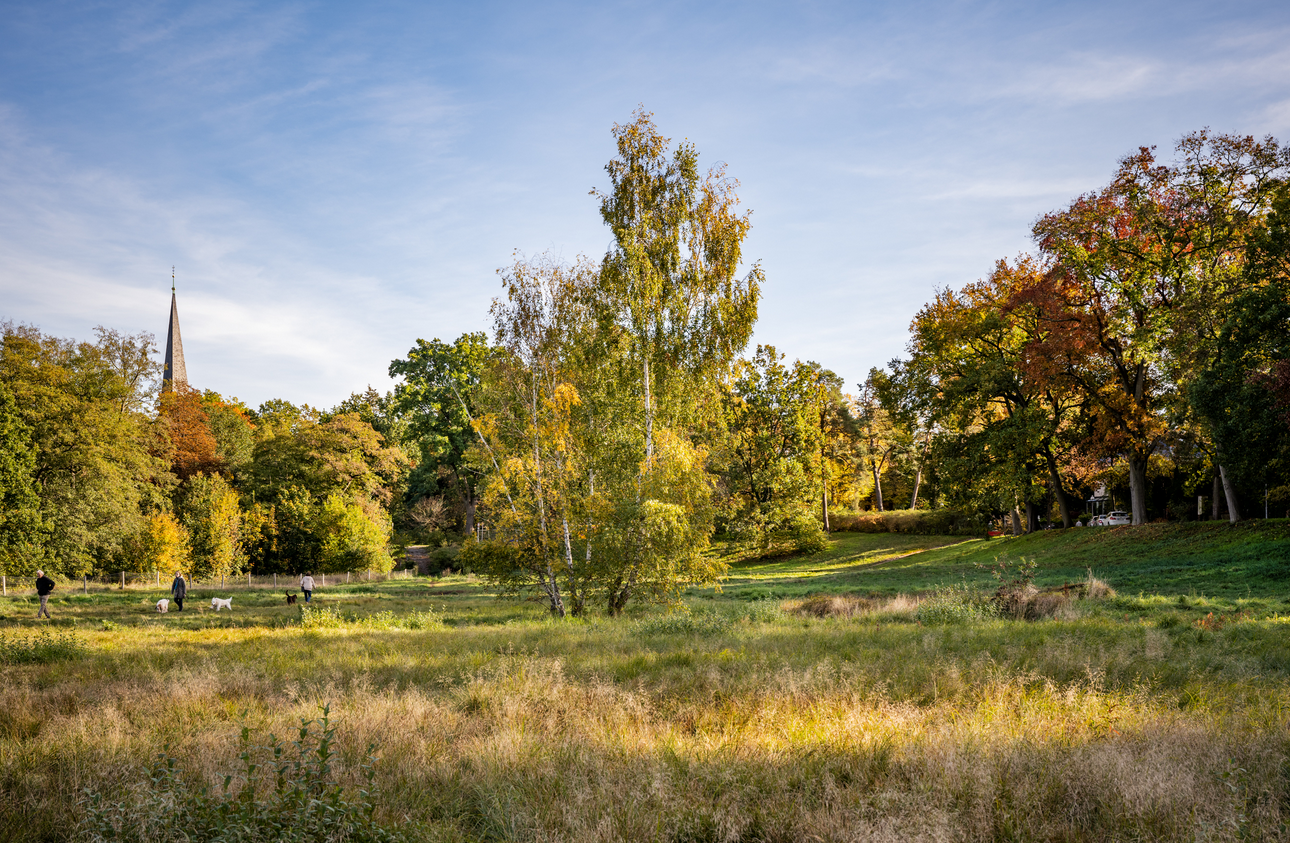
Berlin’s Green Main Routes are key urban corridors that connect parks, rivers, and green spaces across the city. They provide continuous pathways for walking, cycling, and recreation while supporting biodiversity and linking people to Berlin’s natural environment. (© Photo: D. Schwelle)
Berlin’s Ökokonto is an ecological compensation system that allows the city to balance urban development with nature conservation. By creating or improving habitats - such as ponds, meadows, and wetlands - it supports biodiversity while ensuring that construction projects have minimal impact on the environment. (© Photo: SenMVKU)