
World Urban Parks and ICLEI formalize partnership to advance joint vision for greener, healthier CitiesWithNature

World Urban Parks (WUP) and ICLEI – Local Governments for Sustainability, through its Cities Biodiversity Center (CBC), are thrilled to announce an exciting partnership. The signing of a collaboration agreement formalizes the strong partnership between World Urban Parks and ICLEI for collaboration on the CitiesWithNature partnership initiative and the WUP campaign. Leveraging the individual and collective strengths of the two organizations, this partnership will establish a joint work programme on establishing sustainable urban areas that mainstream, protect, and enhance nature, and maximize the benefit derived from the ecosystem services and nature-based solutions that nature provides for all people and cities.

“The overall aim of this partnership is to reconnect communities with nature in and around urban areas and use the CitiesWithNature platform to facilitate this aim, for the benefit of all partners of the Partnership Initiative.  This partnership brings together two strong global organizations committed to advancing the protection and advancement of nature in urban environments for the health and well-being of all people and our planet,” says Jayne Miller, Chair of World Urban Parks.

ICLEI CBC acts globally on biodiversity and nature on behalf of ICLEI, representing the local and subnational government constituency in the United Nations Convention on Biological Diversity (CBD), and is secretariat of the CitiesWithNature partnership initiative, on behalf of the founding partners: ICLEI, the International Union for the Conservation of Nature (IUCN) and The Nature Conservancy (TNC), and the growing network of supporting partners.

World Urban Parks serves as the global voice for urban parks, nature and nature-based solutions providing advocacy, best practices, and bench-marking through global collaboration to resolve issues and increase knowledge and capacity for urban park professionals around the globe.

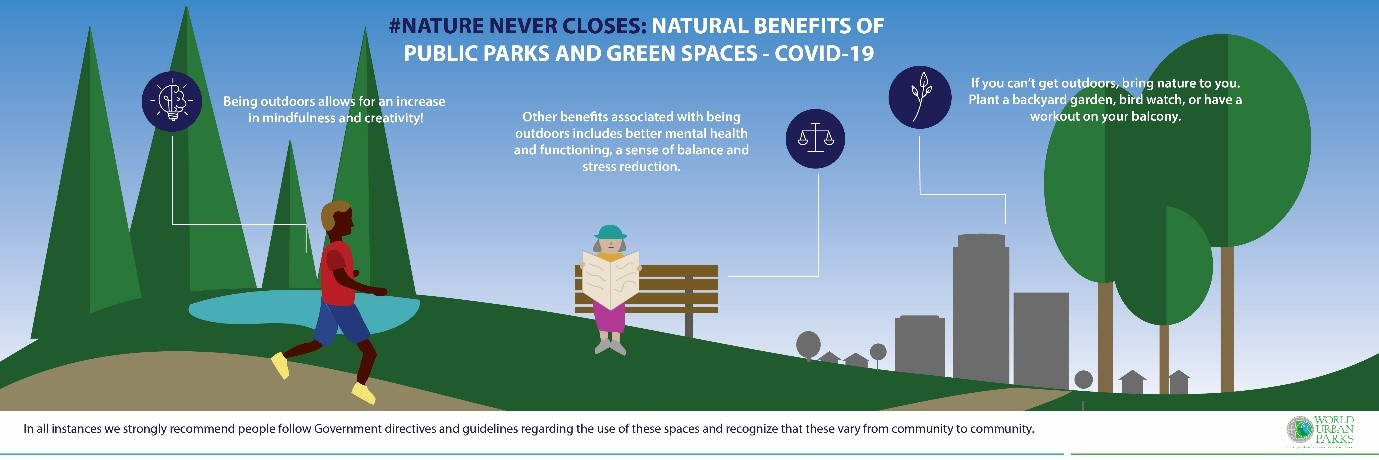
“We welcome World Urban Parks as a partner on CitiesWithNature. Urban parks and green open spaces provide opportunities for urban communities to enjoy and connect with nature, improving health and well-being. While we cannot all access our parks right now, we know that nature never closes and its multiple gifts continue to benefit our cities. Together we stand in solidarity with our cities to celebrate the value of nature and our urban parks, as we build resilient CitiesWithNature,” said Kobie Brand, Global Director: ICLEI CBC.

Both organizations look forward to working together to advance our joint vision for greener, healthier CitiesWithNature.


Contacts:

 WUP Secretariat Coordinator

office@worldurbanparks.org

1-780-644-6976


ICLEI Cities Biodiversity Center

https://cbc.iclei.org/

biodiversity@iclei.org


CitiesWithNature

www.citieswithnature.org

info@cwn-wp.lndo.site

This webinar brought together speakers from cities and city networks around the world, sharing thoughts, ideas, and experiences on the role that nature (and specifically urban parks) is playing in urban life at this current moment, in light of COVID-19.

We explored the increased appreciation of parks and nature at this time, indicating what the role of nature will be in the future of our cities. We heard from a diverse range of perspectives, acknowledging that the situation is contextual and different in each part of the world.

The webinar also discussed and compared experiences, approaches, and responses from a variety of contexts and provided a space for reflection and discussion.

Moderator:

Timothy Blatch (ICLEI)

Speakers:

Peter Massini (Greater London Authority)

Mas Dojiri (City of Los Angeles)

Joëlle Roy LeFrançois (Ville de Montreal)

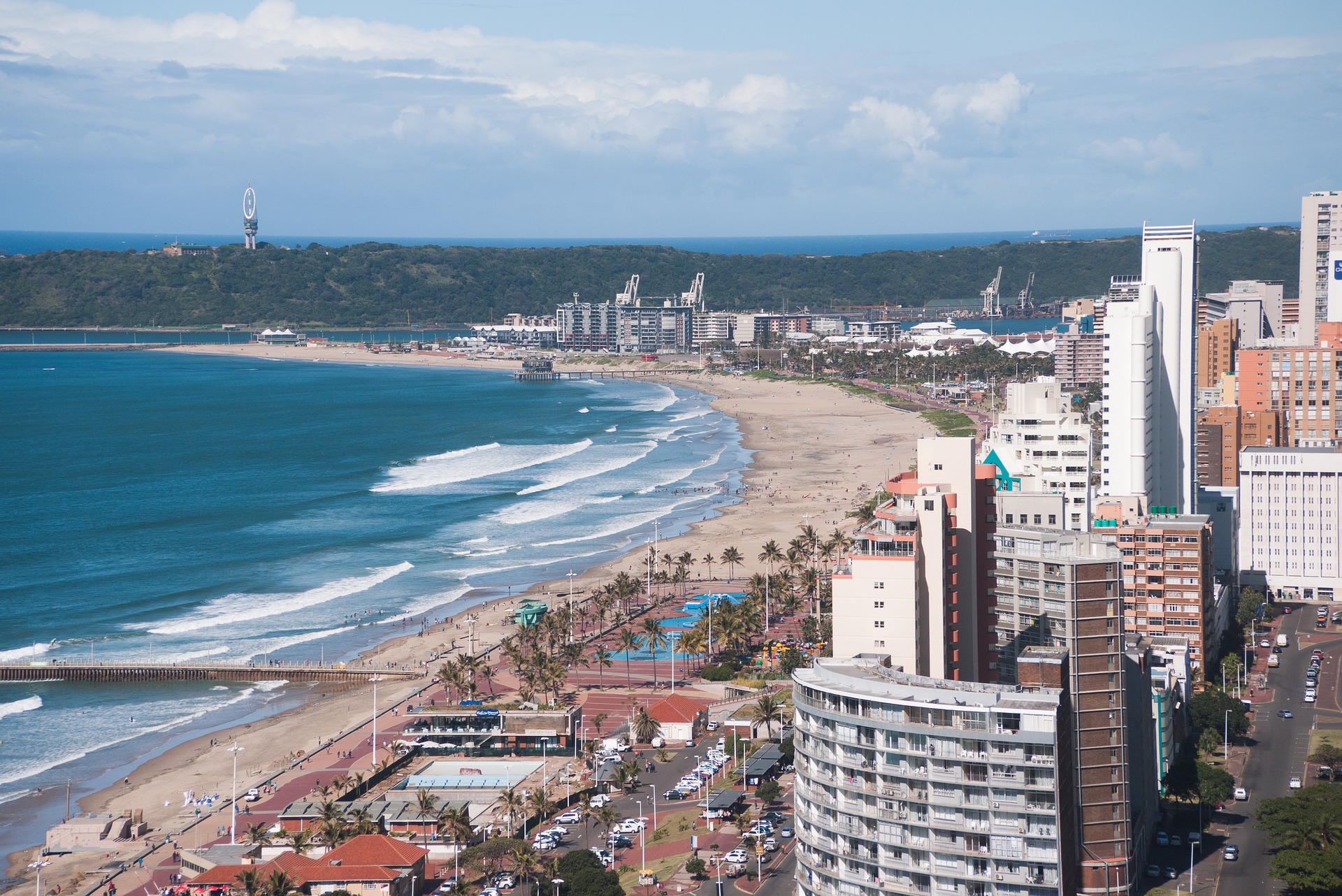
Errol Douwes (City of Durban)

David Callow (City of Melbourne)

Jayne Miller (Chair, WUP)


by Martha Rojas Urrego

This year, the parties to the UN Convention on Biological Diversity will adopt an ambitious global biodiversity roadmap to guide progress toward a future in which humans genuinely live in harmony with nature. To achieve that goal, conservation and restoration of the world’s declining wetlands is essential.

GLAND, SWITZERLAND – It’s called the Extinction Wing. Located in a dark corner of the Paris Museum of Natural History, it houses a haunting collection of species that have long vanished from the natural world. With biodiversity declining faster than at any time in human history, what size museum will future generations need?

We now face a sixth mass extinction, in which an estimated one million species are predicted to disappear. Does it matter? We survived the dodo’s demise and, though tragic, will the imminent extinction of the northern rhino really affect our lives?

In fact, it will. All living things on our planet depend on healthy and diverse ecosystems for air, water, and nutritious food. These same ecosystems regulate the climate and provide the raw materials and resources on which our economies – and lives – depend. The annual global value of natural services each year is estimated to be $125 trillion.

Yet, biodiversity loss and ecosystem collapse are among the biggest risks to economic prosperity and global development, according to the World Economic Forum. For many, it is a matter of life or death. For all of us, it is an existential threat as far-reaching, complex, and urgent as climate change.

The world’s failure to meet almost all of its biodiversity goals highlights how we’ve underestimated that threat. Humanity wonders at the natural world but fails to value it. We pollute ecosystems, exploit their resources with abandon, and make them inhospitable. Too often, we fixate on the threatened extinction of iconic species – the polar bears and koalas whose suffering makes headlines – while ignoring the vast range of organisms we may never see, but which are essential to sustaining the habitats that support and shelter all life, including us.

The most endangered ecosystems are wetlands, including freshwater rivers, lakes, paddies, marshes and peatlands, and saltwater estuaries, mangroves, coral reefs, seagrass beds, and lagoons. We have lost 87% of our wetlands in the past 300 years, and 35% since 1970. Today, they are disappearing faster than any other ecosystem – three times faster than even forests. As they vanish, so does the life within them. More than 25% of wetland plants and animals – which comprise up to 40% of all the world’s species – are at risk of extinction, and stocks of other remaining species are declining rapidly.

Spending at least 120 minutes a week in natural environments is associated with good health and wellbeing, according to a study published in Scientific Reports.


Mathew White and colleagues surveyed 19,806 adults in England on how much time they had spent over the past week in natural environments, such as fields and woodlands (but not including their own garden), and their self-reported health and wellbeing. They show that people who reported spending 120 minutes or more in nature were more likely to report good health or high levels of wellbeing.

The authors found this association was independent of the size of the available green space in their local neighbourhood. The relationship was also seen in participants of all ages, including those with long-term health issues, which may suggest that the findings were not simply due to healthier people visiting nature more often. It did not matter if the 120 minutes were spent in nature on one occasion or several shorter visits throughout the week, the authors report. Spending under 120 minutes a week in nature was not associated with improved wellbeing, while spending between 200–300 minutes in natural environments showed no additional benefit.

The authors conclude that, although preliminary, the findings represent an important starting point for discussions around providing simple, evidence-based recommendations about the amount of time spent in natural settings that could result in meaningful promotion of health and wellbeing.

Original post here.

The health of natural ecosystems is crucial to the health of cities and urban populations. From essential services like water purification, flood control and climate regulation to a range of physical and mental health benefits, societies thrive by building a strong connection to nature.

Biodiversity loss and ecosystem changes are a reality in our urban world. They have occurred more rapidly in the last half-century than any other time in human history as a result of urban sprawl, pollution and climate change. In our rapidly urbanizing world, nature is pushed increasingly to the periphery, often resulting in irreversible loss.

With urban areas at the center of our future, integrating nature into urban development and planning is crucial. Local and regional governments across the global ICLEI network are taking this forward. Through INTERACT-Bio, a four-year project in Brazil, India and Tanzania, nine cities are reshaping their current urban landscapes and development plans with nature. The project is designed to strengthen institutions and encourage integrated, interdisciplinary thinking and coordination across all levels of government and jurisdictional boundaries.

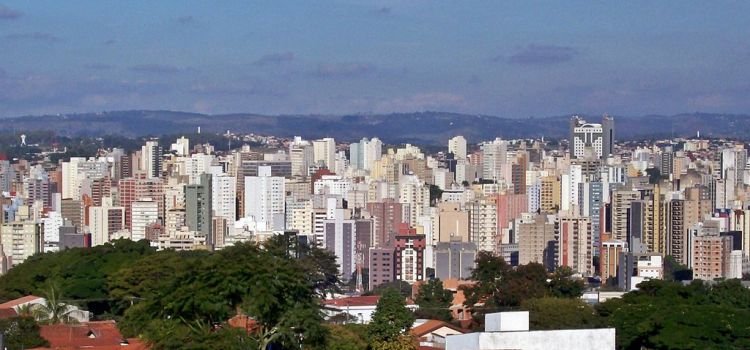
In Campinas, Brazil, for instance, city and ICLEI technical staff are supporting the preparation and implementation of a multifunctional nature connectivity area comprising all 20 municipalities within the metropolitan region. This is building on an already established program, which aims to recover and conserve regional fauna and flora through ecological corridors. Through a series of technical workshops, conferences and meetings, Campinas is also actively engaged in developing the regional urban development strategy, bringing a nature-based development lens to the conversation.

For more information on project cities and actions, take a look at the INTERACT-Bio newsletter or visit the project website.

Picture: Campinas’s downtown as seen from Torre do Castelo (‘Castle Tower’) belvedere.
© Fazousafreitas

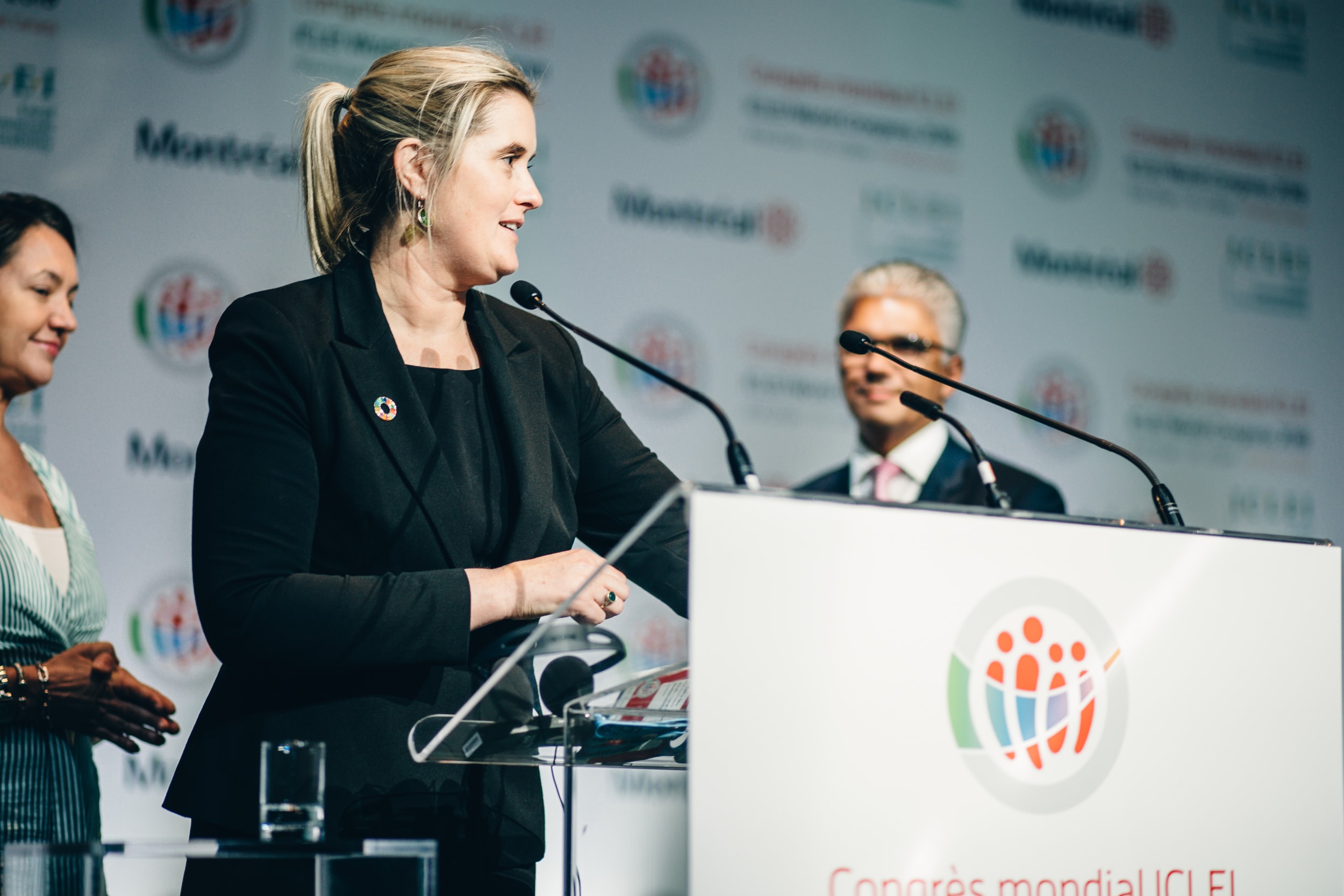
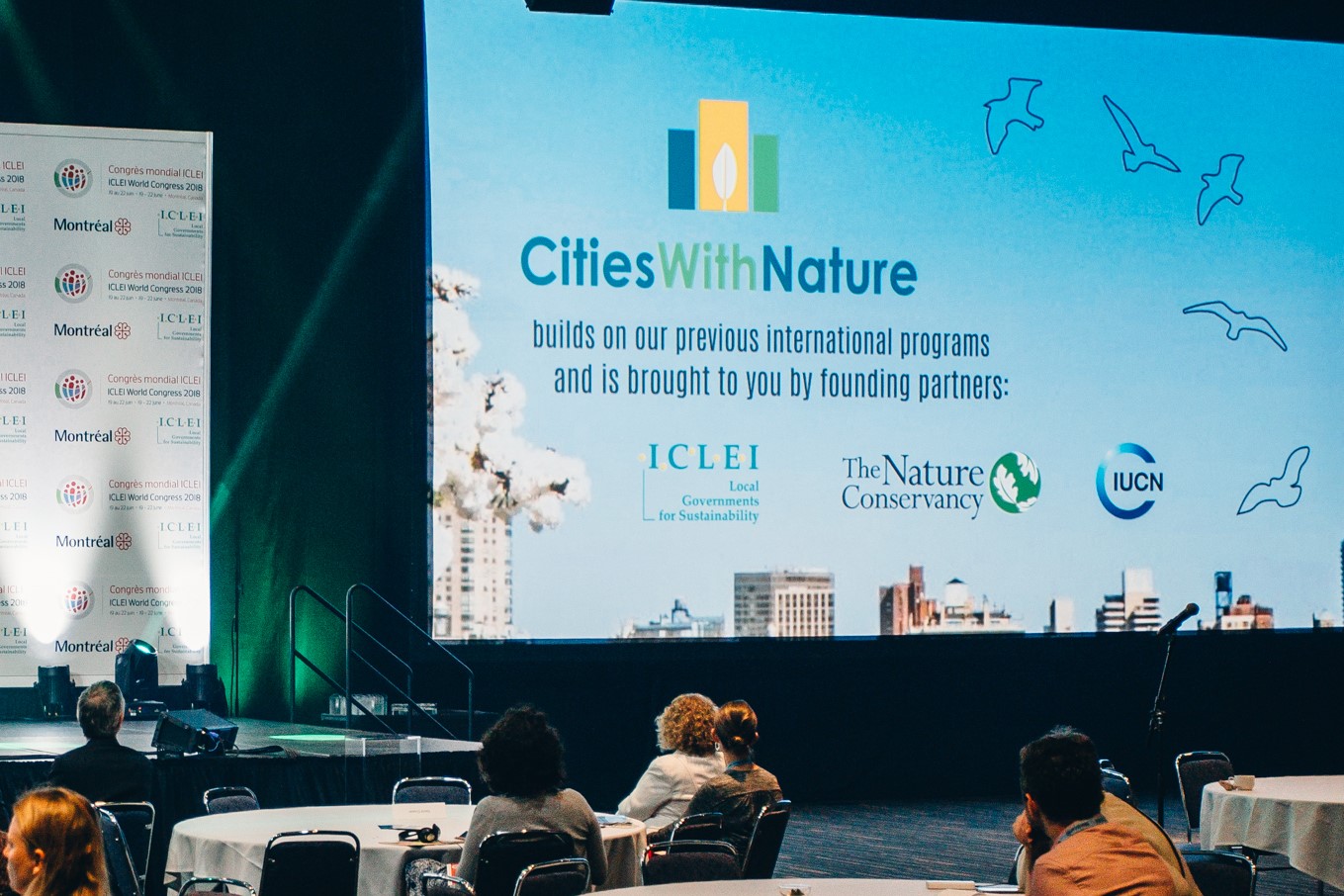
On 20 June 2018, at the ICLEI World Congress in Montreal, Canada, three highly respected global organisations launched a unique initiative that recognizes and enhances the value of nature in and around cities across the world.

Called CitiesWithNature, this exciting initiative builds on previous international programs and significant experience and expertise of the founding partners – ICLEI – Local Governments for Sustainability, The Nature Conservancy (TNC) and the International Union for Conservation of Nature (IUCN).

CitiesWithNature is a global platform for cities and other subnational governments, their communities and experts to connect, share and learn from each other in mainstreaming nature into our cities in ways that benefit both people and nature.

“Now, more than ever, we need to reconnect with nature, to plan, build and manage our cities with nature! ICLEI and its partners are proud to present this shared global ambition, which aims to enable a growing number of cities and partners to come on board and collaborate,” says Councillor Cathy Oke, ICLEI’s incoming First Vice President. “I am also particularly excited that my city, Melbourne, has already joined CitiesWithNature as one of its pioneer cities.”
The initiative is open to all cities and subnational governments, regardless of size or level of progress in working with nature. It is structured in such a way that cities can decide how involved they want to be. The more actively they engage and contribute, the more benefits they will receive. There is no fee associated with joining CitiesWithNature. Initially, a commitment, along with some basic information, is all that is needed to register and start participating.

Each city that joins CitiesWithNature will be invited and assisted, through an online Registry, to share its policies, plans, commitments, actions and results related to nature and the services of ecosystems. This will become a powerful resource where cities can connect, share, learn from and inspire each other to accelerate actions and raise ambitions.

“Nature isn’t a luxury, it’s a critical piece of the solution as cities grow and face the impacts of a changing climate,” says Pascal Mittermaier, Global Managing Director for Cities at The Nature Conservancy. “Giving municipal leaders the tools they need to make the case for nature in their communities will help make cities greener, more resilient, truly thriving places for all of us.”

“Cities can benefit tremendously from strengthening the connection with their natural surroundings – this will improve quality of life, ensure the sustainable provision of food, energy and drinking water and create climate resilience. CitiesWithNature offers new opportunities to learn from the best experiences in the world to create cities that are in balance with nature,” says Chantal van Ham, EU Programme Manager Nature Based Solutions, IUCN.

The CitiesWithNature Knowledge and Research Hub will be a “meeting place” and online resource library for practitioners, researchers and other experts, both public and private, to engage and contribute to emerging practices and scientific thinking related to nature in, and surrounding, cities and other urban spaces.

The CitiesWithNature Community Hub will be co-created via social media. It will be open and freely available to anyone from any city in the world to share their experiences, photos, video clips and stories about nature in cities.

For more information and updates, please visit https://www.citieswithnature.org/ or follow on Twitter @CitiesWNature.

View our introductory video below or here (best viewed in HD).