Attend the UNEA Cities and Regions Summit
The second UN Environment Assembly (UNEA) Cities and Regions Summit challenges us to see cities as champions of nature and accelerators of a sustainable future. Experts and city leaders will speak about the value of nature-positive strategies in rethinking the way cities are planned, and how to scale up action for nature. Various CitiesWithNature partner organisations, such as ICLEI, WWF and IUCN, are involved in the summit, as well as CitiesWithNature cities such as Cape Town.
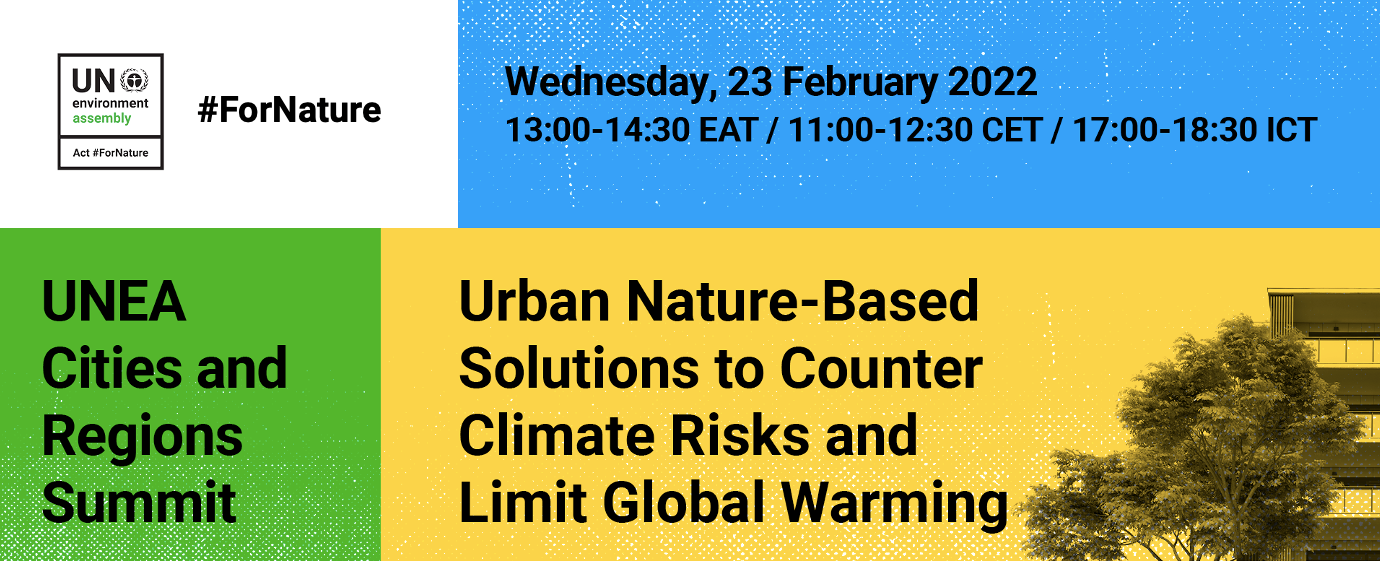
Join virtually for a dedicated session on “Urban Nature-Based Solutions to Counter Climate Risks and Limit Global Warming”. Cool Coalition partners will discuss how they are using nature to beat the heat and achieve a sustainable, resilient urban future.
Speakers include:
- Kunal Kumar, Joint Secretary, Ministry of Housing and Urban Affairs, India
- Rebecca Pow MP, Minister for Nature Recovery and the Domestic Environment, UK
- Dieudonné Bantsimba, Mayor of Brazzaville, Republic of the Congo
- Geordin Hill-Lewis, Executive Mayor of the Cape Town, South Africa
- Eleni (Lenio) Myrivili, Chief Heat Officer, City of Athens, Greece
- Supriya Sahu, Principal Secretary, Environment, Climate Change & Forest, Tamil Nadu
- Ming Jiang, Deputy Director, Development & Reform Commission, Chengdu City, China
- Jennifer Lenhart, Global Lead, WWF Cities
- Stewart Maginnis, Deputy Director General, IUCN
- Kongjian Yu, Professor, Peking College of Architecture and Landscape Architecture
- Andy Deacon, Acting Managing Director, Global Covenant of Mayors
What is the UN Environment Assembly (UNEA)?
The United Nations Environment Assembly, the world’s highest-level decision-making body on the environment, is holding its two-yearly meeting from 28 February to 2 March 2022. The Environment Assembly is the world’s highest-level decision-making body on the environment. It addresses the critical environmental challenges facing the world today. Understanding these challenges and preserving and rehabilitating our environment is at the heart of the 2030 Agenda for Sustainable Development.
The Environment Assembly meets to set priorities for global environmental policies and develop international environmental law. Through its resolutions and calls to action, the Assembly provides leadership and catalyses intergovernmental action on the environment. Decision-making requires broad participation, which is why the Assembly provides an opportunity for all peoples to help design solutions for our planet’s health.
New York City has become the 200th city to join CitiesWithNature, a global partnership initiative that strengthens collective action and impact to protect biodiversity and reconnect urban communities with nature. New York is taking up this leading position alongside London, Los Angeles, São Paulo, Cape Town, Barcelona, Montreal and Melbourne.
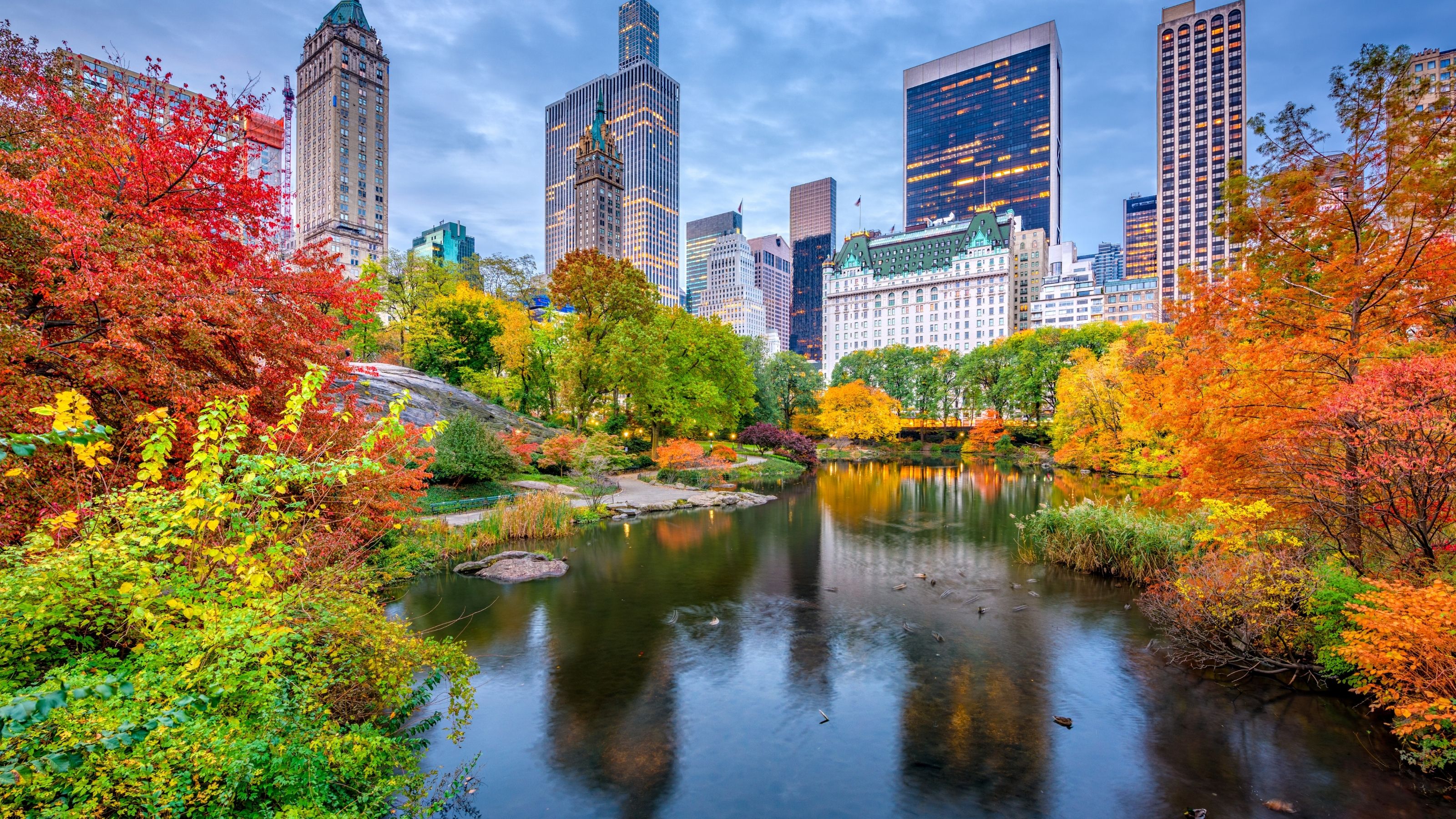
This comes in the wake of the recent United Nations climate change summit, COP26, where nature was prominent on the agenda like never before, and which emphasised the critical importance of addressing the nature and climate crises together.
The escalating decline in biodiversity and associated multiple ecosystem goods and services has implications for the quality of life of current and future generations, adversely limiting our ability to combat poverty, hunger and climate change. As we enter the Decade on Ecosystem Restoration, scientists estimate that around one million species already face extinction, many within decades, unless action is taken to reduce the intensity of drivers of biodiversity loss. (1)
“We’ve been working tirelessly across all five boroughs to bring cleaner air, water, and new greenspaces to all New Yorkers,” said New York City Mayor, Bill de Blasio. “As a result, wildlife is once again flourishing, as we build a more environmentally friendly, sustainable city. We are proud to join CitiesWithNature and continue this work with other global leaders. New York City is proof that you can create climate-friendly, biodiverse cities that support the well-being of all of our residents, including those with feathers, fins and fur.”
The Big Apple has been growing ever greener for many years. It has long been a leader on climate action in particular, implementing bold programmes and advocating for the vital role cities have to play in combating climate change. This experience, coupled with New York City’s renowned energy and innovation, is set to inspire many other cities through the CitiesWithNature initiative.
Join CitiesWithNature
New research (2) shows that hundreds of millions of people across the world are concerned that the natural world is under threat, and that number is growing. Citizens are increasingly demanding action from local and subnational government leaders. With more than 80% of global GDP generated in cities (3) and more than half of global GDP estimated to be dependent on nature (4), it is clear that cities have a critical role to play in ensuring nature is restored and protected.
“CitiesWithNature are true leaders, understanding that there is no future without nature. Our urban leaders are taking bold, decisive action to protect biodiversity and restore ecosystems to counteract climate change and ensure human health and wellbeing. We are proud to call New York City one of our CitiesWithNature and congratulate them for stepping up to strengthen collective action for nature and ensure transformative change,” said Kobie Brand, Global Director of ICLEI Cities Biodiversity Center.
On the online CitiesWithNature platform, cities of all sizes and levels of progress in working with nature, from around the world are connecting, sharing their experiences and actions, and benefiting from access to a range of partner organisations and practical tools.
“As ICLEI’s Global Ambassador for Local Biodiversity, I congratulate all of the cities that have joined CitiesWithNature, leading up to New York City being the 200th city,” said Valérie Plante, Mayor of Montreal. “The City of Montreal is proud to be part of CitiesWithNature, as we pursue our ecological transition to counter climate change by boosting public transit, expanding bike lanes and planting half a million more trees over the next decade. I encourage other cities around the world to join CitiesWithNature and share their commitments and actions through the Action Platform.”
“London joined CitiesWithNature as the 100th Pioneer City, leading by example on conserving and restoring urban nature for the benefit of people and wildlife,” said London’s Deputy Mayor for Environment and Energy, Shirley Rodrigues. “The Mayor has made huge strides in increasing and protecting the capital’s green spaces, securing London’s status as the world’s first National Park City. Over £20 million has been invested to help make London greener, including creating and improving over 400 hectares of green space and planting over 350,000 trees. Congratulations to New York City on becoming the 200th city. Through collaboration we can ensure we take the action needed to restore nature in our cities.”

- https://ipbes.net/sites/default/files/2020-02/ipbes_global_assessment_report_summary_for_policymakers_en.pdf
- https://wwfint.awsassets.panda.org/downloads/an_ecowakening_measuring_awareness__engagement_and_action_for_nature_final_may_2021__.pdf
- https://www.worldbank.org/404_response.htm
- https://www.sitra.fi/en/articles/the-circular-economy-is-key-to-halting-biodiversity-loss/
CitiesWithNature and its partner organisations are at COP26 in Glasgow making the case for climate and nature goals to be pursued together in the urban context. They are hosting various in person, hybrid and virtual events in and around COP26, starting 31 October and running until 12 November.
Read on for a summary of important urban nature and climate events you can attend (document attached below).
Enhancing urban nature via indigenous land management in Australian cities
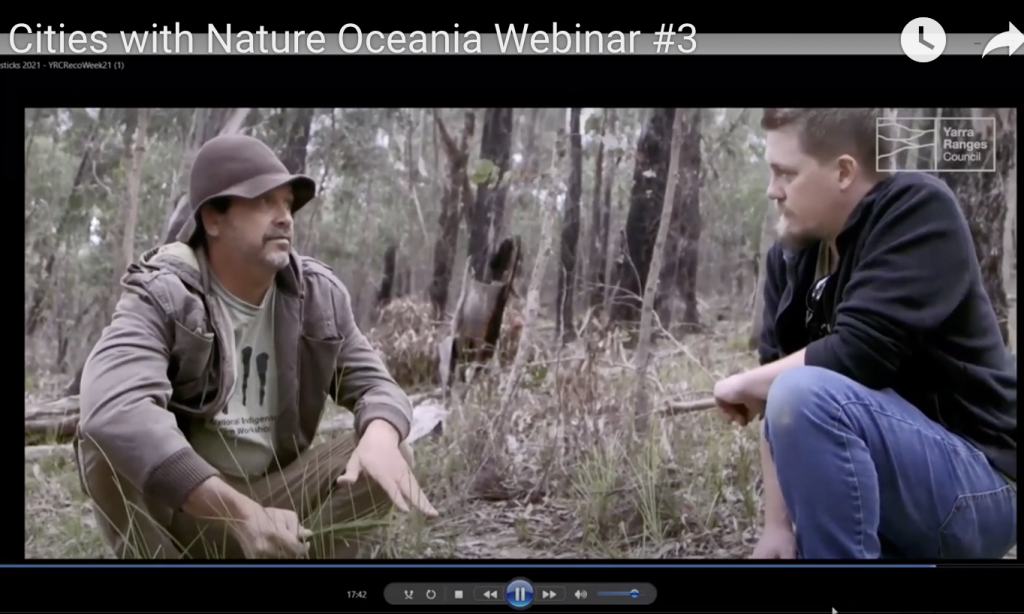
Urban nature areas can benefit from indigenous land management practices such as cultural burns. The Australian city councils of Adelaide, Cairns and Yarra shared how they are partnering with Traditional Owners to achieve this at a recent webinar hosted by ICLEI Oceania.
The speakers explored how councils can work together more effectively with Traditional Owners to protect and restore nature in and around urban areas. The session was introduced by Councillor Amanda Stone from the City of Yarra, who is also Chair of ICLEI’s Regional Executive Committee. She highlighted the importance of recognising the owners of the land. “We have entered the UN Decade of Ecosystem Restoration, yet we have been causing enormous damage to our planet, we have been dismissing nature and using more resources. We need to bring nature back. Here in Australia, we are lucky to live in a land with thousands of years of transmitted knowledge through Traditional Owners about how to live in harmony with nature, how to respect the land. Learning from Traditional Owners is a gift but it is also a door to the future of more respectful relations with nature and the ancient land. So that we all have a future”.
Three stories were then shared about how the Councils of Cairns, Adelaide and the Yarra Ranges are working with traditional owners, their approach and protocols, and how these are being applied to biodiversity and NbS initiatives.
In the Cairns Regional Council, Sophie Barrett, Advisor Strategy & Sustainability, shared how the Council aims to develop a set of inclusive and culturally appropriate guidelines for Council staff, elected members and consultants to inform engagement and remuneration of Aboriginal Traditional Owner groups across the Cairns LGA.
From the City of Adelaide, Chris Butcher, Senior Sustainability Advisor (Biodiversity), and Marty Reeve, Kaurna Liaison Officer, shared their insights from work on the Adelaide Park Lands, where the Council is working with and empowering Kaurna and other First Nations People to restore historic land management practices as business as usual for native vegetation.
From the Yarra Ranges, Gary Detez, Indigenous Development Coordinator, shared how the indigenous knowledge of culture and country, skills and experience in both cultural burns and contemporary fire management practices, present a unique opportunity to reinvigorate Australia’s cultural fire knowledge to heal the land across Australia. The Firesticks Alliance is an Indigenous-led organisation that works with communities, land and fire agencies and organisations across Australia. The words from a fire stick practitioner resonated strongly: “Knowledge is the most important and safest thing you can use for building your culture back. Aboriginal peoples’ knowledge has been there for thousands of years”.
Overall, the webinar aimed to acknowledge Australia’s First Peoples as Traditional Owners and Custodians of the Land and to give respect to the Elders, past, present and emerging, and through them to all Aboriginal and Torres Strait Islanders People.
Watch the recording of the webinar here: https://www.icleioceania.org/icleioceanianews/2021/7/21/citieswithnature-australia-webinar-series-kaxjy-nbe6k
ICLEI Oceania manages the Oceania chapter of the CitiesWithNature initiative. Towns and cities in the Pacific, New Zealand and Australia are invited to join the initiative and explore how to enhance greening and biodiversity in their urban areas. CitiesWithNature offers a platform for sharing and interacting with other like-minded councils – to access events, resources, case studies, best practice models and knowledge promoting the benefits of nature-based solutions in cities.
Announcing RegionsWithNature: a new platform that boosts nature action by regional governments

An exciting new initiative dedicated to regional governments and their nature work is being launched today at Daring Cities 2021, the global virtual forum for urban leaders taking on the climate emergency. RegionsWithNature will be a dynamic online space where regional governments and their partners can connect, demonstrate their commitment to biodiversity goals, and access resources to enhance their landscape and territorial actions for nature. RegionsWithNature is building on the success of CitiesWithNature – which has grown to 190 cities and 17 partner organisations since its launch in 2018 – and will follow a similar model.
This partnership initiative is being developed by founding partners ICLEI, Regions4, IUCN, the Group of Leading Subnational Governments toward Aichi Biodiversity Targets (GoLS) and others. Founding regional governments that have already thrown their weight behind RegionsWithNature include Yucatan State in Mexico, São Paulo State and Pernambuco State in Brazil, Goa State in India, the Comunidad de Madrid in Spain and the Western Cape Province in South Africa. RegionsWithNature is being championed by Governor Mauricio Vila Dosal from the State of Yucatan, who is also a Member of ICLEI’s Global Executive Committee where he leads the Biodiversity Portfolio.
Watch the announcement event on 8 October at 16:30 CEST – or the replay – by registering for free at https://daringcities.org/2021-registration . Hear from speakers from ICLEI, Regions4, Yucatan State, the Secretariat of the Convention on Biological Diversity and other leading organisations in this plenary session of the 2030 Visions Day of the Daring Cities forum.
Get a glimpse of what is to come by visiting the new website regionswithnature.org and follow @Regionswnature on Twitter to stay up to date about developments. If you would like to find out more about RegionsWithNature or are from a regional government or partner organisation who would like to join and help build RegionsWithNature, get in touch by emailing info@regionswithnature.org
The need for RegionsWithNature
Many of the actions that we need to take to tackle the climate and biodiversity crises are needed at the territorial and landscape scale. Regional governments such as provinces and states have different mandates from cities and have unique and vital contributions to make. Regional governments are best positioned to work at the larger scale of landscapes and to implement solutions that span from urban to rural areas. For example, to achieve resilient water catchments and sustainable food systems we must work at these scales. Regional governments also play an essential role in supporting and enabling the local governments within their jurisdictions. The IPBES Global Assessment Report on Biodiversity and Ecosystem Services emphasises that successful transformations towards sustainability, require governance approaches that are integrative, inclusive, informed and adaptive.
To support the nature ambitions of regional governments and to ensure that multi-level governance opportunities for action are maximised, regional governments require a dedicated space. RegionsWithNature is being developed at the request of regions to have a space to make their voices heard, to share their experiences, and to showcase their commitments towards achieving national and global biodiversity targets.
RegionsWithNature will serve regional governments from around the world, such as provinces, states, prefectures, and larger territories. The online platform will provide essential resources, tools and services and enable regions to mobilise political will and funding to achieve their ambitions for nature-positive development.
For media enquiries contact pieter.botha@iclei.org
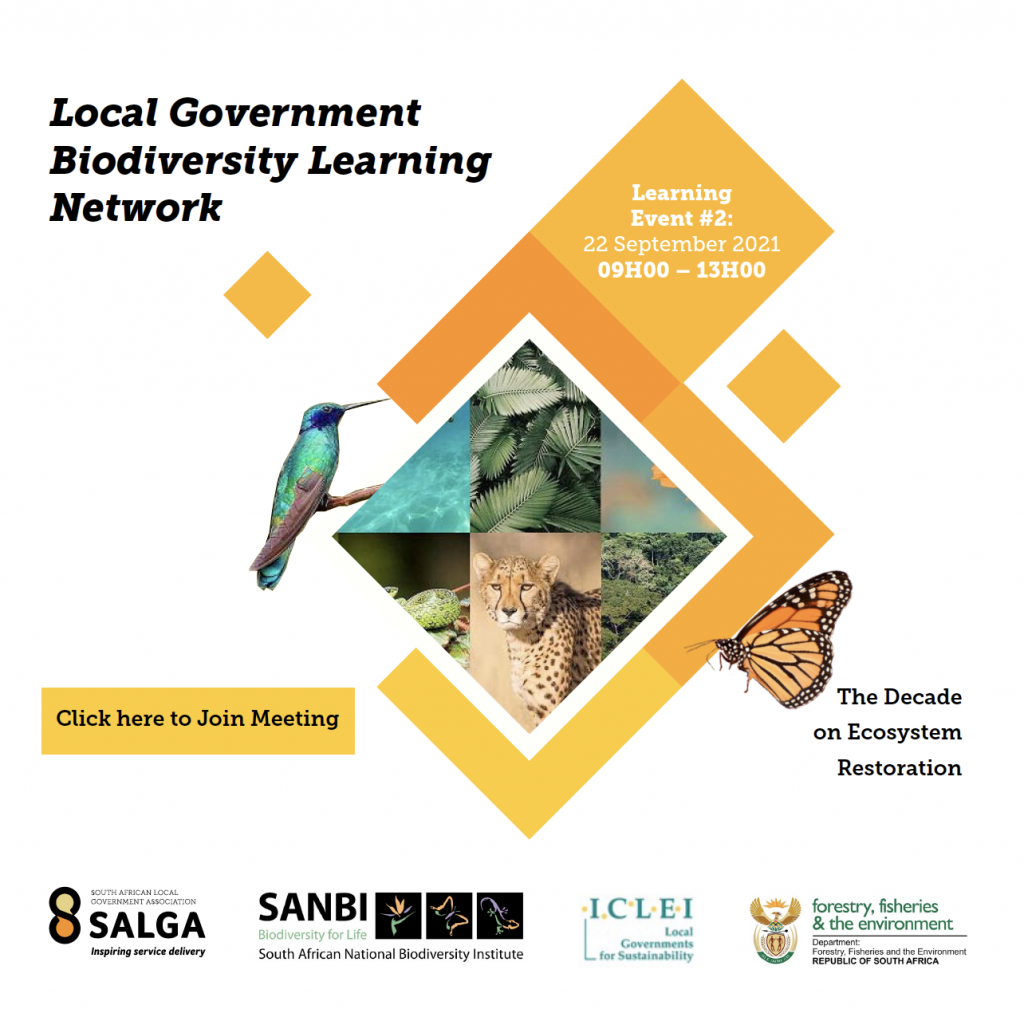
The 2021 Learning Event #2
Biodiversity management
The event will provide an opportunity for municipal peer learning exchanges on biodiversity management for ecosystem restoration and discuss opportunities for funding and technical support. The theme of the event is ‘The Decade on Ecosystem Restoration’, in line with the global 10-year ecosystem restoration programme launched by the United Nations in 2021 with the aim of restoring ecosystems following the COVID-19 pandemic and supporting the implementation of the Sustainable Development Goals (SDGs). Municipalities play an integral role in the implementation of the SDGs, and should consequently be further empowered to restore and preserve ecosystems.
This event will be of particular interest to environmental practitioners in Metropolitan, District and Local municipalities; Department of Forestry, Fisheries and the Environment local government support personnel; District Development Hub personnel in District and Metropolitan municipalities; Spatial planning and land use management personnel in Metropolitan, District and Local municipalities; Provincial environmental affairs departments and their conservation agencies; National Government Departments and Non-governmental organisations working on biodiversity management and research.
RSVP by 20th September 2021 with Ms Khaya Gumede (kgumede@salga.org.za) to attend.
Objectives of the learning event:
- To engage with the community of practice of biodiversity professionals to enable them to share lessons about the implementation of biodiversity related projects.
- To capture implementation challenges and solutions, particularly with the intention of “Making the Case” for biodiversity funding models and allocations.
- To engage on strategies to enhance investment in ecological infrastructure and promote nature-based solutions in land use management practices.
- To foster relationships and partnerships between municipalities for ongoing exchanges and shared services.
AIPH, the International Association of Horticultural Producers and the world’s champion for the power of plants proudly presents the AIPH World Green City Awards, which recently opened for entries for the 2022 inaugural edition.
AIPH invites all cities, large and small, to showcase their ambitious actions by entering the 2022 edition of the AIPH World Green City Awards.
The leading role of city authorities is recognised for promoting and supporting greater inclusion of nature and plants in urban environments. The AIPH World Green City Awards 2022 are designed to champion ambitious nature-orientated approaches to city design and operation. Specifically, they seek to recognise public initiatives relying on a greater use of plants and nature to create better city environments – helping to fulfil local aspirations for improved economic, social and environmental resilience.
The awards celebrate innovation, achievement, and commitment to the globally recognised imperative to embrace a nature-orientated solutions that harvest the power of plants and associated ecosystem services to help address the major challenges facing cities today – or tomorrow. AIPH initiated these awards to bring wide recognition to the value of plants in providing solutions for common city problems and to create an enabling environment to shape and nurture a strategic shift in city governance and planning.
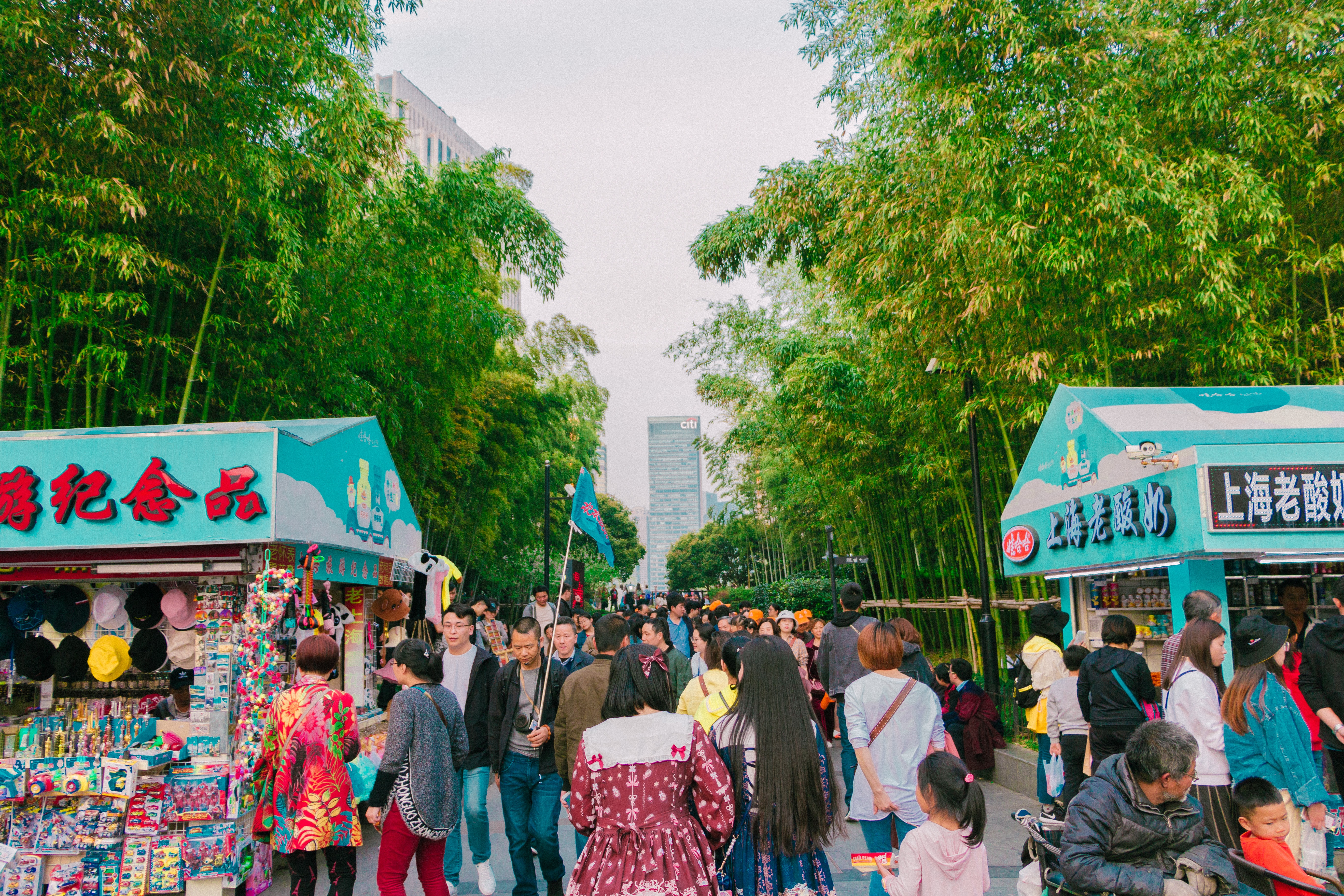
UrbanByNature webinar series explores Nature-based Solutions in China
On 18 August, UrbanByNature China will host a webinar exploring the enabling conditions and barriers to implementing nature-based solutions, featuring experts from China and the Connecting Nature and CLEVER Cities initiatives.
Speakers will include:
- Stuart Connop, Senior Research Fellow, Sustainability Research Institute, University of East London, UK
- Nian She, Tsinghua University Innovation Center in Zhuhai, China
- Carolina García Madruga, Senior Researcher in Sustainability and Urban Regeneration, Tecnalia, Spain
- Sean Bradley, CLEVER Cities Programme Manager, Groundwork London, UK
- Taoran Guo, Forest City Studio, Shanghai, China
The webinar will be moderated by Chuntao Yang, Program Officer at ICLEI East Asia Secretariat Beijing Office and simultaneous translation (English and Chinese) will be provided.
Tune in on Wednesday 18 August, 9:00 CEST/ 15:00 BJT/CST
You can attend this exciting webinar by registering here.
Find out more about the webinar series here.
What is UrbanByNature?
UrbanByNature is an expertise-sharing and capacity-building programme to empower local governments all around the world to harness the boundless potential of nature for sustainable urban development.
Fuelled by science-supported implementation of nature-based solutions, UrbanByNature offers support to cities as they embark on the journey to becoming CitiesWithNature. The programme aims to bring together established and aspiring urban nature pioneers from local governments, civil society and businesses to co-create a nature-based, sustainable and resilient urban future.
UrbanByNature is hosted by the CitiesWithNature platform and has successfully been launched in Brazil, South Korea and the Caucasus as part of the Horizon 2020 project Connecting Nature.
Learn more about the UrbanByNature Programme here.
We just launched the Tools and Resources Hub. This new functionality on the CitiesWithNature platform offers a wide range of reliable resources and cutting-edge tools on biodiversity, nature-based solutions, ecosystem restoration, and more. Local and subnational governments signed up to CitiesWithNature have access to all functions of this database, but anyone can browse, learn and be empowered to act for nature in and around their cities.
Over 200+ carefully curated tools and resources are already available on the hub, and the database will grow further as more tools and resources from ICLEI Regional Offices, partner organisations and cities are added. Local and subnational governments that are signed up to CitiesWithNature are able to upload and share their own tools and resources on the hub. As the hub aims to offer tools and resources that are globally, regionally and/or locally relevant, please upload and share your tools and resources, or if you have not yet joined CitiesWithNature let us know about tools and resources that you specifically would like to see on the hub. All tools and resources shared should be available in the public domain and have an associated weblink that can be used to upload it.
Cities need to make many choices on a daily basis. The new CitiesWithNature Tools & Resources library is a place where they can find useful and up to date information, practical tools and guidance that will help them make those choices.
– Amanda Stone, Yarra City Council, Australia

Introduction
What is the Tools and Resources Hub?
The Tools and Resources Hub is now live on the CitiesWithNature website.
We are excited to share that the Tools and Resources Hub of CitiesWithNature was launched early July! This new functionality on the CitiesWithNature platform offers a wide range of reliable resources and cutting-edge tools on biodiversity, nature-based solutions, ecosystem restoration, and more. Local and subnational governments signed up to CitiesWithNature have access to all functions of this database, but anyone can browse, learn and be empowered to act for nature in and around their cities.
Over 200+ carefully curated tools and resources are already available on the hub, and the database will grow further as more tools and resources from ICLEI Regional Offices, partner organisations and cities are added. Local and subnational governments that are signed up to CitiesWithNature are able to upload and share their own tools and resources on the hub. As the hub aims to offer tools and resources that are globally, regionally and/or locally relevant, please upload and share your tools and resources, or if you have not yet joined CitiesWithNature let us know about tools and resources that you specifically would like to see on the hub. All tools and resources shared should be available in the public domain and have an associated weblink that can be used to upload it.
Cities need to make many choices on a daily basis. The new CitiesWithNature Tools & Resources library is a place where they can find useful and up to date information, practical tools and guidance that will help them make those choices.
– Amanda Stone, Yarra City Council, Australia
How Does it Work?
You can access the Tools and Resources Hub even if you are not registered on CitiesWithNature yet. If you are a city, and have signed up, you can access the Tools and Resources Hub and also upload your own.
To access the Tools and resources Hub, you should go to the CitiesWithNature website and click on the MORE button, which is located in the menu bar at the top of your screen. Once you click on MORE, a drop-down will be made available and you will see ‘Tools and Resources Hub’ as part of the drop-down list. You can click here to access the hub.
Once you are in the Hub, you will be able to browse and engage with 200+ Tools and Resources that have been uploaded. Each tool/ resource provides you with a link to the downloadable PDF version.
If you are a registered city, you can login to your account and browse, engage or upload your own resource.
If you would like to upload one of your own tools or resources, you may click on the “upload a resource tab” and follow the steps provided on the website and fill in the required information.
Want to know more?
If you have any queries about the Tools and Resources Hub or another aspect of CitiesWithNature, please let us know and we would be glad to assist. Thank you very much for your support and involvement in CitiesWithNature.