UN Ocean Conference 2022 leads to political declaration

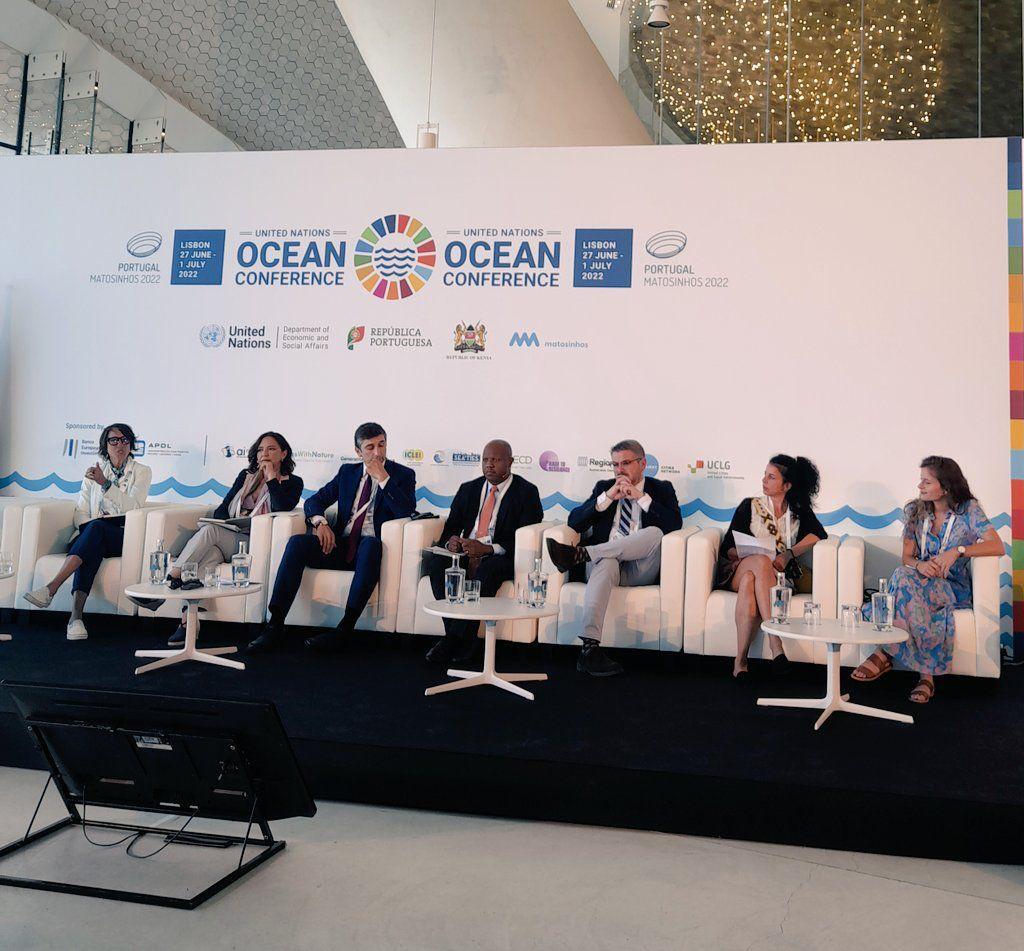
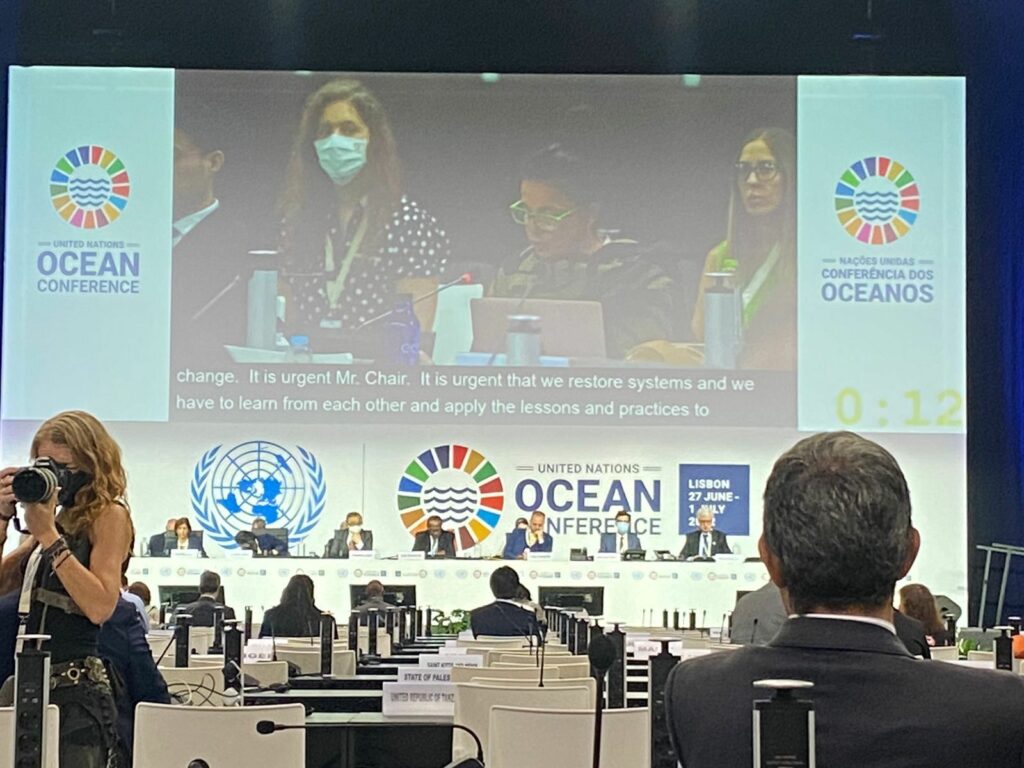
The UN Ocean Conference, co-hosted by the Governments of Kenya and Portugal, took place between 27 June and 1 July 2022 in Lisbon, Portugal, and culminated in delegates adopting a political declaration titled ‘Our Ocean, Our Future, Our Responsibility’. 

The conference brought together national and local governments, UN agencies, and multiple stakeholders across different sectors to explore and identify solutions aimed at finding major structural transformations and common shared solutions, to be anchored in the SDGs. 

Under the theme ‘Scaling up ocean action based on science and innovation for the implementation of Goal 14: stocktaking, partnerships and solutions’, discussions focused on leveraging interlinkages between Sustainable Development Goal 14 (SDG 14 – Conserve and sustainably use the oceans, seas and marine resources for sustainable development) and other SDGs towards the implementation of the 2030 Agenda for Sustainable Development. Throughout the conference, the linkages between SDG 14 and goals related to clean water and sanitation, poverty, food security, health, women, decent work, climate action, cities, terrestrial ecosystems, and partnerships were emphasized.
Svg Vector Icons : http://www.onlinewebfonts.com/icon

Jessie Turner, Director of the International Alliance to Combat Ocean Acidification (OA Alliance) captured the importance of urgent action for oceans: “When talking about climate change impacts on our ocean, we must be clear that while we don’t know everything, we know enough to act. We know enough to begin prioritizing and exploring the key questions that are most important to policy makers, seafood industries and coastal communities. And the good news is…we have lots of existing frameworks across different scales of governance that can be leveraged to take up this work.”

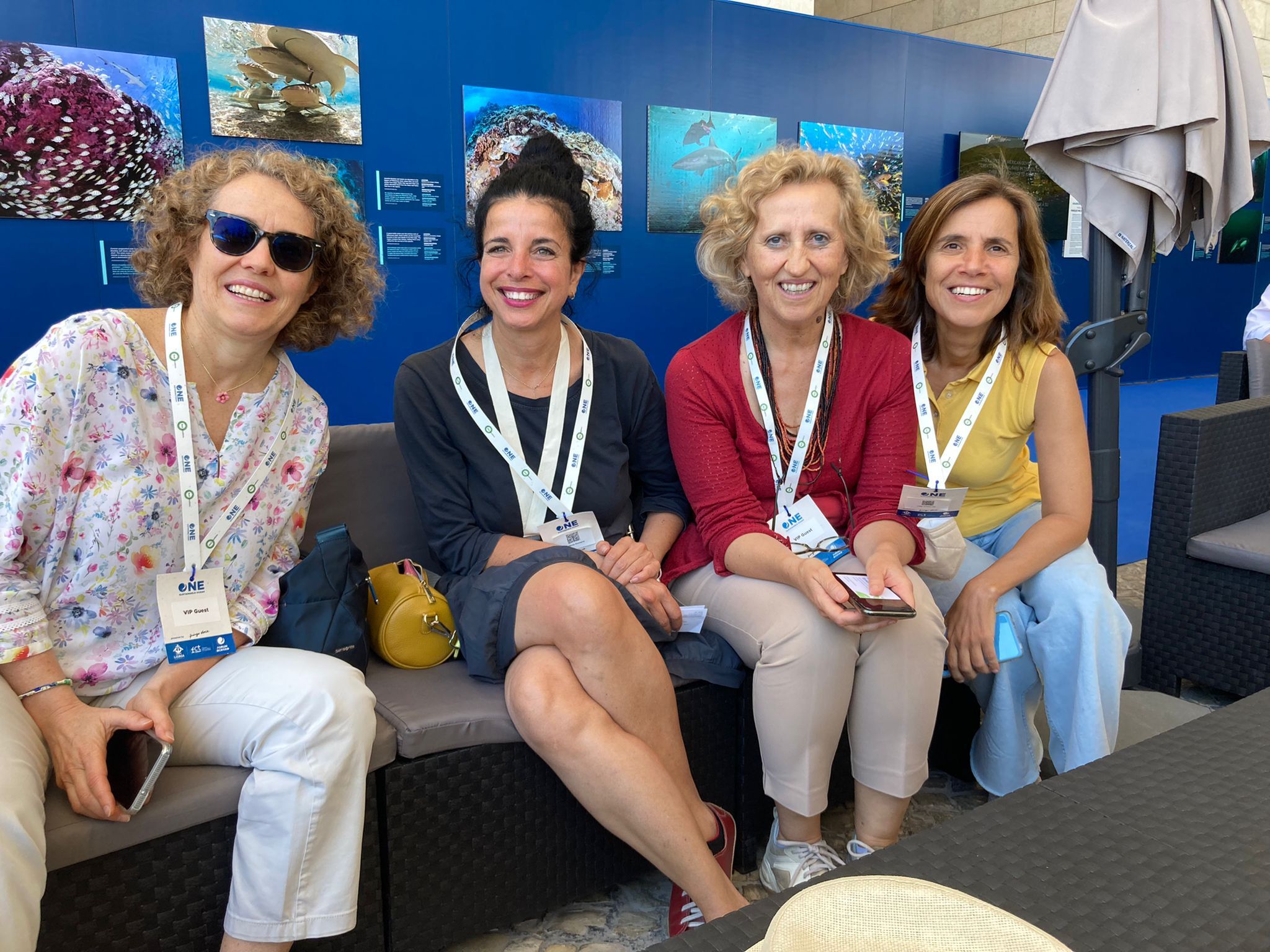
ICLEI – Local Governments for Sustainability and ICLEI’s Cities Biodiversity Center was represented by Kate Strachan – Manager, Climate Change Resilience, ICLEI Africa, and Stefania Romano – Global Coordinator for CitiesWithNature and RegionsWithNature, Recruitment and Advocacy.

During an interactive dialogue titled ‘Leveraging interlinkages between Sustainable Development Goal 14 and other Goals towards the implementation of the 2030 Agenda’, ICLEI emphasized the need for cities to learn from one another and apply these lessons and practices to protect, manage and restore vulnerable urban coastal ecosystems. To achieve this, CitiesWithNature and RegionsWithNature are international partnership initiatives providing a platform to connect local and subnational governments globally with NGOs, experts and communities to act for nature.

By 2025, nearly 6 billion people will live within 200 km of a coastline. Population growth and climate change-related impacts are increasing coastal risks and degrading coastal ecosystems upon which millions depend. Climate change impacts also compound existing pressures, such as pollution from land-based sources, ocean acidification and overfishing. Coastal cities and regions have unique opportunities to mobilize and demonstrate leadership in taking action to protect our ocean and ensure that the ocean and its accompanying coast are sustainably managed.

Svg Vector Icons : http://www.onlinewebfonts.com/icon

“It has never been as urgent as it is today to restore damaged ecosystems,” Stefania said. “SDG 14 offers a great opportunity to advance ocean sustainability globally and address current and emerging threats.” The goal is underpinned by targets addressing the conservation and sustainable use of the ocean, seas and marine resources – including coastal zones – and capacity building for ocean governance. In addition, SDG 14 supports the achievement of SDGs related to poverty alleviation, food security, sustainable blue/ocean economy, and climate change. 

ICLEI was involved in a number of sessions and played a role in bringing to the forefront the role of subnational governments in ocean governance. As evident during the conference, both national and subnational governments are leading the way, taking domestic and international actions that expand climate-ocean policy and financing for this work.

Organizations and partnership initiatives such as ICLEI, CitiesWithNature and RegionsWithNature can facilitate learning from coastal city leaders, while simultaneously seeking deeper integration across climate, ocean and biodiversity commitments. These efforts will advance actions that address climate change, support food security and sovereignty, and increase resilience of marine ecosystems, economies, and communities.  

Despite the delays in pivotal ocean and climate convenings and benchmarks as a result of Covid-19 restrictions, the UN Oceans conference sparked momentum once again, through the notable outcome of the 2022 UN Oceans Conference – the ‘Our Ocean, Our Future, Our Responsibility’ declaration. 

Matosinhos side-event

Prior to the official Conference, a Special Event on ‘Localizing Ocean Action’ was held in Matosinhos (Porto) on 25 of July, convened by the co-hosts of the 2022 UN Ocean Conference, together with the City of Matosinhos, and organized in collaboration with UN DESA, UN Global Compact, the Climate Champions Team, the Global Taskforce of Local and Regional Governments, ICLEI, Regions4 Sustainable Development, Ocean & Climate Platform (OCP), United Cities and Local Governments (UCLG), Resilient Cities Network, the International Association of Cities & Ports (AIVP) and OECD. The special session highlighted urban-ocean linkages, specifically around marine plastic pollution, blue finance, local community development, human rights-based approaches towards transformation, and SDG 14 and the Post-2020 Global Biodiversity Framework. The special event also covered the role of local and regional governments to engage in global efforts and decisions to protect the ocean and maritime resources. The outcomes from the special event were conveyed during the main UN Ocean Conference.  

ICLEI and the OCP co-organized Local Ocean Action Session 1, titled ‘The clock is ticking: How can coastal cities build resilience and incorporate nature-based solutions to protect local populations?’ This session focused on the importance of investing in innovative sustainable solutions, particularly nature-based ones, to combat the impacts of climate change, such as flooding, coastal erosion and rising sea levels. Speakers were invited to share innovative practices implemented by cities and regions. The panel was moderated by Kate Strachan, while Stefania Romano presented CitiesWithNature and RegionsWithNature as the Convention on Biological Diversity-recognized international partnership initiatives providing a platform and connecting local and subnational governments acting for nature. The side-event resulted in the Municipality of Matosinhos joining CitiesWithNature.

Session key messages included

  • Coastal territories adaptation has to be considered at a larger territorial scale. From megalopolis to secondary cities and small towns, the more vulnerable urban areas have to collaborate at the regional scale to better design sustainable coastal adaptation strategies. It is crucial to reinforce cooperation at every level and encourage a “whole-of-society” approach.
  • Climate coastal adaptation is changing towards a new sustainable paradigm. There is no one-fit-all solution. Managed retreat, nature-based solutions, hard and soft coastal protection, technical innovations, early warning systems, raising awareness, and education are all relevant responses that have to be combined, considering the local context. 
  • Key coastal stakeholders all have to be engaged in the global coastal transition for a sustainable blue economy, a well-adapted coastline and an equitable future. Local decision makers, populations, civil society, ports, tourism sector and privates should all be part of a co-construction process. 
  • Coastal adaptation and resilience has to include societal issues. Many communities have a difficult time securing funds and techniques for equitable coastal resilience. Targeting youth and women in terms of livelihood, coastal adaptation might be an opportunity to reduce poverty and social inequalities.

ICLEI in collaboration with Regions4, the Government of Catalonia, UCLG, and the Global Taskforce of Local and Regional Governments co-organized session 3: ‘Strengthening Cooperation, Building Innovative Governance Approaches to protect the ocean. Finding solutions to the complex and multi-dimensional sustainability challenges faced by coastal areas, which are aggravated by climate change, requires an inclusive and innovative governance approach. Building on the previous sessions that focused on impacts and finance, this session focused on governance as a core condition for the implementation of SDG14. 

Session key messages included

  • Local and regional governments have been leading in developing effective solutions through local public service provision, partnerships and initiatives that include and support fishers, and local populations and their know-how and experience must be harnessed to protect our oceans.
  • Co-management approaches among different spheres of government and actors trigger a culture of collaboration and trust thus enabling an ecosystem-based management. These approaches can in turn permeate to other sectors.
  • The achievement of sustainable small-scale fisheries calls for inclusive and participatory governance arrangements, at all levels. This entails meaningful participation, taking into account and addressing existing power imbalances, strengthening stakeholder organizations, such as small-scale fisheries organizations and supporting dialogue and peer learning.
  • Close collaboration among actors must be backed by scientifically recognized data, all facilitated by impartial elements that ensure accountability and transparent, informed and fair processes.
  • The capacity of local and regional governments in building sustainable management models needs to be strengthened. Particularly, the capacity of SIDS and their cities and regions to respond to global challenges in light of increased ocean and sea degradation.
  • Local and regional governments are willing to join the decision-making table on biodiversity and ecosystem conservation, convening a powerful voice one the global agendas, while promoting opportunities for peer-learning, exchange of experiences and scale-up of effective practices.

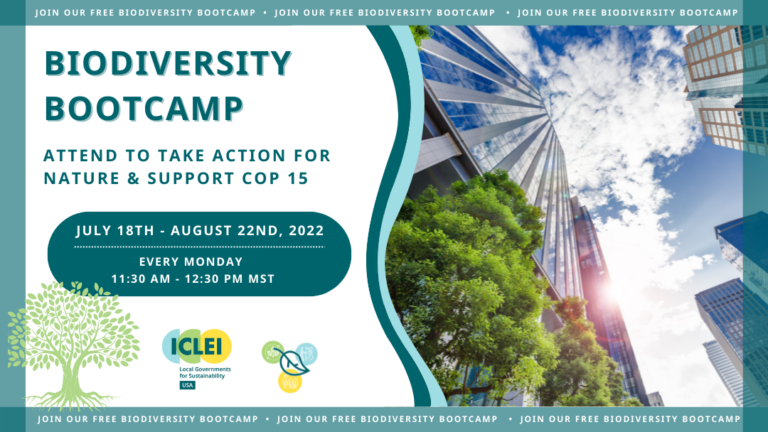
To prioritize nature-based solutions during the “Super Year for Nature” — a year when the global community is calling for nature to have its “Paris Agreement” moment —  ICLEI USA is hosting a six-part “Biodiversity Bootcamp” learning-and-leadership virtual training series open to all U.S. cities, counties, and communities (non-ICLEI members welcome). From July 18 until August 22, 2022, every Monday 11:30 am to 12:30 pm MST, engage with the United Nations Convention on Biological Diversity (CBD) proceedings unlike ever before.

Each Bootcamp session features a unique lens on biodiversity solutions:

  • Session 1: Introduces global frameworks and advocacy at the federal, state, and local levels and outlines the Bootcamp
  • Session 2: Establishes baselines for action in support of nature, showcases natural asset mapping, and features International Union for Conservation of Nature nature-based solutions in cities’ framework
  • Session 3: Explores finance options (crowdfunding, green bonds, grant programs, and making good use of U.S. Infrastructure Bill funds)
  • Session 4: Includes community driven planningfinancing, and implementation of biodiversity solutions within local communities
  • Session 5: Focuses on community engagement and citizen science and explores city-university collaborations and their role in taking action for nature
  • Session 6: Features a ‘putting-it-all-together’ workshop, which includes reviewing success indicators, implementing a natural asset report map, and determining threats to current management

Want to take action for nature and spearhead nature-based solutions in your community? Read more about the free Biodiversity Bootcamp, and register here to be at the forefront of addressing and remediating the global biodiversity crisis.

RegionsWithNature welcomes subnational governments and partners to our webinar on 13 July. Regions, provinces, prefectures or departments that have already joined RegionsWithNature are invited, as well as other regional/subnational governments and partners that would be interested in joining.


Wednesday, July 13, 15:00 – 16:30 CEST
Other time zones: 08:00 Mexico / 09:00 Quebec / 10:00 São Paulo / 22:00 Aichi


The webinar aims not only to keep you updated about RegionsWithNature developments, but also to gather your suggestions, comments and needs/requests for forging the platform accordingly.

We will also present specific case studies on nature work (including on ecological infrastructure, biodiversity management, and restoration) from the Scottish and the Yucatán Governments.

Please contact Stefania Romano at stefania.romano@iclei.org for more information.

Governments converge towards consensus for key elements of the Global Biodiversity Framework to safeguard nature 

Good progress made on issue of Digital Sequence Information 

A process will be developed to advance discussions before COP 15 

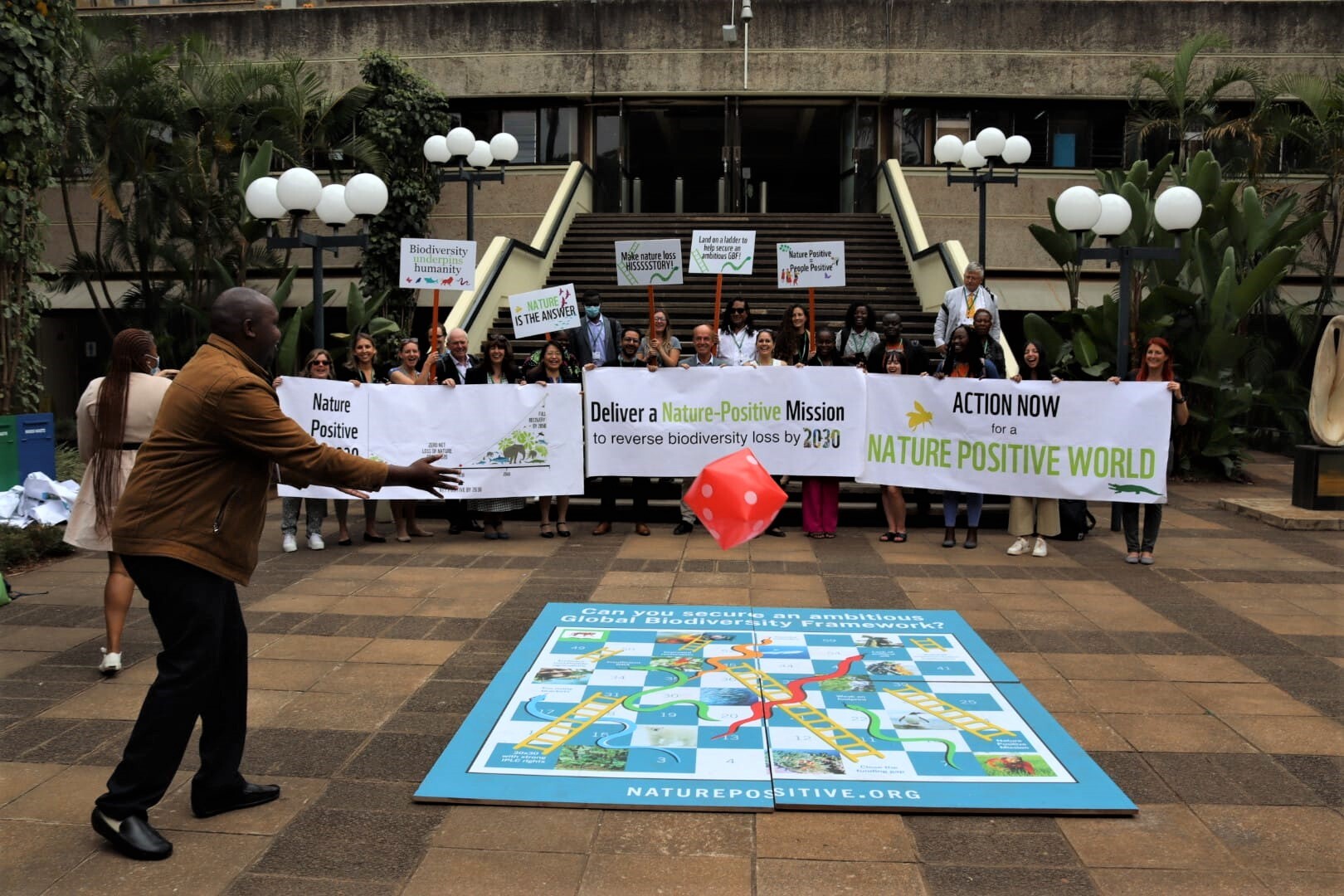
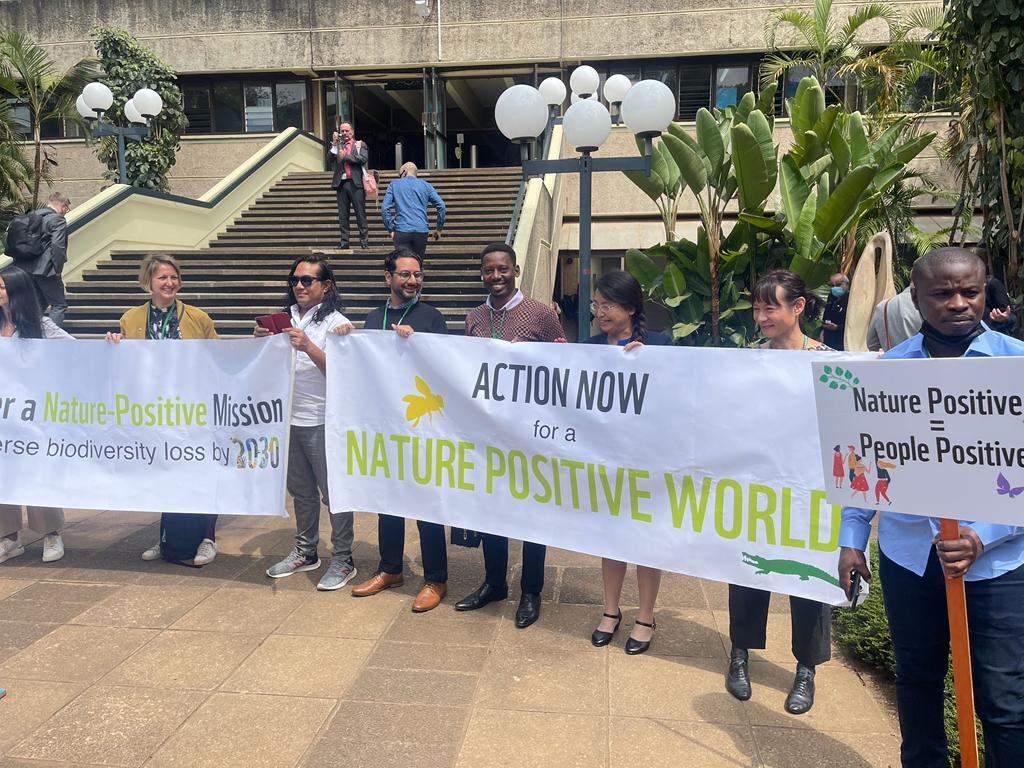
With six days of negotiations behind them in Nairobi, Kenya, Parties to the UN Convention on Biological Diversity advanced a global plan to bend the curve on biodiversity loss, expected to be adopted in Montreal, Canada in December 2022. 

Delegates took the text from the March meetings held in Geneva, rationalized parts of it, achieved consensus on several targets, and proposed diverse options for large parts of the framework. 

Parties set out their ambitions with respect to the goals of the framework, and refined the essential targets related to conservation, sustainable use, and benefit-sharing. They worked to develop a plan for resource mobilization and other means of implementation and highlighted the contribution of nature to climate change mitigation and adaptation. 

Parties also charted the pathway for an agreement on the sharing of benefits from Digital Sequencing Information on genetic resources. Their discussions also strengthened the role of Indigenous peoples, local communities, women, youth, and other stakeholders and to ensure that all voices will be heard, and no one will be left behind. “I want to thank the Parties for their hard work, their commitment to consensus, and honest engagement in these negotiations” said Elizabeth Maruma Mrema, Executive Secretary of the Convention on Biological Diversity. “These efforts are considerable and have produced a text that, with additional work, will be the basis for reaching the 2050 vision of the Convention: a life in harmony with nature.” “I call upon the Parties, in the next months, to vigorously engage with the text, to listen to each other and seek consensus, and to prepare the final text for adoption at COP 15” she said. 

Images courtesy of WWF

Discussions over the week covered the entire framework text, which includes 4 goals, 23 proposed targets, and all of the elements that will enable nations to meet them. Delegates also made progress on the issue of Digital Sequence Information; a separate agenda item related to the framework. 

The important four goals of the framework – A through D, were also a subject of intense discussion: 

Goal A – protecting biodiversity at all levels and preventing extinctions; 

Goal B – ensuring that biodiversity can meet people’s needs and support their human rights;

Goal C – benefits from the use of biodiversity and genetic resources are shared with equity and the traditional knowledge and rights of Indigenous and Local Communities are respected; and 

Goal D – Adequate level of the means of implementation are enabled, including financial resources, capacity building and other supports to action. 

Svg Vector Icons : http://www.onlinewebfonts.com/icon

I want to thank the Parties for their hard work, their commitment to consensus, and honest engagement in these negotiations. These efforts are considerable and have produced a text that, with additional work, will be the basis for reaching the 2050 vision of the Convention: a life in harmony with nature.

I call upon the Parties, in the next months, to vigorously engage with the text, to listen to each other and seek consensus, and to prepare the final text for adoption at COP 15.

A path for work towards COP 15 in Montreal, Canada in December 2022 

Notwithstanding the important advances, a considerable amount of work will be required to advance the text for final high-level consideration by CBD’s 196 Parties at COP15. The Meeting agreed to develop a path forward that includes the engagement of all regions preparing for talks involving all Parties immediately before the second part COP 15. These gatherings would prepare a text for final negotiation by Ministers and their delegations at the second part of COP 15. 

The upcoming UN Biodiversity Conference will be held from 5 to 17 December in Montreal, Canada, under the presidency of the Government of China

The Conference will comprise: 

  • the 15th meeting of the Conference of the Parties to the Convention on Biological Diversity;
  • the 10th meeting of the Conference of the Parties serving as the meeting of the Parties to the Cartagena Protocol on Biosafety; and
  • the 4th meeting of the Conference of the Parties serving as the meeting of the Parties to the Nagoya Protocol on Access and Benefit-sharing.

About the Convention on Biological Diversity (CBD) 

Opened for signature in 1992 at the Earth Summit in Rio de Janeiro, and entering into force in December 1993, the CBD is an international treaty for the conservation of biodiversity, the sustainable use of the components of biodiversity and the equitable sharing of the benefits derived from the use of genetic resources. With 196 Parties, the CBD has near universal participation among countries. The CBD seeks to address all threats to biodiversity and ecosystem services, including threats from climate change, through scientific assessments, the development of tools, incentives and processes, the transfer of technologies and good practices and the full and active involvement of relevant stakeholders including indigenous peoples and local communities, youth, women, NGOs, sub-national actors and the business community. The Cartagena Protocol on Biosafety and the Nagoya Protocol on Access and Benefit-Sharing are supplementary agreements to the CBD. The Cartagena Protocol, which entered into force 11 September 2003, seeks to protect biodiversity from the potential risks posed by living modified organisms resulting from modern biotechnology. To date, 173 Parties have ratified the Cartagena Protocol. The Nagoya Protocol aims at sharing the benefits arising from the utilization of genetic resources in a fair and equitable way, including by appropriate access to genetic resources and by appropriate transfer of relevant technologies. Entering into force 12 October 2014, it has been ratified by 135 Parties. 


More information: David Ainsworth, Information Officer, david.ainsworth@un.org

Terry Collins, tc@tca.tc

Franca D’Amico, franca.damico@un.org 

Website: cbd.int

Twitter: @UNBiodiversity 

Facebook: www.facebook.com/UNBiodiversityConvention 

LinkedIn: linkedin.com/company/unbiodiversity CBD Live

Kunming, China, has become the 244th signatory to the Edinburgh Declaration, a statement of intent that has been agreed between subnational and local governments across the world and calls on Parties to the Convention on Biological Diversity (CBD) to take bold action to halt biodiversity loss.

The Scottish Government, with support from a wide range of partner organizations, proudly hosted the Edinburgh Process for Subnational and Local Governments on the Development of the Post-2020 Global Biodiversity Framework, which began towards the end of April 2020.

The Edinburgh Process brought together delegates from across the world representing all levels of governments, including strong representation from subnational and local governments, as well as indigenous people and local communities, women, youth, NGOs and the business community.

The Edinburgh Declaration for subnational governments, cities and local authorities on the Post-2020 Global Biodiversity Framework, sets out the aspirations and commitments of local and subnational governments for the post-2020 global biodiversity framework, to work alongside CBD Parties in taking transformative actions for nature over the coming decade, to deliver the 2050 vision of ‘living in harmony with nature.’

Svg Vector Icons : http://www.onlinewebfonts.com/icon

I am delighted that the Mayor of Kunming,


has signed the

Edinburgh Declaration –


cementing their commitment to delivering the

post-2020 global biodiversity framework


and joining the call for bold, transformative action to halt biodiversity loss across the globe.

The Edinburgh Declaration also calls for greater prominence to be given to the role that subnational and local governments play in delivering a new global framework of targets and affirms their readiness to meet this challenge.

More specifically, subnational and local governments are calling on CBD Parties to support the adoption at COP15, of a new dedicated decision for the greater inclusion of subnational and local governments within the post-2020 global biodiversity framework.

The Edinburgh Process Partners include the Welsh Government, the UK Government Department for Environment Food and Rural Affairs (Defra), European Committee of the Regions (CoR), ICLEI – Local Governments for Sustainability, the Government of Quebec, Regions4 Sustainable Development, Group of Leading Subnational governments toward Aichi Biodiversity Targets (GoLS), with support from the UN Environment Programme World Conservation Monitoring Centre (UNEP-WCMC), NatureScot, and the Royal Botanic Garden Edinburgh (RBGE).

CitiesWithNature/RegionsWithNature warmly welcomes its newest member to the family, the European Committee of the Regions!

ICLEI, one of the founding members of the CitiesWithNature/RegionsWithNature platform, has been working in close collaboration with the EU CoR for a long time. ICLEI Europe particularly, has played the strong role of supporting the EU CoR in delivering opinions on Biodiversity in relation to the Post 2020 GBF. There have been multiple arenas where ICLEI Europe and EU CoR have joined forces and one prominent example is the Edinburgh Declaration, where EU CoR participates in regular strategic meetings to further the progress on the commitments from the various signatories to the Edinburgh Declaration. 

Building on this strong foundation, ICLEI invited the Committee of the Regions to become a partner to the RegionsWithNature platform. RegionsWithNature aims to strengthen the voice of the regional authorities in the scope of biodiversity and nature-based solutions and make it heard at the national and international levels. By joining RegionsWithNature, CoR unites with ICLEI, Regions4, the Group of Leading Subnational Governments (GoLS), IUCN and other international organizations. RegionsWithNature is also supported by the UN Environment Programme and the Secretariat of the UN Convention on Biological Diversity, with numerous regional and subnational governments already on board, including Yucatán and Campeche in Mexico, São Paulo and Pernambuco in Brazil, Goa in India, the Community of Madrid and Catalonia in Spain, the Western Cape Province in South Africa, Québec in Canada and Scotland in the UK.

We are honored to welcome the European Committee of the Regions (CoR) into the RegionsWithNature initiative and platform, under our shared missions of connecting urban planning and biodiversity conservation.

Svg Vector Icons : http://www.onlinewebfonts.com/icon

Now that there is already a growing momentum towards addressing the climate emergency with the biodiversity crisis in close conjunction, we are delighted to welcome the voice of the European regions through the Committee of the Regions to the RegionsWithNature family.

We are certain that in the context of RegionsWithNature, where there are prominent advocates of strong commitments and pro-active contributions towards more biodiversity in cities and regions such as ICLEI, Regions4, GoLs and IUCN, this partnership will bear fruitful outcomes and greater impacts for the benefit of human and nature.

While CoR is the voice of regions and cities in the European Union (EU), RegionswithNature brings together regional and subnational leaders and their partners from around the world, providing access to tools and resources on nature-based solutions, ecosystem restoration, and biodiversity conservation, and sharing regional commitments to achieving global nature goals.

Svg Vector Icons : http://www.onlinewebfonts.com/icon

Local and sub-national governments are at the forefront of implementing measures to tackle biodiversity loss and ecosystem degradation.

This is why the European Committee of the Regions, as the European Union's assembly of regional and local representatives, strongly supports the objectives of RegionsWithNature. This global platform is an essential tool to showcase regional commitments towards achieving national and global biodiversity targets, with the aim of bolstering regional governments' nature ambitions and ensuring that multi-level governance opportunities for action are maximised.

The path ahead, to meet the demands of the biodiversity agenda specifically the Post-2020 Global Biodiversity Framework, is ambitious and demanding. Promising outcomes for Europe and the world in halting biodiversity loss and restoring ecosystems on a large scale requires inclusive partnerships built upon shared principles and values for implementing concerted and successful actions. Thus, with EU CoR committing to take an active role in the global biodiversity arena by joining RegionsWithNature, we are certain that we are on the right track with collective strong ambitions to make a positive change.

Urbanization is one of the key defining mega-trends of our time. Four billion people, about half of the world’s population, currently live in urban areas. This number is expected to dramatically increase with the predicted rise in urbanization rates. According to The Nature in the Urban Century report, authored by The Nature Conservancy, Future Earth and The Stockholm Resilience Centre, by 2050, there will be 2.4 billion more people in cities, a rate of urban growth that is equivalent to building a city the population of London every seven weeks. Humanity will urbanize an additional area of 1.2 million km2, larger than the country of Colombia.

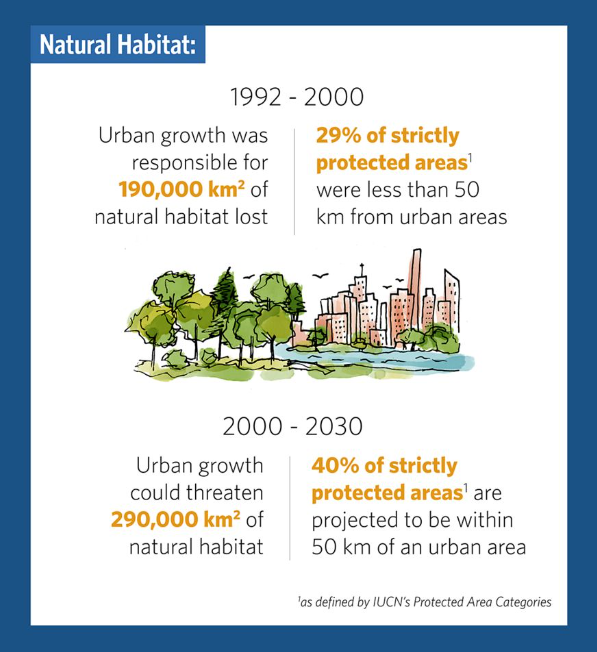
The report also found that if current trends continue over the next two decades, urban growth will threaten more than 290,000 km2 of habitat — an area larger than New Zealand. Protected lands are increasingly in close proximity to cities, with 40% of strictly protected areas anticipated to be within 50 km of a city by 2030.

The urbanization trend poses a major threat to several critical ecosystems, including wetlands. Wetlands can play a crucial role in urban biodiversity, and in maintaining ecosystems and the well-being of urban communities. When preserved and sustainably used, urban wetlands can provide cities with multiple economic, social and cultural benefits. During storms, urban wetlands absorb excess rainfall, which reduces flooding in cities and prevents disasters and their subsequent costs. The abundant vegetation found in urban wetlands acts as a filter for domestic and industrial waste and contribute to improving water quality.

As cities grow and the demand for land use increases, the tendency is for development to encroach on wetlands, because they are often perceived as wastelands that can be used as dumping grounds or converted for other land uses.

Urban wetlands are prized assets, not wasteland, and therefore should be proactively conserved and integrated into the development and management plans of cities. The Convention on Wetlands (also known as the Ramsar Convention) is promoting cities that take exceptional steps to protect their wetlands and benefits to people, by giving credit to cities that prioritize their urban wetlands through an accreditation scheme.

The 172 Contracting Parties to the Convention on Wetlands have agreed to the conservation and wise use of wetlands in their territories. Recognizing the importance of cities and urban wetlands, the Convention introduced a Wetland City accreditation scheme in 2015 (Resolution XII.10). This voluntary scheme provides an opportunity for cities that value their natural and/or human-made wetlands to gain international recognition and positive publicity for their efforts. Cities must apply to be accredited and they have to show that they comply with a number of criteria, including exceptional protection, care and wise use of their wetlands through a range of mechanisms such as urban planning and education.

2018

During the first cycle of the City Accreditation Scheme, the 18 cities that qualified for accreditation were announced at the Convention of Wetlands COP13 in 2018. These 18 cities were:

  • China: Changde, Changshu, Dongying, Haerbin, Haikou, Yinchuan
  • France: Amiens, Courteranges, Pont Audemer, Saint Omer
  • Hungary: Lakes by Tata
  • Republic of Korea: Changnyeong, Inje, Jeju, Suncheon
  • Madagascar: Mitsinjo
  • Sri Lanka: Colombo
  • Tunisia: Ghar el Melh

The intention is that The Wetland City Accreditation scheme will encourage cities in close proximity to and dependent on wetlands, especially Wetlands of International Importance, to highlight and strengthen a positive relationship with these valuable ecosystems, for example through increased public awareness of wetlands and participation in municipal planning and decision-making. The Accreditation scheme should further promote the conservation and wise use of urban and peri-urban wetlands, as well as sustainable socio-economic benefits for local people.

During the 59th meeting of the Convention on Wetlands Standing Committee on 26 May 2022, the Co-Chairs of the Convention on Wetlands Independent Advisory Committee on Wetland City Accreditation announced that 25 applicant cities had been accepted in recognition of their exceptional efforts to safeguard urban wetlands for people and nature.

Congratulations to the cities that have been accredited! One of the cities, Cape Town, is one of the pioneer CitiesWithNature – a global partnership initiative that recognizes and enhances the value of nature in and around cities across the world. The 2022 accredited cities are:

2022

During the second cycle of the City Accreditation Scheme, 25 cities qualified for accreditation and were announced during the Convention on Wetlands Standing Committee of May 2022. These newly accredited cities will be formally recognized during the COP14 of the Convention on Wetlands, to be held in November 2022.

These 25 cities are:

  • Canada: Sackville
  • China: Hefei; Jining; Liangping; Nanchang; Panjin; Wuhan; and Yangcheng
  • France: Belval-en-Argonne and Seltz
  • Indonesia: Surabaya and Tanjung Jabung Timur
  • Islamic Republic of Iran: Bandar Khamir and Varzaneh
  • Iraq: Al Chibayish
  • Japan: Izumi and Niigata
  • Morocco: Ifrane
  • Republic of Korea: Gochang; Seocheon; and Seogwipo
  • Rwanda: Kigali
  • South Africa: Cape Town
  • Spain: Valencia
  • Thailand: Sri Songkhram District
Svg Vector Icons : http://www.onlinewebfonts.com/icon

The UN Secretary General, António Guterres, has said the world is at war with nature and we should make peace with it. The youth are telling us they are tired of ‘blah blah blah’ and ‘more of the same’. And the CBD Executive Secretary, Elizabeth Maruma Mrema, has challenged us to take action urgently to implement the Edinburgh Process and amplify this at the 7th Summit of Cities & SNGs at COP15. The time to take ACTION is NOW.

The WorldBio 2022 event was convened on 7-9 June 2022, co-hosted by São Paulo State and the Secretariat of the Convention of Biological Diversity, in collaboration with ICLEI and Regions4, supported by the Post-2020 Biodiversity Framework EU Support and GIZ and organized by ACIA (The Cunhambebe Association of the Friends of Ilha Anchieta). The event focused on accelerating projects and mobilizing resources and funding for implementation of the Global Biodiversity Framework (GBF) and Plan of Action 2030 on engaging subnational governments, cities and other local authorities.

WorldBio 2022 sought projects and initiatives that will contribute to implementing the new global biodiversity targets and the Plan of Action for local and subnational governments, to:

i)

show the world that cities, states, provinces and prefectures are taking action to make a difference;

ii)

stop the destruction of biodiversity, ecosystems and the planet; and

iii)

put the world on a path of restoration, healing and recovery.

The event consisted of 600+ delegates for discussions around the following five themes:

  • Messaging and the governance of communication, environmental education and public awareness (CEPA);
  • The city level: upscaling urban nature-based solutions, ecosystem-based approaches and urban ecosystem restoration;
  • The subnational level: green & blue economy & incentive and finance instruments for land- and seascape level biodiversity actions and projects, within all the ecosystem services’ benefits, considering vertical and horizontal integration;
  • Protected Areas and other effective area-based conservation measures (OECMs) – identifying public-private synergies for connectivity, highlighting coastal and marine areas; and
  • Science, knowledge generation and monitoring: focusing on pilot exchanges; setting science-based indicators and reporting; technology transfer and capacity building systems for all of the above activities, with priority on tropical forests – highlighting reforestation as well as urban forestry and agriculture, and nature-sensitive renewable energy.

WorldBio 2022 resulted in many fruitful discussions and progress, with the following key outcomes:

Five webinars will be convened in August or September (one webinar for each of the above themes) to build a better geographical balance in identifying projects and compiling a portfolio of projects that will contribute to the implementation of the GBF and Plan of Action;

Reviewing and refining of the concept proposal on the transition from the WBio2022 Event to the WBio Process to propose an appropriate institutional arrangement (the Pre-Governance Platform);

The WorldBio Process will be integrated with COP15 (part 2) and the 7th Global Biodiversity Summit of Cities, Edinburgh Process Partners, CitiesWithNature and RegionsWithNature, Regions4 Biodiversity Learning Platform, Advisory Committee on Sub-National Governments and Biodiversity, Group of Leading Subnational Governments towards Aichi Biodiversity Targets, and with other themes – particularly on Bioeconomy and Green and Blue Economy; and

Opportunities were explored to provide capacity building and resources to support cities and subnational governments in preparing bankable projects, identifying appropriate finance instruments to implement projects and meet requirements of donors.

Svg Vector Icons : http://www.onlinewebfonts.com/icon

WorldBio2022 is a factory of projects enhancing inclusive local governance in transitioning to an economy harmonious with nature. It is therefore instrumental on the way towards COP15... AFD aims to feed strategically and operationally the dialogue among partners for financing projects and programmes in response to their demands. Aware that healthy and well-managed ecosystems are key for shared prosperity, AFD has the ambition to prioritize projects with a biodiversity-related content, creating and strengthening protected areas, conserving terrestrial, coastal and marine ecosystems, and supporting global initiatives that help protect 30% of the planet.

This was supported and reiterated by Oliver Hillel, a Programme Officer at the CBD Secretariat, and by Ingrid Coetzee from ICLEI.

Svg Vector Icons : http://www.onlinewebfonts.com/icon

ICLEI supports the idea of the WorldBio2022 as a factory of projects as it will help accelerate local action for biodiversity and ecosystem restoration. Also global partnership initiatives like CitiesWithNature and RegionsWithNature, are well-placed to support cities and subnational governments globally in channeling specifically biodiversity and nature projects.

ICLEI and its partners, such as Regions4 and the Advisory Committees on Cities and subnational governments, represent the group of local and subnational governments in the CBD, and advocate for the voice and ambitions of local and subnational governments in the CBD and its processes. This has resulted in the CBD’s recognition of cities and subnational governments as a major group, and their important contributions to achieving global biodiversity targets. In addition, Edinburgh Process, which culminated in the Edinburgh Declaration has resulted in an ambitious draft decision and Plan of Action for engaging local and subnational governments to be adopted at CBD COP15.

Register now for Connective Cities’ session on planning for sustainable infrastructure titled ‘Green infrastructure: Guidance & recommendations for overcoming the implementation gap in cities’. The event will take place online on 8 June 2022 14:00 – 16:00 (CEST).

What exactly is meant with ‘Green Infrastructure’?

The European Commission defines Green Infrastructure as “a strategically planned network of natural and semi-natural areas with other environmental features designed and managed to deliver a wide range of ecosystem services such as water purification, air quality, space for recreation and climate mitigation and adaptation.”

There are already many innovative strategies and practices on local level in place when it comes to sustainable urban planning, urban greening, and land-use as well as ecosystem-based management practices. However, there is also a lack of systematic implementation of urban green infrastructure and underpinning cross-sectoral governance and management arrangements as well as access to these practice-oriented solutions and the relevant contacts.

To this end, Connective Cities and in partnership with NetworkNature is organising this session that focuses on the main barriers of green infrastructure implementation. The session also aims at highlighting best practices and experience of European and international cities in overcoming these barriers as well as introducing the audience to available guidance and resources.  The session showcases the findings of the scientific opinion paper drafted for the German Environment Agency, and a mapping of remaining nature-based solutions knowledge and implementation gaps performed as part of the H2020 project NetworkNature. The session also aims at highlighting best practices and experience of European and international cities in overcoming these barriers as well as introducing the audience to available guidance and resources.

The prestigious, well-established and respected Group of Leading Subnational Governments toward Aichi Biodiversity Targets (GoLS) and the Aichi Prefecture have joined the global RegionsWithNature partnership initiative.

GoLS and its members, that include the Aichi Prefecture, ANAAE, Campeche, Catalonia, Gangwon, Jiangsu, Ontario, Quebec and São Paulo, have stood firmly on matters related to subnational and regional governments’ collective action. Subnational governments, including States, Provinces, Regions, and Prefectures, are key in implementing actions and achieving results for the conservation and the sustainable use of biodiversity, and their active contributions are essential to achieving the Aichi Biodiversity Targets.

The Aichi Prefecture has been the key subnational government in implementing the Aichi Targets since their adoption at the 2010 biodiversity CBD COP10, held in Nagoya, the capital city of the Aichi Prefecture. It is at this COP that, for the first time, CBD Parties endorsed and adopted the Plan of Action on how to mobilize subnational and local governments to bring national strategies and plans addressing global biodiversity issues into a local context.

The Aichi Prefecture has taken important action in pursuing the local and subnational agenda and creating communities that support rich and abundant biodiversity, for humans and nature to live in harmony.

The Aichi Prefecture has joined RegionsWithNature as a founder under the leadership of Governor Ohmura and has shown its determination to be actively involved, together with ICLEI, in promoting nature conservation activities in municipalities around the world. Aichi Prefecture is a metropolitan area with a thriving manufacturing industry, but also a region rich in nature, with forests, rivers and a long coastline. Aichi Prefecture is committed to working with other local and subnational governments and other actors participating in RegionsWithNature in order to implement effective measures to harmonize the environment and the economy.

Today, as global sustainability is becoming an ever more pressing issue, and as local government involvement is seen as a pivotal condition for fair and just transition on the ground, Parties are reaffirming the importance of involving local and subnational governments in the global suitability agenda including in the context of climate crisis.

Svg Vector Icons : http://www.onlinewebfonts.com/icon

This is our time to make a significant contribution and make a concrete and substantial difference. National governments should embrace multilevel cooperation and local and subnational governments need to scale up actions.

Fortunately, frameworks for international action are in place and we can step up our efforts through and with RegionsWithNature to achieve our common goals. ICLEI Japan will work together with GoLS and the Aichi Prefecture in addressing the underlying causes of biodiversity loss by mainstreaming biodiversity across all levels of governments in Japan and elsewhere around the globe.

The Convention on Biological Diversity was fortunate to have the local and subnational governments across the globe advancing and accumulating experience based on the Plan of Action in 2010. But further actions are needed.

With GoLS joining RegionsWithNature as a partner, we add an important ally to strategically move ahead, together with the other founding partners, ICLEI, Regions4, the European Committee of the Regions, the IUCN and global bodies like the UN Environment Programme and the Secretariat of the UN Convention on Biological Diversity.

The Aichi Prefectural Government in Japan comes in as well, along with the founding subnational governments, namely Yucatán and Campeche in Mexico, São Paulo and Pernambuco in Brazil, Goa in India, the Community of Madrid in Spain, the Western Cape Province in South Africa, Québec in Canada.

Svg Vector Icons : http://www.onlinewebfonts.com/icon

We warmly welcome GoLS and the Aichi Prefecture joining RegionsWithNature and recognize Governor Ohmura’s leadership in building a lasting legacy from the landmark COP10 in Nagoya in 2010 and creating ecological networks for taking effective and urgent actions to halt the loss of biodiversity.

Our ICLEI office in Japan, through Executive Director, Togo Uchida, is ready to continue advising GoLS on their journey in RegionsWithNature, as we share the mission, scope and objectives in restoring our natural environment for a systemic transformation to more sustainable, inclusive and green societies.

Amidst environmental challenges of unprecedented scale and urgency there is reason for hope, as we come together, strengthening tools, resources, and decisive action for shifting to a sustainable future. Local and subnational governments are looking forward to the adoption of an updated, strengthened and more ambitious Plan of Action on engagement of subnational governments, cities and other local authorities to enhance the implementation of the post-2020 Global Biodiversity Framework (GBF), at the Biodiversity COP 15 in Kunming, China later this year. This will put local and subnational governments on a trajectory to optimize their contributions to achieving global and national biodiversity targets and the vision of living in harmony with nature.