This World Cities Day, CitiesWithNature celebrates 100 Pioneer Cities having joined the initiative

As the CitiesWithNature platform continues to grow, we encourage many more cities to join this global initiative aimed at protecting and enhancing nature, and building resilience in cities across the world.  

CitiesWithNature is a global platform for cities and other subnational governments, their communities and experts to connect, share and learn from each other in mainstreaming nature into our cities in ways that benefit both people and nature.

“I am delighted to see the growing interest of cities in urban biodiversity, an issue that plays a crucial role for resilient cities and the well-being of their citizens,” said Mayor Valérie Plante of the City of Montréal & ICLEI’s Global Ambassador for Local Biodiversity.

The first CitiesWithNature pathway, called the Nature Pathway, has been designed to guide cities through a series of twenty-seven steps, each dealing with a milestone in the process of mainstreaming nature and implementing nature-based solutions. It is based on an established methodology which has been refined and tested by ICLEI and others over many years. Through the pathway, cities are able to share their policies, plans, commitments, actions and results related to nature, and access a wide variety of practical resources and innovative tools, projects, services and information offered by leading global organizations and experts.


Recently, the Intergovernmental Science-Policy Platform on Biodiversity and Ecosystem Services (IPBES) released a report that estimated that one million species are threatened with extinction and that extinction rates are only accelerating. The report found that the current global response is insufficient and transformative change is urgently needed.

Many cities are embracing their role as catalysts for this much-needed transformative change, and are sharing and showcasing their work through the CitiesWithNature platform.

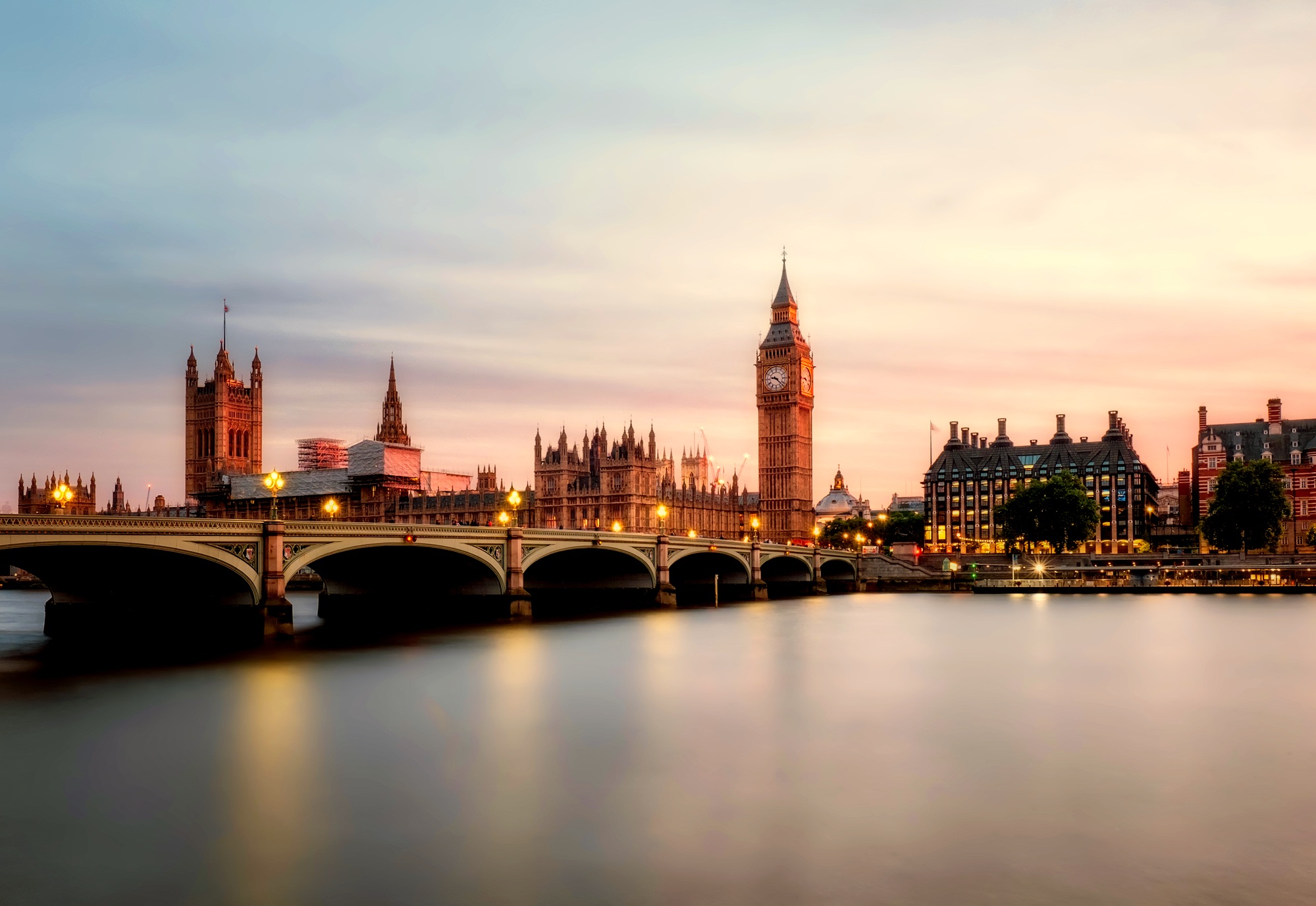
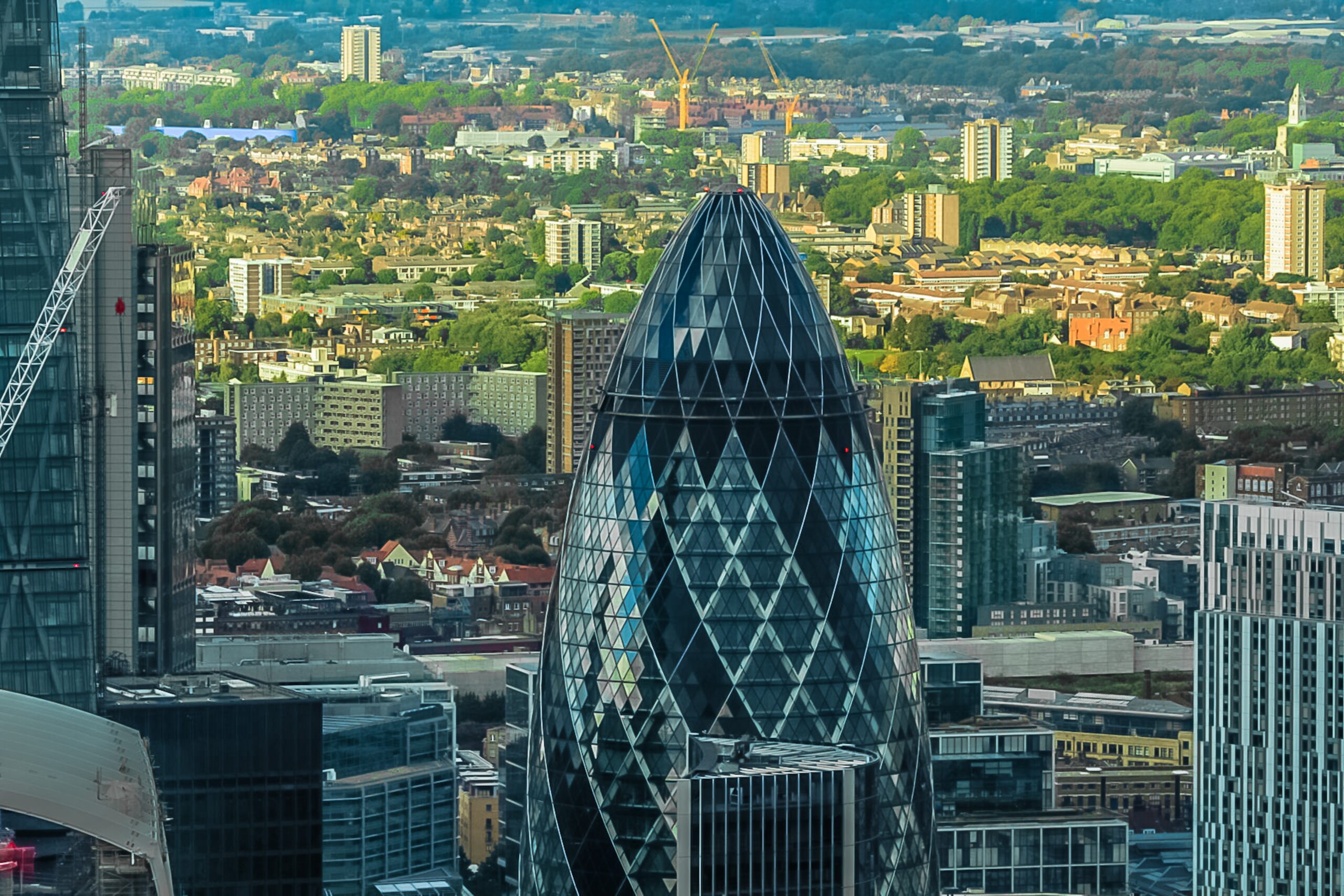
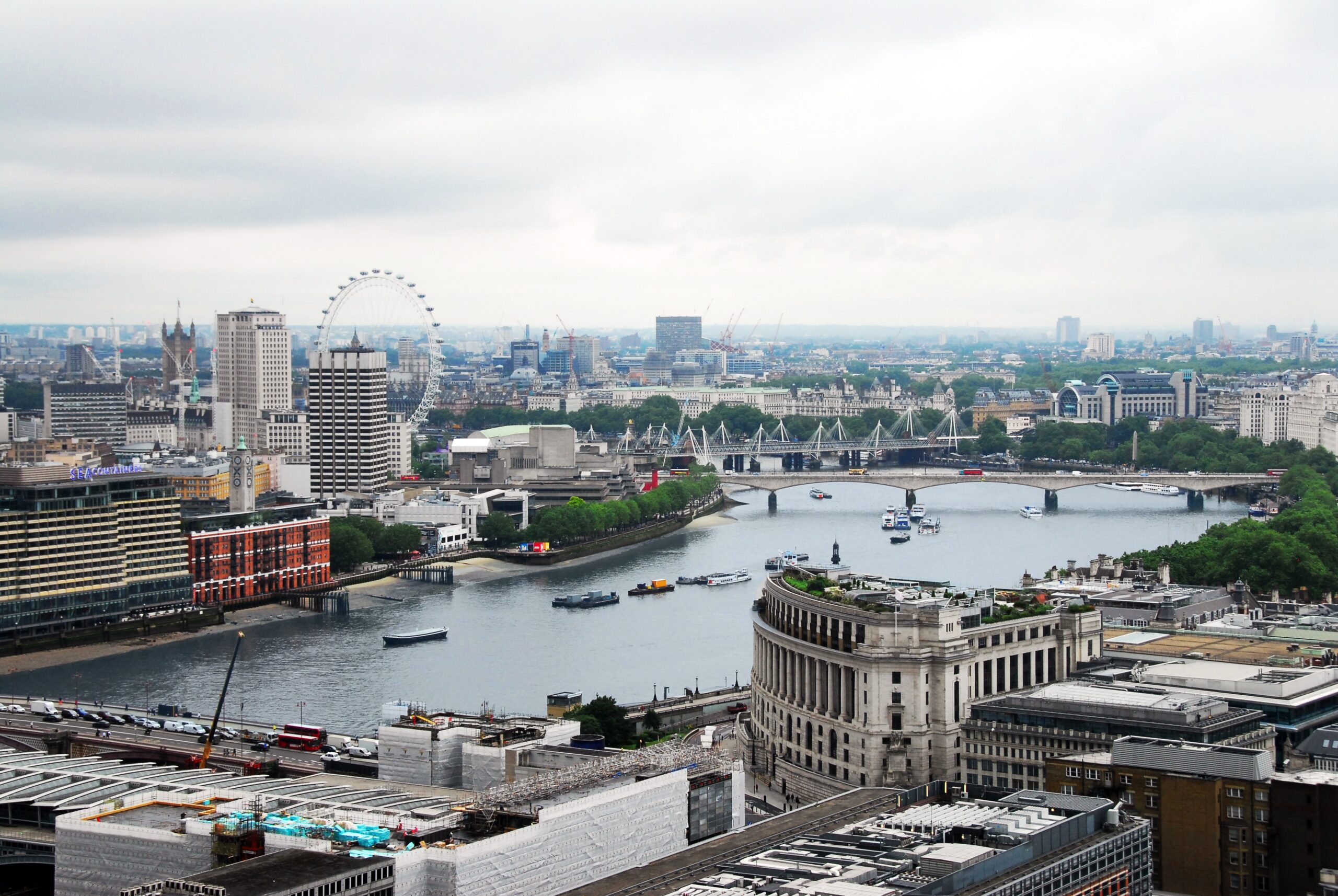
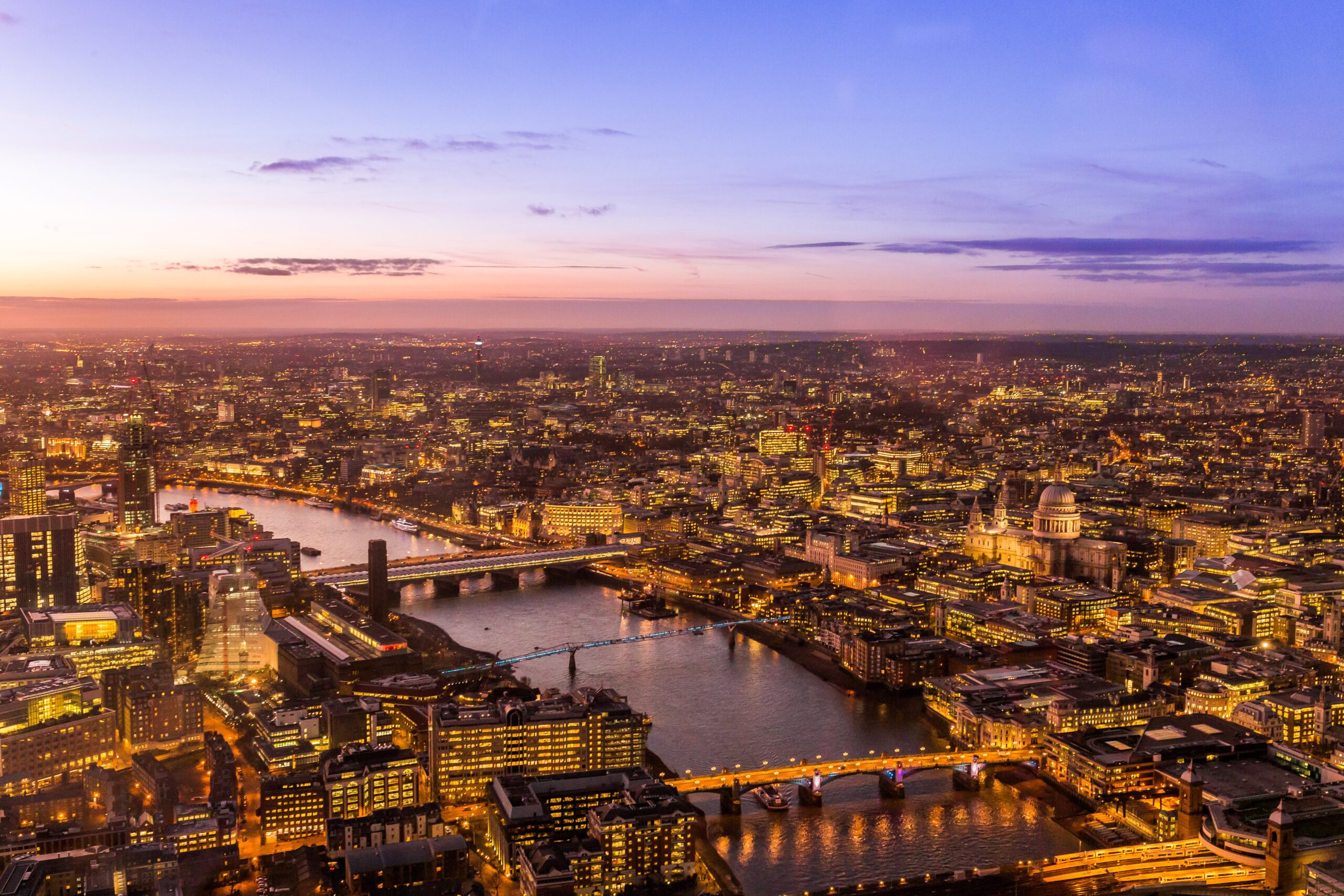
London, who joined as the 100th Pioneer City, is providing a leading example of concrete action towards conserving, restoring and living in harmony with nature in our cities:

  • Through his work to make London a National Park City, Mayor Khan has engaged public agencies, businesses, and Londoners to join the efforts to green the city, while funding programmes through his £12million ($15.4million) Greener City Fund. So far, these programmes have resulted in the planting of over 175,000 trees and 200 green spaces being improved, covering 175 hectares across London, with more to come.
  • Mayor Khan’s London Plan (due to be published in 2020) includes an ‘Urban Greening Factor’, which will require developers to include ‘urban greening measures’ in new building developments. They will be encouraged to include interventions such as street trees, green roofs, green walls, and rain gardens as integral parts of the design.
  • The Urban Greening Factor approach will be aided by London’s Green Infrastructure Focus Map. A tool which help’s decision-makers identify where green infrastructure improvements and investments might be best targeted, and what kind of interventions might be most useful for the needs of a specific area.
  • Through his Natural Capital Account, Mayor Khan has also identified the true economic value of London’s green spaces. This is informing and improving decision-making by framing public green spaces as economic assets, highlighting the range and value of the societal benefits they provide.

Keep up with what London is doing and sharing by viewing their city profile on CitiesWithNature, which is a summary of the city’s commitment and work in this area, and a celebration of its natural assets.

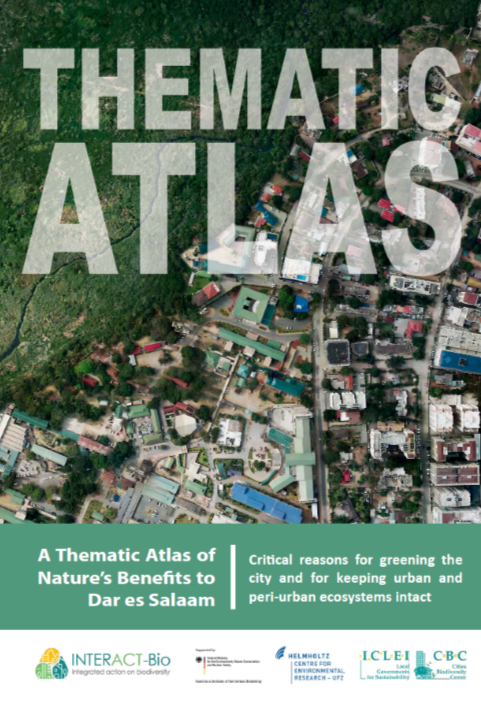
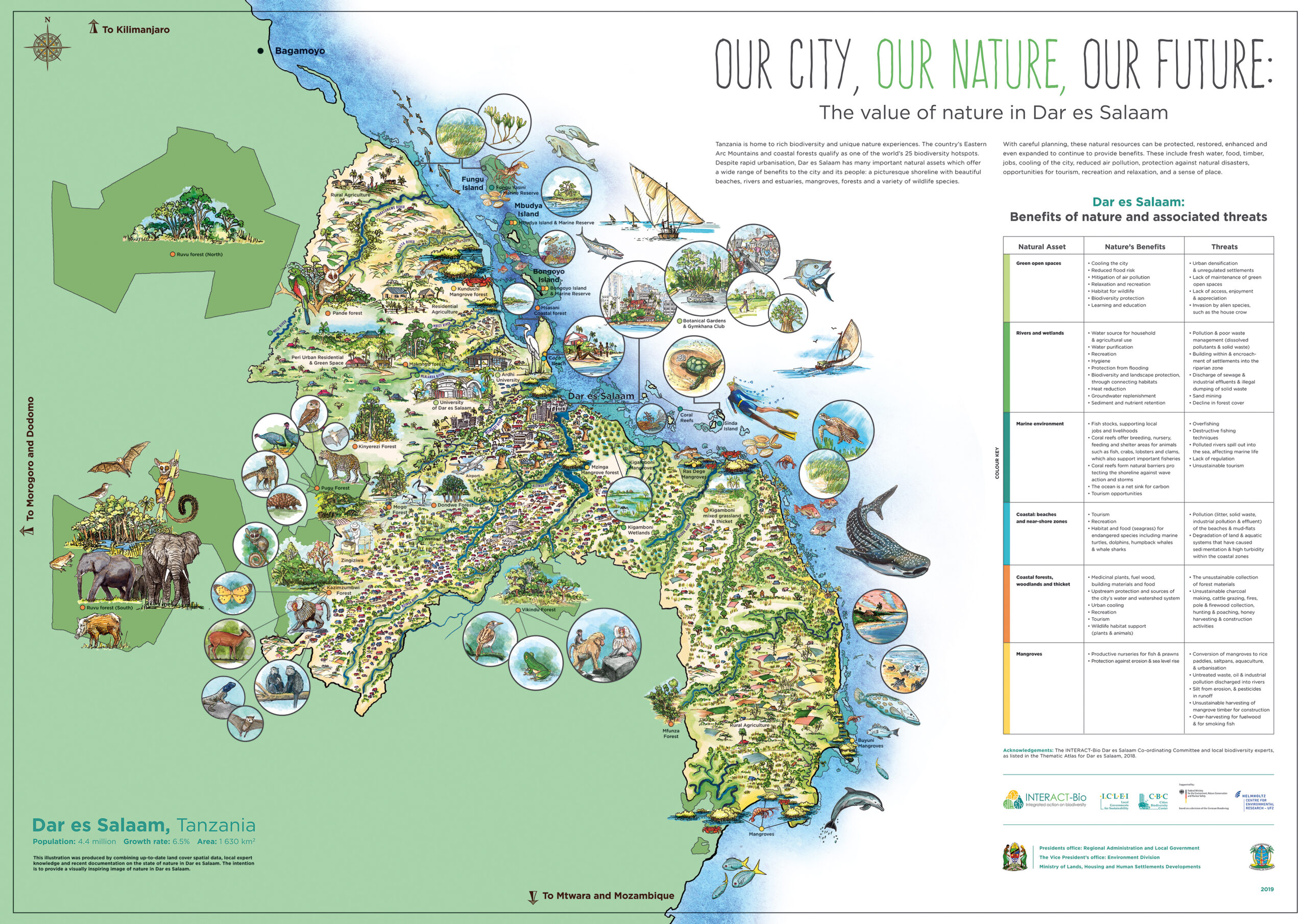
On World Cities Day, Dar es Salaam, another leading Pioneer City of the CitiesWithNature initiative, continues to demonstrate its commitment to protecting and mainstreaming nature through the development and launch of the Thematic Atlas of Nature’s Benefits to Dar es Salaam.

The Atlas comprises a collection of maps that showcase the city’s natural assets, their importance for the local economy and the wellbeing of its people. Produced as part of the INTERACT-Bio project, it will help urban planners make informed decisions. The Atlas highlights the social benefits of green open space and vegetated areas in the City. Each ‘theme’ in the atlas represents an urban challenge, such as rising urban heat, air pollution or flooding, and how urban nature can address these issues. An accompanying illustrated poster provides a beautiful snapshot of the city’s natural assets

CitiesWithNature was developed out of a need by cities and has a long history, building on previous international programs. The Partnership Initiative was founded by ICLEI, The Nature Conservancy (TNC) and the International Union for the Conservation of Nature (IUCN), along with supporting bodies such as the Secretariat of the Convention on Biological Diversity (SCBD) and a range of other global partners.

The platform has also been endorsed by the SCBD as the official vehicle through which cities and subnational governments can share and report on their biodiversity commitments and ambitions towards the Action Agenda for Nature and People and in shaping the post-2020 Global Biodiversity Framework.

CitiesWithNature is open to all cities and subnational governments, regardless of size or level of progress in working with nature. It is structured in such a way that cities can decide how involved they want to be. The more actively they engage and contribute, the more benefits they will receive. There is no fee associated with joining CitiesWithNature. Initially, a commitment, along with some basic information, is all that is needed to register and start participating.

To join London, Dar es Salaam and many other leading cities on this journey, please visit https://www.citieswithnature.org/join/ and follow CitiesWithNature on Twitter @CitiesWNature.

Forests sequester about one third of greenhouse gas emissions, yet only a handful of U.S. communities include trees in GHG inventories.


Washington, D.C. (August 19, 2019)
 – Today, ICLEI–Local Governments for Sustainability USA (ICLEI) unveiled new guidance that enables U.S. cities and counties to include forests and trees within their greenhouse gas (GHG) emissions accounting, a key activity to ensure representation of local forestry and land use consideration in climate action planning. Developed in partnership with the Woods Hole Research Center and World Resources Institute (WRI), and funded by Climate and Land Use Alliance (CLUA) and Doris Duke Charitable Foundation, the Forest and Land Use Appendix to ICLEI’s U.S. Community Protocol for Accounting and Reporting of Greenhouse Gas Emissions will help fill a critical gap in enabling communities to develop climate action related to land management at a local level.

Forests and trees sequester about a third of the greenhouse gas emissions that humans emit every year; however, a study conducted by ICLEI showed that 60 percent of U.S. community respondents did not include forests or trees in their greenhouse gas inventories due to a lack of guidance on how to do so.

“Failing to include forest and trees within U.S. climate action plans — which serve as such a critical component to meeting global climate mitigation goals — simply due to lack of available guidance was a huge missed opportunity,” said Angie Fyfe, Executive Director, ICLEI USA. “The U.S. has some of the best data on land use, we couldn’t let limited expertise on how to put these numbers together be the cause for inaction.”

More than 3,500 people have downloaded The U.S. Community Protocol since 2012. The Forest and Land Use Appendix of the Protocol provides, for the first time, guidance to U.S. communities for estimating the emissions and removals from forests. The Appendix also considers “trees outside forests”, including urban trees and trees in croplands, which are often overlooked in national assessments.

The protocol was piloted with Montgomery County, Maryland; Los Angeles County, California; and Whatcom County, Washington; representing the dramatic spectrum of climate and land cover across the country.

“Montgomery County jumped at the opportunity to explore the sequestration benefits associated with trees and forests,” said Marc Elrich, County Executive, Montgomery County, Maryland. “Given our aggressive GHG reduction goals of 80 percent by 2027 and carbon neutrality by 2035, increased sequestration must be in the mix of strategies we employ. The new protocol also has prompted us to think more deeply about natural climate solutions ranging from reducing the heat-island effect to increasing sequestration in the agricultural sector.”

“The protocol provides a baseline for communities to start acknowledging the climate benefits that come from leaving forests and trees standing, increasing tree canopy cover in cities and incorporating trees into agricultural landscapes,” said Nancy Harris, Forest Program Research Manager at World Resources Institute and co-author of the protocol. “Having this guidance at a sub-state level is critical, given most decisions around land use are made at a very local scale.”

ICLEI USA has revised its ClearPath GHG emissions management software tool with new calculators that will allow communities to develop GHG inventories with land use in mind from the outset and is encouraging its member communities to see the new guidance to consider how forests and trees can be integrated into climate action plans.

Download the U.S. Community Protocol for Accounting and Reporting of Greenhouse Gas Emissions

CitiesWithNature: ­­

#1 Recognizes that all cities depend on healthy, interconnected ecosystems within and around them, and that now, more than ever, there is a need to unite and embrace nature.

#2 Connects cities and other levels of subnational government directly with each other, and with experts and urban communities, through a ‘whole of society’ approach.

#3 Provides cities and others a dynamic, free space to demonstrate their commitment to plan and live with nature, and showcase their innovative work.

#4 Offers a user-friendly digital interface for cities, experts and urban communities to share ambitions, policies, plans and actions, and join the growing movement of partners standing together to influence and implement the ‘New Deal for Nature’.

#5 Introduces cities to a wide variety of innovative tools, projects, research and services offered by leading global organizations to support the mainstreaming of nature into planning and development processes for building resilient cities.

#6 Guides the cities and regions who commit to taking action – regardless of their size, level of ambition or starting point – along a journey towards enhancing the value of nature in and around urban areas.

#7 Keeps cities, experts and urban communities up to date with current global agreements and ambitions, and how they can get involved in the processes and negotiations.

#8 Strengthens collective action at the local level to achieve global impact, by co-creating a ‘big tent’ that will build and grow a global community of practice on biodiversity and nature-based solutions.

#9 Advocates for local and subnational governments to be recognized as central to the global biodiversity agenda, and coordinates the voice of this constituency through a ground-breaking engagement mechanism, endorsed by the Secretariat of the Convention on Biological Diversity.

# 10 Enables strengthened collective and large-scale action to conserve and restore biodiversity in and around cities and overcome the effects of climate change, to prevent irreversible loss and damage to the natural systems we depend on.


Mayor Valérie Plante of the City of Montréal will take up the role of ICLEI’s Global Ambassador for Local Biodiversity. The position will shine a spotlight on the role of cities to address the biodiversity extinction crisis and advocate for the protection of nature and biodiversity by local governments.

In May, the Intergovernmental Science-Policy Platform on Biodiversity and Ecosystem Services (IPBES) released a report that estimated that globally one million species are threatened with extinction today and that extinction rates are accelerating.

With half of the global population living in cities and rapid urbanization exerting pressure on fresh water supplies and the living environment, cities and urban communities have a critical role to play in addressing the biodiversity extinction crisis.

Newly appointed ICLEI Global Ambassador for Local Biodiversity, Mayor Plante is calling on Mayors around the world to join her in igniting a global wave of action in cities, towns and regions to plan with, conserve and restore nature.

Image © City of MontrealVille de Montréal Sarah Latulippe

“Now is the time for urgent action. Nature underpins our very existence and livelihoods and is integral to the effective functioning and well-being of urban communities,” said Mayor Plante.

The 15th meeting of the Conference of the Parties (COP) for the Convention on Biological Diversity (CBD) will take place next year in China where national governments will set the course for multilateral action on nature and biodiversity. “Collective action at the local level is our best hope for seeing the change needed at a global scale. It is crucial that the voices of urban communities are heard in the negotiations on a new deal for nature” continued Mayor Plante.

Redefining nature in cities is more critical than ever. CitiesWithNature – a rapidly growing global partnership initiative founded by ICLEI, the IUCN, and The Nature Conservancy with support from a variety of other partners such as World Urban Parks, the Biophilic Cities Network, WWF and others– offers a platform for cities and regions to connect, learn, act and inspire one another to design, plan and work with nature while making commitments and taking local action to protect nature.

CitiesWithNature is endorsed by the Secretariat on the Convention on Biological Diversity (SCBD) as the official platform for cities and subnational governments to share and report on their ambitions and commitments to the Post-2020 Global Biodiversity Framework.

More than 70 cities from around the world including Melbourne, London, Manchester, Bonn, Kochi, Dar es Salaam, Cape Town, Barcelona, Fort Collins, and Londrina have already joined CitiesWithNature and are committed to embark on this ambitious journey alongside Mayor Plante.

London recently became the world’s first National Park City and launched the NPC Universal Charter. ICLEI and CitiesWithNature endorsed this vital step to creating stronger human-nature connections in cities and welcomes London as it proceeds to join CitiesWithNature.

On 22 July 2019 London became the world’s first National Park City (NPC) when it launched the London National Park City Charter.

“A greener future is central to my vision for London and I’m proud we’re officially the world’s first National Park City,” said London Mayor, Sadiq Kahn.

All individuals and cities can become part of this movement toward a better life in our cities by signing the NPC Universal Charter, which was launched on the day preceding the event.

ICLEI Cities Biodiversity Center (CBC) Global Director, Kobie Brand, gave some words of endorsement at the launch, on behalf of both ICLEI and the growing CitiesWithNature Partnership Initiative, both of which are partners of the NPC Foundation. In support of the initiative, CitiesWithNature showcases the Universal Charter to its growing community of practice as one of the ways we can collectively build CitiesWithNature, and encourages everyone, everywhere, to take action – no matter how small – toward this vision.

“As we fast approach the year 2020, arguably the most critical moment in the history of our planet where the global ‘New deal for Nature’ will be negotiated, cities are at the forefront of the action needed to see better connections between people and nature. And today, London is showing us that cities are ready to stand up. To stand FOR and WITH nature.”
– Kobie Brand, Global Director: ICLEI Cities Biodiversity Center

Read the whole article on ICLEI CBC.

Today, 22nd July 2019, marks the occasion where London launched the National Park City Charter.

Yesterday, in London, the National park City Universal Charter was also launched to spread this incredible initiative to other cities. As a growing network of cities, researchers, practitioners, individuals, communities, and partners dedicated to urban nature, CitiesWithNature endorses this momentous occasion and stands ready to support the vision and National Park City team. Show your support today! Anyone, anywhere can be a part of this amazing initiative to transform our cities into CitiesWithNature.

“As London prepares to commit to becoming the first National Park City, we hope to see many cities follow suit through the launch of the Universal National Park City Charter on 22 July. A momentous step forward in building and growing CitiesWithNature. Congratulations to London!”
– Kobie Brand, Global Director: Biodiversity, ICLEI

As cities continue to grow and the natural environment continues to diminish at alarming rates, the time is now, like never before, to unite under a common vision to transform our cities into healthier, greener, fairer, and more harmonious places to live. As we rapidly approach the year 2020, arguably the most critical moment in the history of our planet where the “New Deal for Nature” will be negotiated, cities are at the forefront of the global collective action that will see better connections between people and nature forged in the post 2020 era. We hope to see many other cities embarking on the journey to become CitiesWithNature, and we are thrilled to endorse the National Park City Universal Charter as one of the tools that has the potential to see this global vision realised.

The universal charter, which we encourage all individuals and cities to sign, can be found here.

By signing this document you will be showing your support for the vision of National Park Cities and will be pledging to help make them a success.

“As cities continue to grow and the natural environment continues to diminish at alarming rates, the time is now, like never before, to unite under a common vision to transform our cities into healthier, greener, fairer, and more harmonious places to live. As we rapidly approach the year 2020, arguably the most critical moment in the history of our planet where the “New Deal for Nature” will be negotiated, cities are at the forefront of the global collective action that will see better connections between people and nature forged in the post 2020 era. We hope to see many other cities embarking on the journey to become CitiesWithNature, and we are thrilled to endorse the National Park City Universal Charter as one of the tools that has the potential to see this global vision realised.”
– Timothy Blatch, CitiesWithNature Program Coordinator
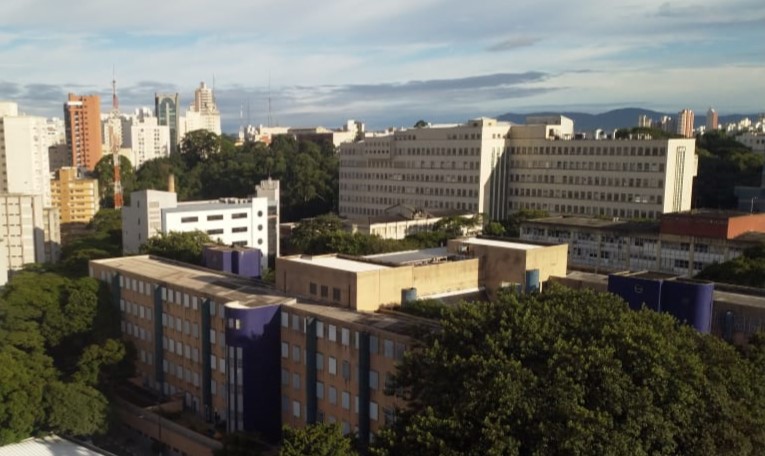
In Portland, Oregon, annual rainfall exceeds a staggering 37 inches (the US average is about 32). When it rains, excess storm water collects dirt, soil, and other pollutants and then drains into the main water system. In 2017 it was estimated that Portland has spent a cumulative $370 million on infrastructure, such as pipes and sewer separations, to tackle the problem.

Then in 2007, the government launched the Green Streets project. The city planted beds of shrubs and trees on sidewalks, absorbing the runoff and limiting the flow of water to the drainage system. It marked a new, mixed approach to tackling their problems with excess rainfall; employing the power of nature itself alongside traditional, “grey” infrastructure.

Green Streets is an example of a “Nature-based Solution” — a policy that preserves, rehabilitates, protects and sustainably manages natural habitats, species, and ecosystems that have been damaged by human activity for environmental and societal benefits.

Read the original article on Apolitic’s website here.


Last week at the Manchester Festival of Nature celebration event at Heaton Park, Manchester became the first UK City to sign up to the International CitiesWithNature portal, a Global network aimed at sharing best practice approaches around Nature conservation.

CitiesWithNature is a partnership between ICLEI- Local Governments for Sustainability, IUCN (International Union for the Conservation of Nature) and The Nature Conservancy. These international organisations have access to a wealth of expertise from city administrations and subject specialists worldwide.

This is also an exciting opportunity to promote the good work already happening in Manchester to a fast-growing international audience.  One such example of this work is in West Gorton, where Manchester’s participation in the European-funded ‘Grow Green’ project will deliver a new community park with innovative water-retention features.

“Manchester takes it commitments to nature conservation seriously, and we want to shape our city accordingly with the best advice possible; CitiesWithNature will support us on our journey in making Manchester an even more nature-friendly city. It’s very appropriate that we make this statement after a month-long wildlife focussed campaign engaging with thousands of people through the City’s first Festival of Nature”.

– Cllr Angeliki Stogia


Spending at least 120 minutes a week in natural environments is associated with good health and wellbeing, according to a study published in Scientific Reports.


Mathew White and colleagues surveyed 19,806 adults in England on how much time they had spent over the past week in natural environments, such as fields and woodlands (but not including their own garden), and their self-reported health and wellbeing. They show that people who reported spending 120 minutes or more in nature were more likely to report good health or high levels of wellbeing.

The authors found this association was independent of the size of the available green space in their local neighbourhood. The relationship was also seen in participants of all ages, including those with long-term health issues, which may suggest that the findings were not simply due to healthier people visiting nature more often. It did not matter if the 120 minutes were spent in nature on one occasion or several shorter visits throughout the week, the authors report. Spending under 120 minutes a week in nature was not associated with improved wellbeing, while spending between 200–300 minutes in natural environments showed no additional benefit.

The authors conclude that, although preliminary, the findings represent an important starting point for discussions around providing simple, evidence-based recommendations about the amount of time spent in natural settings that could result in meaningful promotion of health and wellbeing.

Original post here.

In celebration of International Day for Biological Diversity, CitiesWithNature – a global knowledge sharing platform launched by ICLEI, IUCN and The Nature Conservancy – has a new tool to help integrate nature into cities. The Nature Pathway on CitiesWithNature is a collection of guidance, tools and inspirational examples that help local and regional governments to share their work on nature and learn about best practices and tools.

The Nature Pathway guides cities on a journey of exploration and inspiration, where they can share with and learn from other cities. Along this journey, cities can show their commitments and ambitions towards incorporating nature’s benefits and nature-based solutions into city policy, planning and decision-making processes and implementation.

The CitiesWithNature online platform has been endorsed by the Secretariat of the Convention on Biological Diversity (SCBD) as the official mechanism to coordinate local and subnational ambitions and commitments towards global efforts in halting biodiversity loss and protecting our natural world.

Local leaders are already stepping up. Ashok Sridharan, Mayor of Bonn, Germany, and President of ICLEI is encouraging local leaders to join the movement: “The scientific evidence on the biodiversity crisis is alarming  and taking action is an imperative. Local and regional governments understand best how biodiversity in our cities protects lives and livelihoods. They can and should play a major role in protecting and restoring our natural world. The CitiesWithNature platform provides the strongest way forward for cities to change our current trajectory, and that‘s why I’m asking my fellow city leaders to join the city of Bonn in becoming a part of CitiesWithNature.”

The Nature Pathway is based on an ICLEI methodology with three main phases: Analyze, Act and Accelerate. Each of these phases is divided into steps and each step is accompanied by a rich collection of information including guidance, tools, ideas and examples.

Cities can learn from the successes of peers and share their own work on nature through the platform, adding to a growing body of examples, tools and data on how cities are incorporating nature into their urban landscapes, plans and policies.

For example, step one asks cities to commit to and mobilize towards becoming a city with nature and offers resources on how to develop a strategy and action plan for nature in your city. The City of Melbourne has shared its ‘Nature in the City Strategy’ as an example of making a commitment to nature.

Every city has different challenges and priorities, and the diversity of the Nature Pathway can help all cities take the next step. Each city can meet its specific nature-based needs, but can also contribute to a global movement of by sharing experiences and tools that assist other cities in achieving their goals.

City residents can keep up with what their city is doing and sharing by viewing their city’s profile on CitiesWithNature, which is a summary of a city’s commitment and work in this area, and a celebration of their natural assets.”

Through this journey, cities can contribute to global goals such as the objectives of the Convention on Biological Diversity’s Strategic Plan for Biodiversity (2011-2020), the Aichi Biodiversity Targets and the Sustainable Development Goals.

The CitiesWithNature Registry and Nature Pathway have been produced as part of the INTERACT-Bio project. This project is supported by the German Federal Ministry for the Environment, Nature Conservation and Nuclear Safety (BMU) through the International Climate Initiative (IKI).

Original article here: https://iclei.org/en/media/new-free-tool-helps-cities-mainstream-nature-into-urban-planning