Why nature belongs in the housing conversation this World Habitat Day

The theme for World Habitat Day this year is “adequate housing for all”. The numbers behind the theme are stark: more than three billion people lack access to adequate housing, over 1.1 billion live in informal settlements, and hundreds of millions experience homelessness. Conflict, disaster and climate change are deepening the crisis, and the people living in the most precarious settlements are hit hardest and recover slowest. The response to a crisis of this scale is often: build more, build faster, build cheaper. But this is only part of the solution.

Adequacy is about the neighborhood, not just the dwelling

Delivering adequate housing depends on how we plan and manage our cities: recognizing the social, economic and ecological functions of land, and ensuring homes sit within well-serviced, liveable neighborhoods. Adequate housing should be environmentally sustainable, climate resilient and culturally appropriate.

Dwellings may be structurally sound and legally secure, and still fail the people living in them. A home that floods every rainy season because the wetland upstream was filled in is not adequate housing. A home that becomes dangerously hot each summer because the neighbourhood has no tree canopy and no permeable ground is not adequate housing. A settlement cut off from clean water because the catchment that supplies it has been degraded is not adequate housing.

Nature should not be seen as additional or decorative to the hard infrastructure. It is infrastructure, and in many cases the cheapest, most durable infrastructure a city can invest in.

The scale of the housing backlog around the world has created pressure to release land quickly and build at the urban edge, where land is cheapest. That pressure, unmanaged, produces sprawl into many of the ecosystems that regulate water, temperature and disaster risk for the wider city.

The solutions require compact, well-located, well-serviced neighborhoods where ecological infrastructure is mapped and protected. Ideally this approach would be designed in from the start, but it could also be applied to informal settlement upgrading; because often, restoring the stream a settlement sits beside, creating safe usable public open space, and reducing flood exposure can improve lives far beyond the structures themselves.
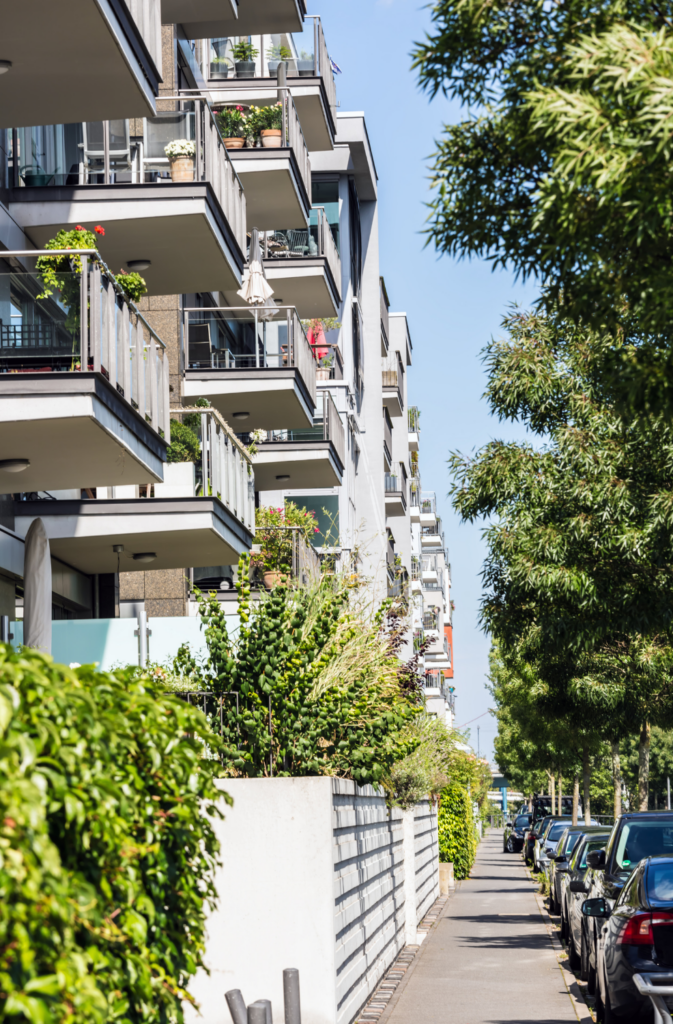
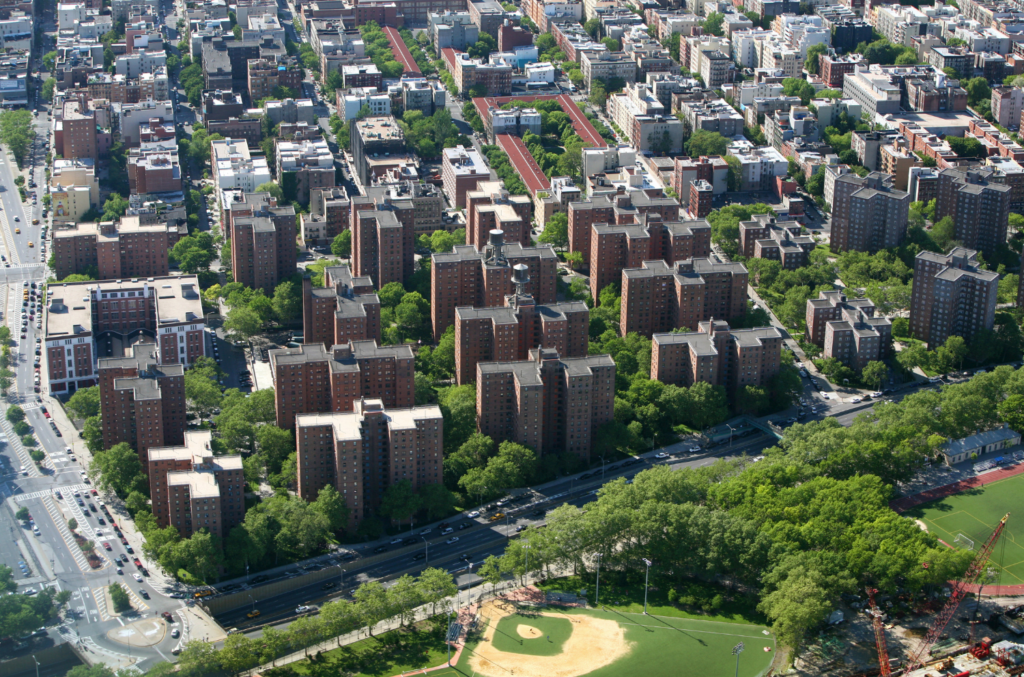
What nature delivers to residents

When cities and regions plan housing with nature rather than around it, residents gain:

1. Cooler neighborhoods

Tree canopy, green corridors and retained open space reduce urban heat, decreasing heat-related illness and lowering cooling costs for households least able to afford them.

2. Flood protection

Wetlands, riparian buffers, bioswales, permeable surfaces and restored rivers absorb stormwater that would otherwise enter homes. Protecting existing ecological infrastructure is almost always cheaper than engineering a replacement.

3. Cleaner air and water

Healthy catchments and vegetated buffers improve the quality of what residents breathe and drink, easing pressure on treatment and health systems.

4. Better physical and mental health

Access to green and blue space is associated with improved wellbeing, lower stress, more physical activity and stronger social connection — benefits that matter most in dense, low-income neighborhoods where private outdoor space is scarce.

5. Food and livelihood security

Urban agriculture, community gardens and productive landscapes supplement household income and nutrition.

6. Places people want to stay

Neighborhoods with functioning green space build the social cohesion and sense of belonging that turn housing stock into communities.

There is a common misconception that integrating nature into urban planning affects building costs.  But housing built on floodplains, stripped of shade and disconnected from functioning ecosystems generates long-term costs in damage, health, maintenance and corrective retrofittings that fall on residents and municipalities.

The solution requires multilevel governance

Many of the ecosystems that make housing liveable span over municipal boundaries. Catchments, wetlands, corridors and agricultural land sit across city, regional and national jurisdictions. Housing policy is often set nationally; land use is decided locally; the landscapes in between are regional. That is why local and subnational governments are indispensable to delivering on Adequate Housing for All and need to collaborate and align with national planning.

How CitiesWithNature and RegionsWithNature support this work

CitiesWithNature and RegionsWithNature exist to help local and subnational governments value nature, act for it, and have that action count.

Cities and regions that join the initiative can:

Follow the Nature Pathway, a step-by-step guide to mainstreaming nature into local policy, planning and decision-making, including spatial and housing planning.

Use the Action Platform to make voluntary commitments, record actions and track progress against the Kunming-Montreal Global Biodiversity Framework.

Draw on the Tools & Resources Hub for practical guidance on nature-based solutions, ecosystem restoration and biodiversity conservation.

Learn from peers facing the same pressures, at similar scales, with similar budgets.

This World Habitat Day, and as Urban October commences, we invite cities and regions to commit to housing that is adequate in full — safe, affordable, resilient, and embedded in living landscapes that keep people cool, dry, healthy and connected.