Local knowledge, lasting impact: Cities and traditional practices coming together in wetland management

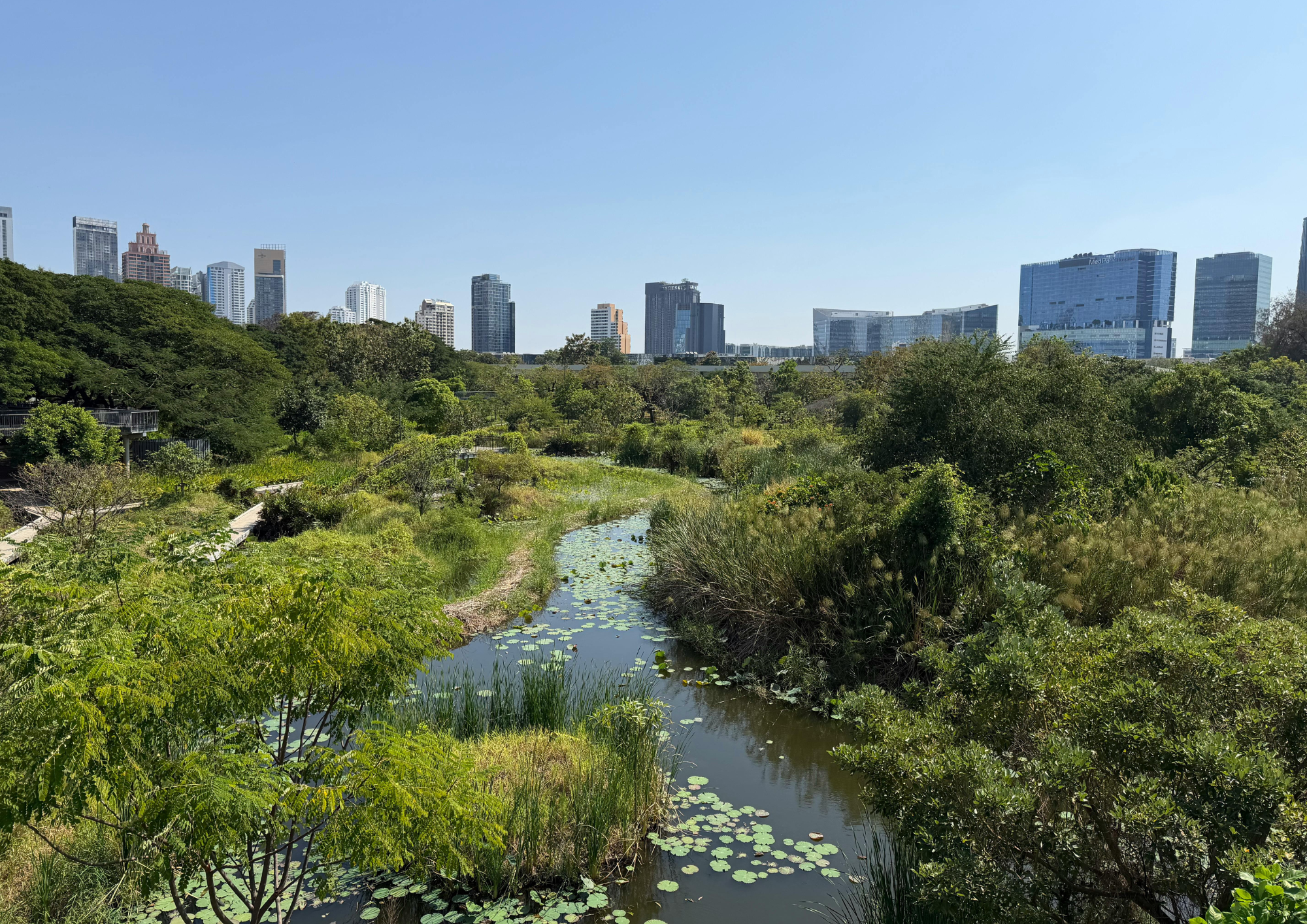
Nature provides diverse life-supporting and life-enhancing contributions to people. Nature’s contributions to people underpin human survival, well-being, and quality of life. As we join the world in observing World Wetlands Day 2026, around the theme of Wetlands and traditional knowledge – celebrating cultural heritage, we reflect on the important role that ecosystems like marshes, swamps, and estuaries play within the urban and peri-urban context.

The value of wetlands for our cities

The value of wetlands for cities is well documented and there are many practical guidance tools and examples of best practices from around the world. For example, wetlands provide:

  • Flood regulation: Wetlands absorb and store stormwater, reducing flood peaks and protecting urban infrastructure.
  • Water purification: Wetlands filter pollutants, nutrients, and sediments, improving water quality.
  • Climate regulation: Wetlands store carbon in soils and vegetation and cool surrounding areas through evapotranspiration.
  • Biodiversity support: Wetlands provide habitats for birds, fish, amphibians, and pollinators, including migratory species.
  • Groundwater recharge: Wetlands allow water to infiltrate and replenish aquifers.
  • Coastal and riverbank protection: Wetlands reduce erosion and buffer storm surges in coastal and riparian cities.
  • Human well-being: Wetlands offer recreational, educational, and cultural benefits, enhancing mental and physical health.
Use the search bar to find wetland resources

Threats to wetlands

Notwithstanding their contributions to people, wetlands are considered one of the most endangered habitats globally. The Global Wetlands Outlook, produced by the Scientific and Technical Review Panel (STRP) of the Convention on Wetlands, indicates that since 1970, approximately 22% of the global total hectares covered by wetlands have been lost, and about 25% of the remaining wetlands are in poor ecological condition. This trend is driven by several interacting pressures, including land use change due to agricultural expansion and urbanization, pollution, infrastructure development, and the impacts of climate change. Combined, these factors make wetland restoration more complex and urgent. The top three drivers of wetland loss and degradation are linked to cities through urban and industrial pollution, urban development, and infrastructure. 

According to the United Nations, 55% of the world’s population currently lives in urban areas, with this number projected to grow to 68% by 2050. Within this context of rapid urbanization, cities and nature are often seen as incompatible: either biodiversity suffers as cities grow, or city growth is constrained in an effort to protect nature. 

Considering nature’s contributions to human survival, well-being, and quality of life and that – according to the World Economic Forum – half of the world’s GDP relies on nature, we must change the narrative, and stop thinking that cities and nature cannot coexist. We need to reframe, reimagine and create cities along a nature positive development trajectory where cities are key contributors towards safeguarding and restoring biodiversity and ensuring equitable and sustainable use of natural assets. It is crucial that cities recognize wetlands’ contributions to urban resilience, infrastructure and to the well-being and quality of life of urban communities. Cities should prioritize mainstreaming wetland protection, restoration and sustainable use in their policies and decisions, and be encouraged to apply for accreditation under the Convention on Wetlands’ City Wetland Accreditation scheme.

The importance of stakeholder participation and indigenous knowledge in wetland management

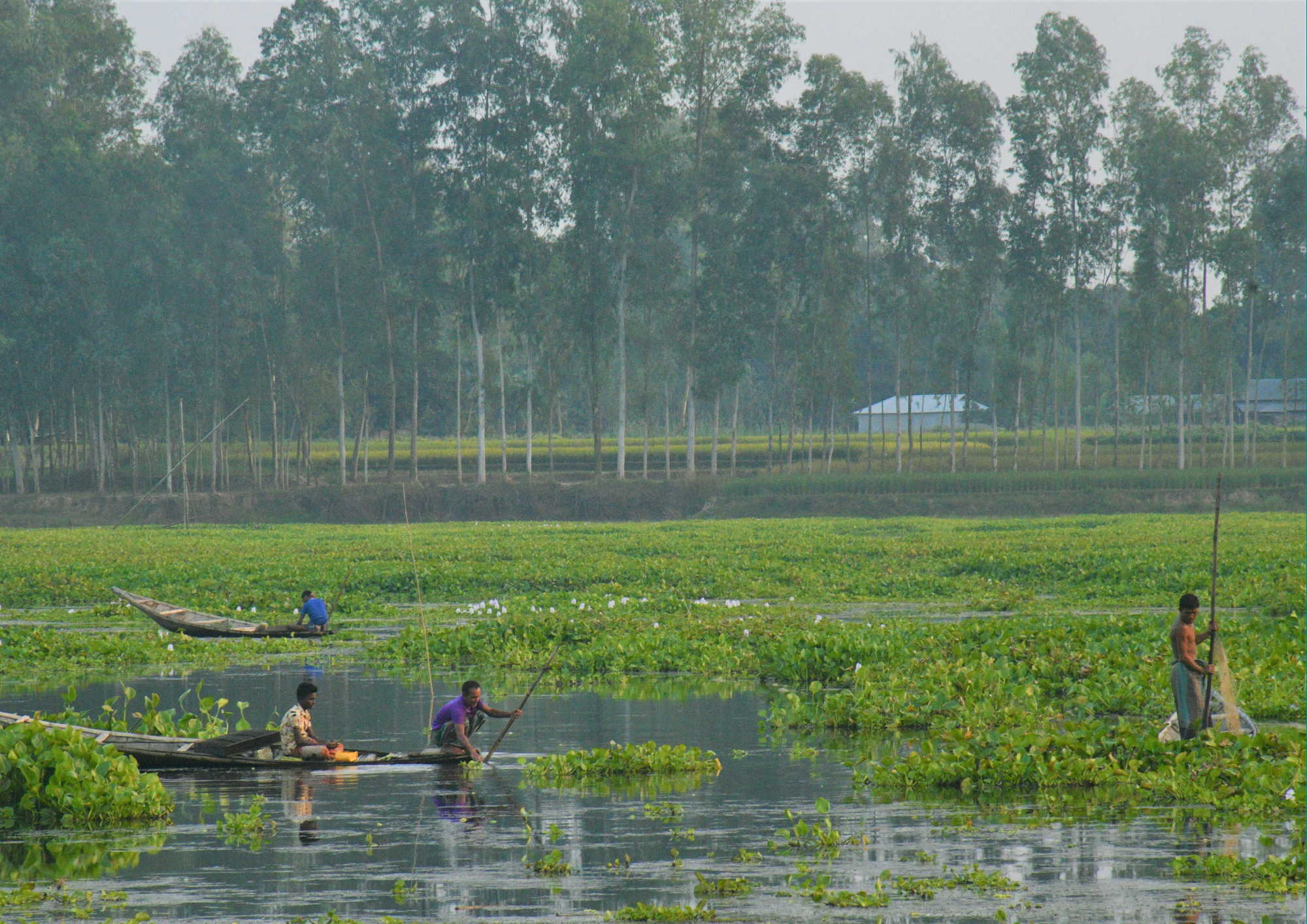
The 2026 theme for World Wetland’s Day focuses on linkages between wetlands, traditional knowledge and cultural heritage, acknowledging the important role that Indigenous Peoples, local communities and culture have played over centuries in protecting wetlands. Increasingly, Indigenous Peoples and Local Communities (IPLCs) are being recognized as the true guardians of nature. Drawing from deep cultural ties and ancestral ecological knowledge, Indigenous stewardship provides critical frameworks for environmental management. Scientific evidence increasingly validates how these local practices actively fortify and enrich biodiversity.

Over the past two decades, IPLCs have become more politically empowered and often play a substantial role in negotiating complex co-management agreements. The Ramsar Convention on Wetlands was the first multilateral environmental agreement to use the term “Indigenous Peoples” in official documents and encouraged Parties to promote, recognize and strengthen the active participation of IPLCs. More recently, at CBD COP16, held in Cali in 2024, Parties adopted the establishment of  a dedicated subsidiary body for Indigenous Peoples and Local Communities.

As cities continue to evolve, there is growing recognition of the importance of better integrating IPLCs’ perspectives into urban planning, especially as they now increasingly live in urban areas. Nearly 60% of Panama’s Indigenous people live in Panama City, with a similar concentration found in Maracaibo, Venezuela. This trend extends across the region, where major hubs like La Paz (Bolivia), Santiago (Chile), San José (Costa Rica), and Fernheim (Paraguay) house up to 40% of their respective nations’ total urban Indigenous residents. This trend highlights a global opportunity to bring traditional knowledge more systematically into urban environmental policy, advancing social equity and strengthening efforts to address climate change and biodiversity loss.

Wetlands, cities, IPLCs, and traditional ecological knowledge (TEK)

Today more and more cities and regions are aware of the benefits of protecting biodiversity, while also driving economic prosperity. This is achieved through sustainable livelihoods and urban development models focusing on reimagining and creating urban settlements that coexist with nature and include perspectives from IPLCs.

For example, in Kabin Buri, along the Bang Pakong River in Thailand, a group of stakeholders are developing a management plan for the site that promotes Ramsar’s “wise use of wetlands” concept, benefiting both local communities and biodiversity. Drawing from traditional practices, the management plan promotes the Na Kha Wang rice system, which combines rice paddies and natural aquaculture.

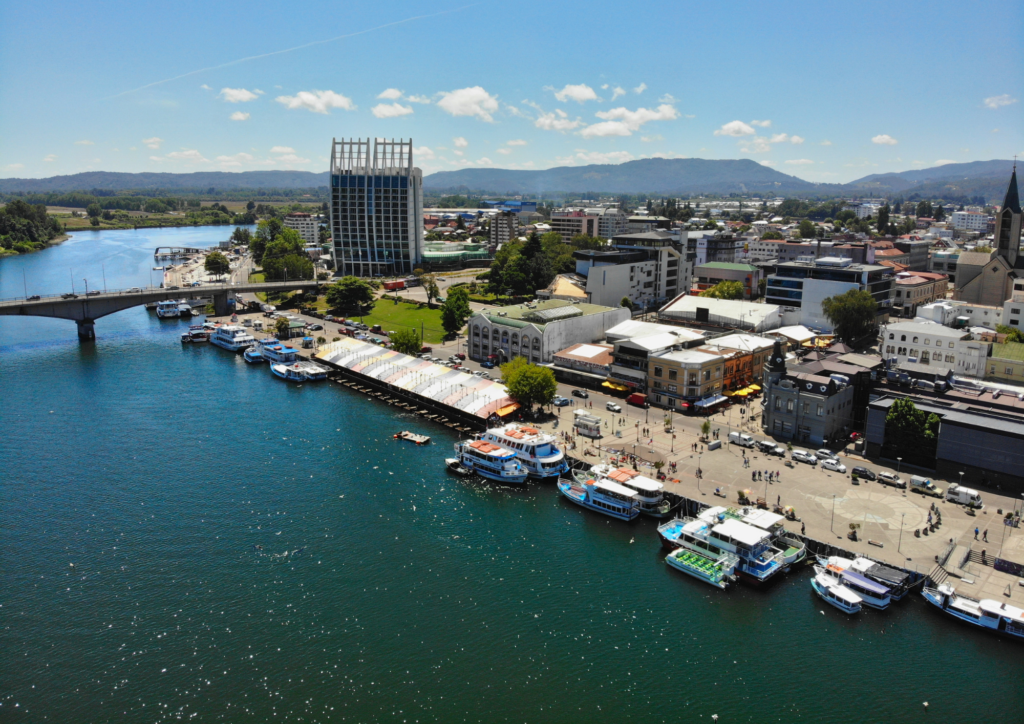
As the first recipient of the Wetland City Accreditation in Latin America, Valdivia, Chile, serves as a premier model for urban wetland management. Its institutional framework demonstrates that environmental protection can simultaneously drive employment and food security. This achievement is inseparable from the city’s history of local and Indigenous activism, where IPLCs have served as frontline defenders of the ecosystem for decades.

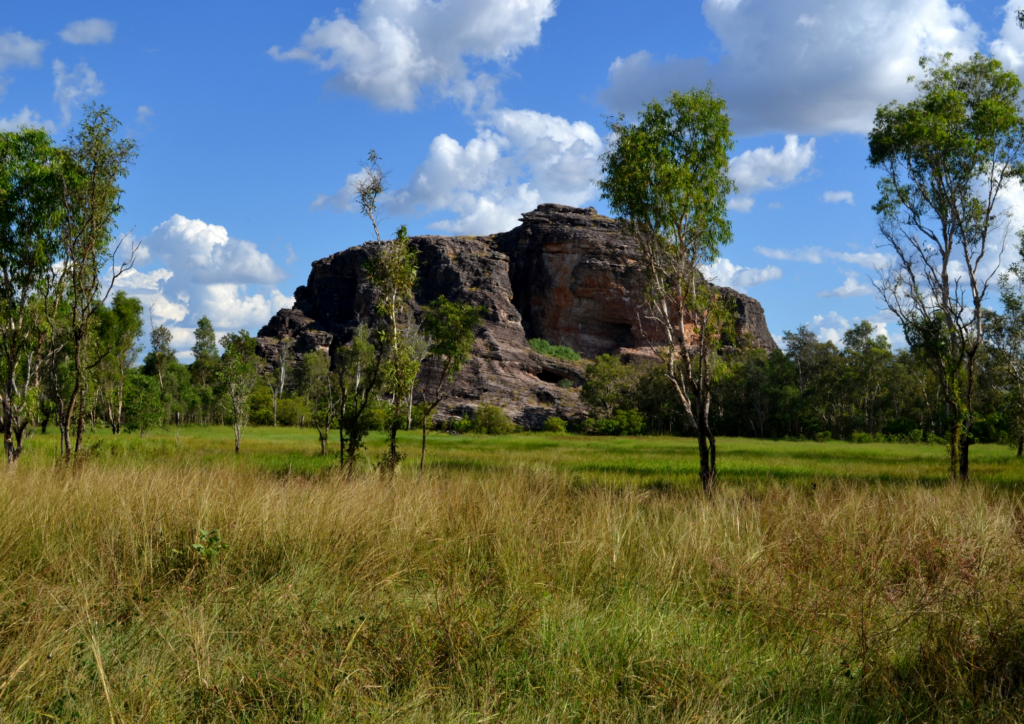
Research work undertaken at Jabiru, Australia (Kakadu National Park) focuses on understanding indigenous values and priorities for wetlands to help guide management actions, such as weed management, showcasing collaboration in highly biodiverse areas. 

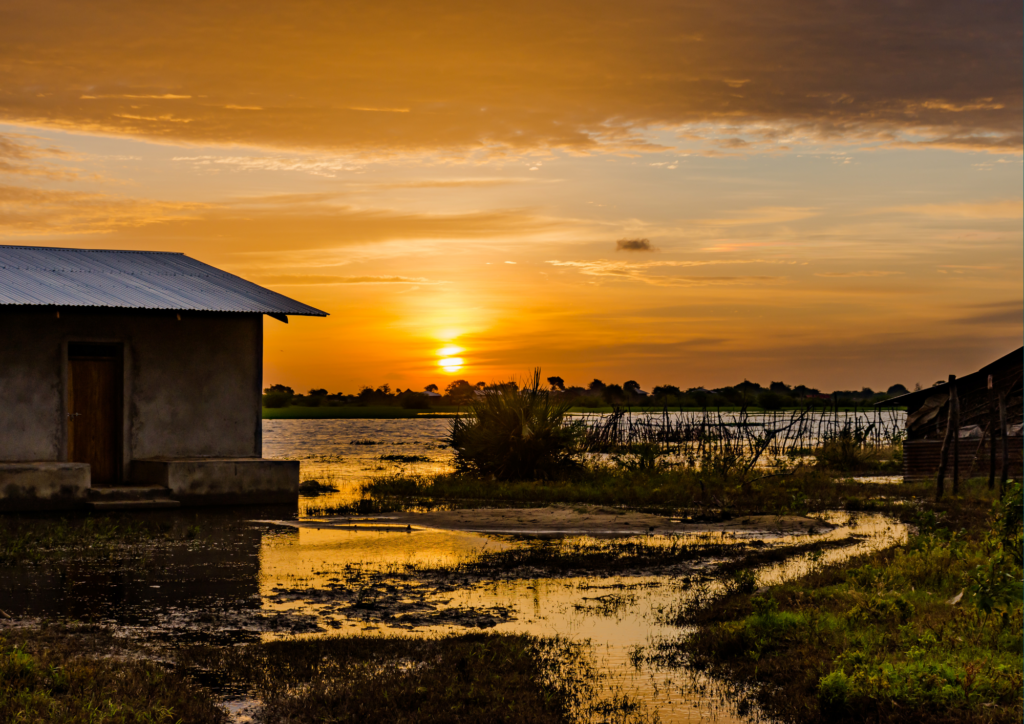
The Rights of Wetlands Project being implemented in Lamu, Galole, and Garsen, Kenya (Tana River Basin), actively involves IPLCs to understand how their beliefs, knowledge and practices align with the management of wetlands. This has stimulated great discussions on how ecosystem conservation and community rights can holistically fit together to deliver long-term benefits. 

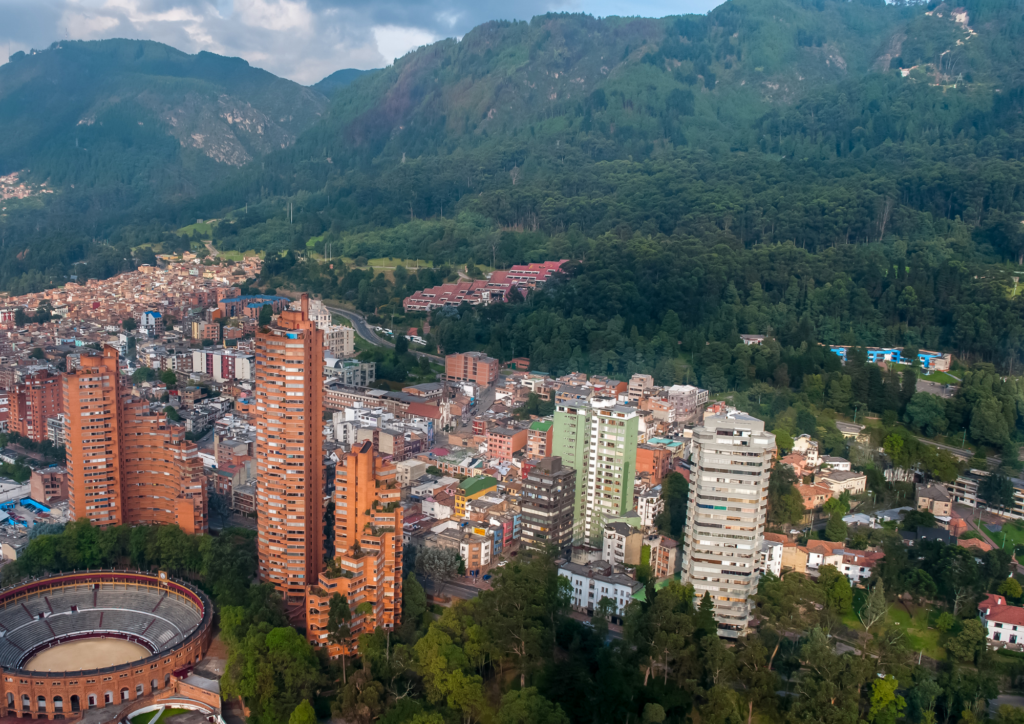
Bogotá, Colombia showcases a dual approach to Indigenous-led urban resilience. While the Mhuysqa Indigenous community of Bosa work to protect wetlands as sacred sites for their cultural memory and well-being, collaborative initiatives with Embera Indigenous communities are deploying ‘treatment wetlands’ (TWs) for wastewater management. By centering community participation, these projects ensure that urban infrastructure aligns with both ecological needs and Indigenous priorities

These examples highlight a growing movement toward collaborative wetland management, which is often more effective due to the deep ecological knowledge held by IPLCs. As we move forward in the implementation of community-based projects, it is important to stress that not all biodiversity initiatives engaging IPLCs are successful given the lack of clarity of the policies designed at the central level or the neglect of local interests. Research demonstrates that project success is directly linked to the active involvement of IPLCs in co-design, the formal recognition of customary institutions, and a balanced approach that secures both immediate community benefits and long-term support for ecosystem maintenance.

In honor of World Wetlands Day, let’s support the vision of IPLCs, learn from their stewardship experiences, and amplify their leadership. Sustainable wetland management is a shared victory, but it requires harmonious partnership between citizens, government officials, enterprises, NGOs, and many others, working together to combine indigenous knowledge with scientific evidence. When we empower local stewards, we protect global biodiversity and create stable economic opportunities.

As cities, regions and urban areas continue to grow, these lessons and new opportunities will hopefully allow for wetlands to be valued for their unique life-supporting functions and services; and more importantly, expand the network of actors, solutions, and connections that form our urban wetlands tapestry.